The pharmaceutical industry is at a historic turning point. For decades, the process of developing a new drug followed the so-called "Eroom's Law"—the inverse of Moore's Law—where research and development became increasingly expensive and less efficient over time. Today, the advent of Artificial Intelligence (AI) promises to reverse this trend, transforming biology from a science of trial and error into a science of predictable engineering.
From the Bench to the Algorithm
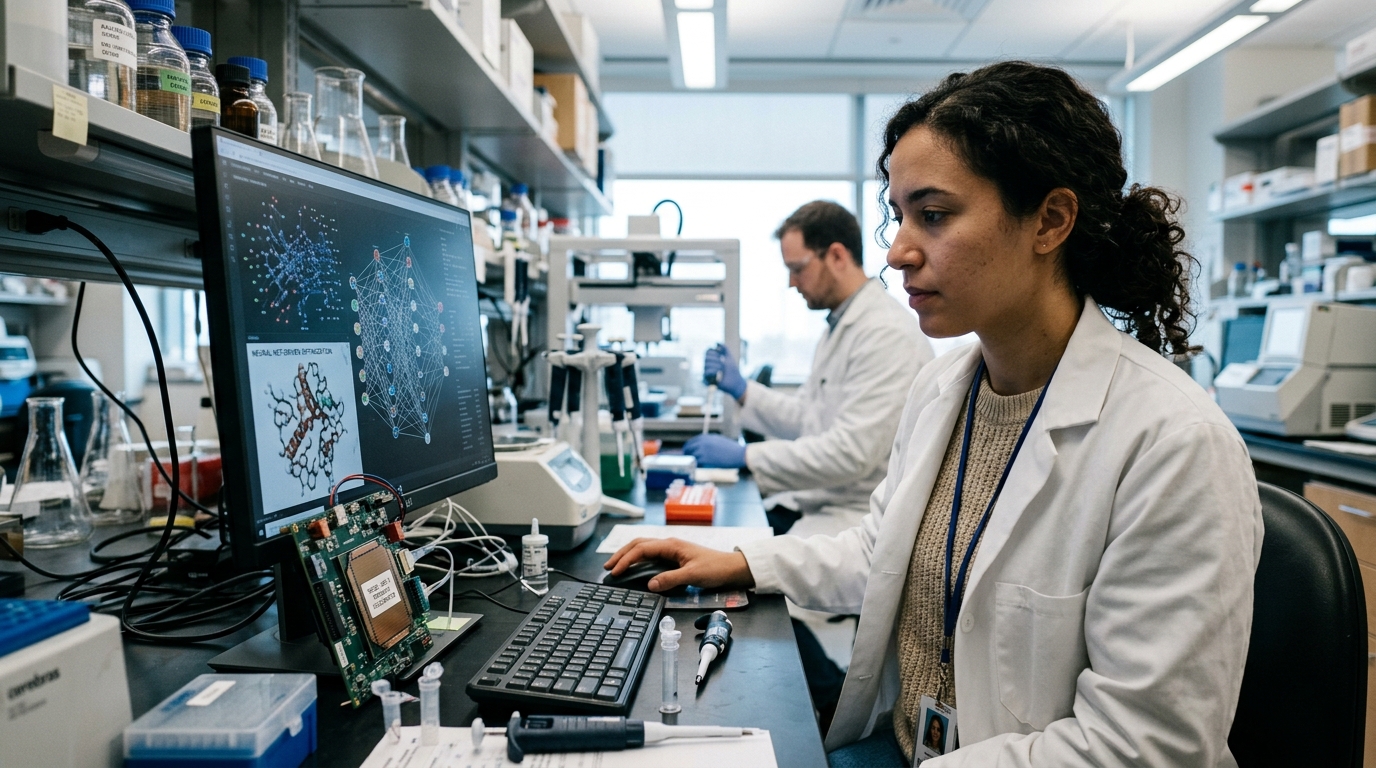
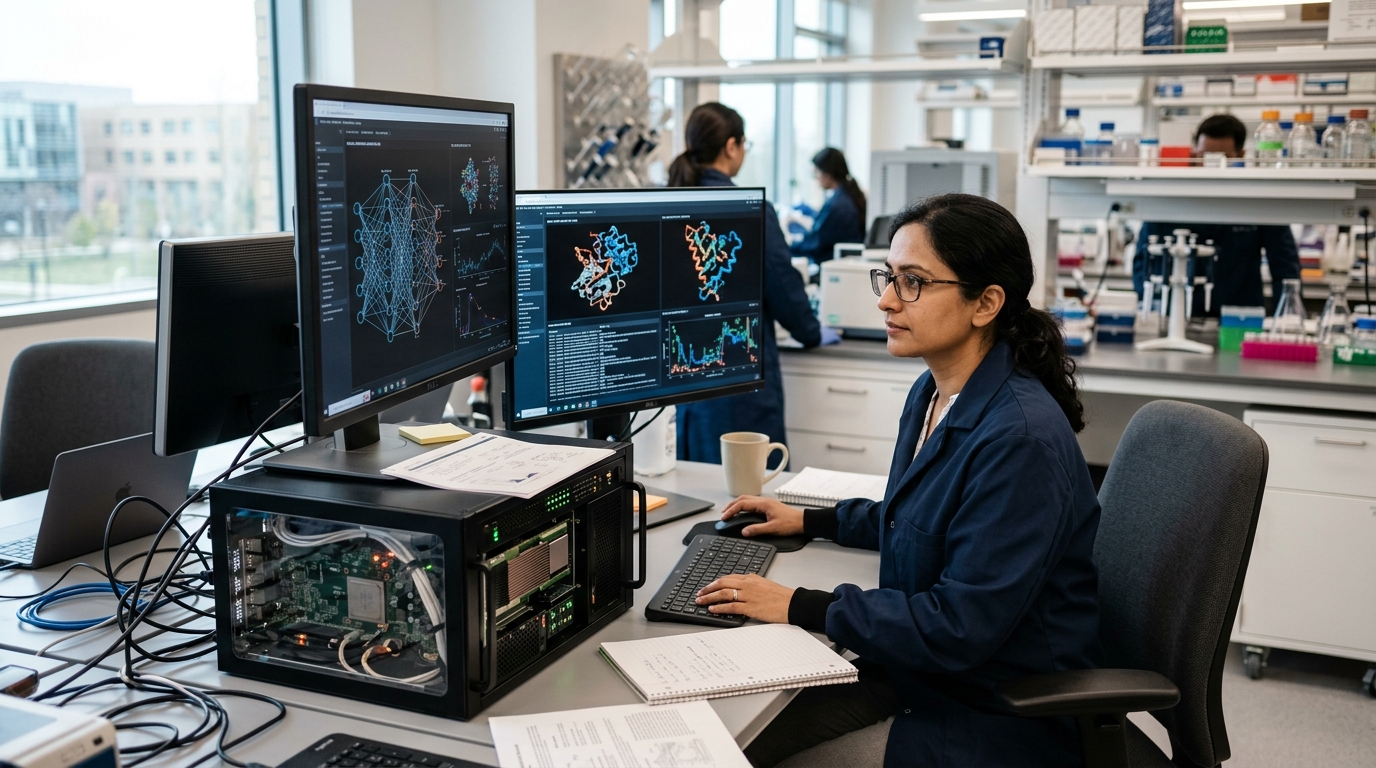
Traditional drug discovery is an arduous process that can take over a decade and cost upwards of $2.5 billion per approved drug. AI, however, is changing the rules of the game. Using deep learning models and Generative AI, scientists can now screen billions of chemical compounds in a matter of weeks—a process that previously required years of laboratory testing.
"We are not just improving an existing process; we are redesigning the fundamental architecture of medical innovation," industry analysts state.
The use of models like Google DeepMind's AlphaFold has already solved the protein-folding problem, a 50-year-old mystery that was a major bottleneck in understanding diseases. This breakthrough allows researchers to design "smart" molecules that fit with key-like precision into specific biological targets, minimizing side effects and increasing the success rates of clinical trials.
The Alliance of Big Pharma and Big Tech
The AI drug discovery market is no longer a niche sector for startups. Tech giants like NVIDIA and Microsoft are working closely with pharmaceutical titans such as Pfizer, AstraZeneca, and Roche. NVIDIA, for instance, through its BioNeMo platform, provides the massive computational power required to train large-scale biological models.
This convergence is creating a new ecosystem where data is the most valuable currency. Pharmaceutical companies possess vast libraries of historical clinical trial data, while tech companies hold the algorithms to mine insights from it. The result is an explosion in partnerships: in 2025 alone, investments in AI-driven biotech firms surpassed all previous records, with the market expected to reach double-digit billion-dollar valuations by the end of the decade.
Challenges and Ethical Questions
Despite the optimism, the road ahead is not without obstacles. One of the primary issues is data quality. AI algorithms are only as good as the data they are trained on. If the data is incomplete or biased, the system's predictions will be flawed. Furthermore, there is the "black box" problem: it is often difficult to explain why an AI suggests a specific chemical structure, which causes skepticism among regulatory bodies like the FDA and EMA.
- Regulatory Compliance: Authorities must develop new frameworks for approving drugs designed entirely by AI.
- Intellectual Property: Who owns the patent for a drug discovered by an algorithm?
- Access and Cost: Will the reduction in production costs lead to cheaper drugs for patients or higher profit margins for corporations?
The Future: Personalized Medicine
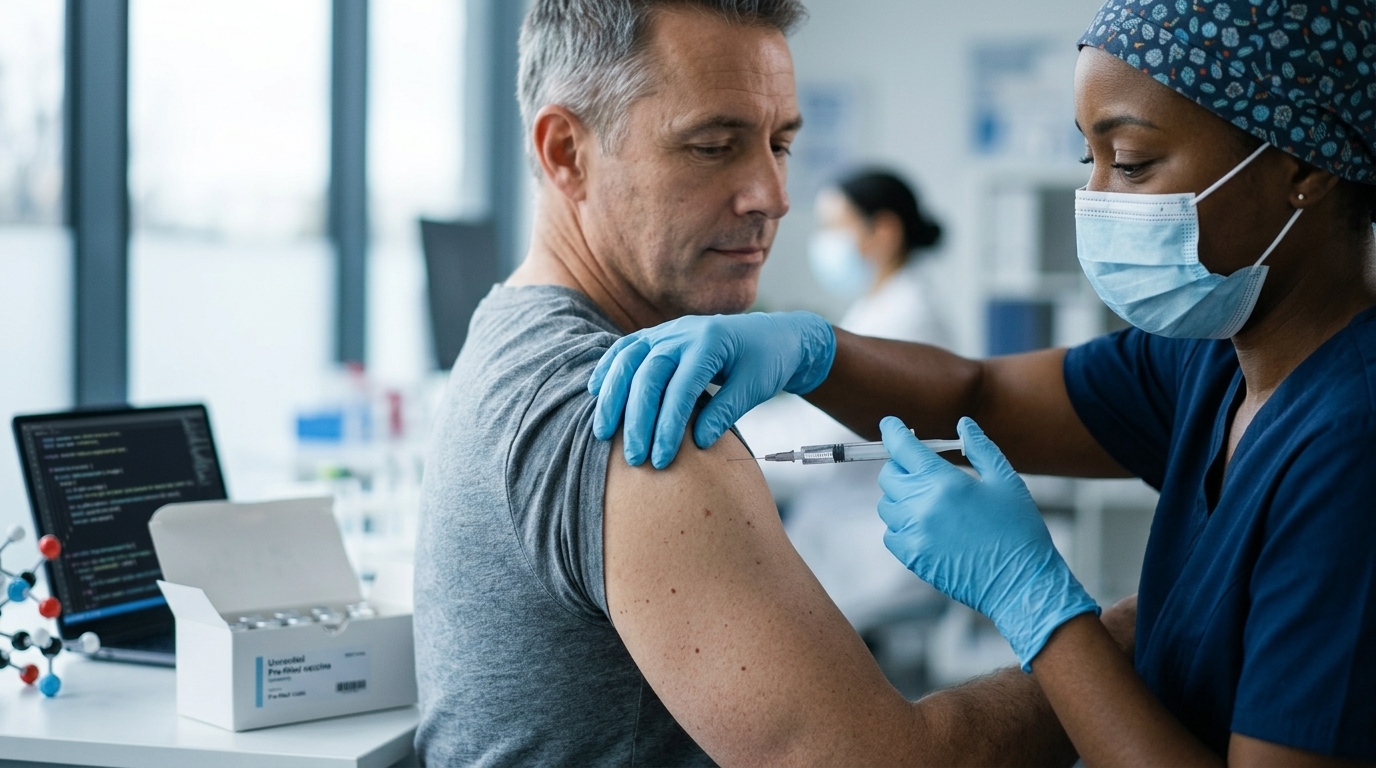
In the long run, AI in drug discovery will lead to true personalized medicine. Instead of "one-size-fits-all" drugs, we will be able to design treatments tailored to an individual patient's genetic profile. The speed at which mRNA vaccines were developed during the pandemic was just the beginning. With AI, responses to future health crises will be nearly instantaneous, and diseases currently considered incurable, such as certain cancers or Alzheimer's, may soon meet their "digital" match.