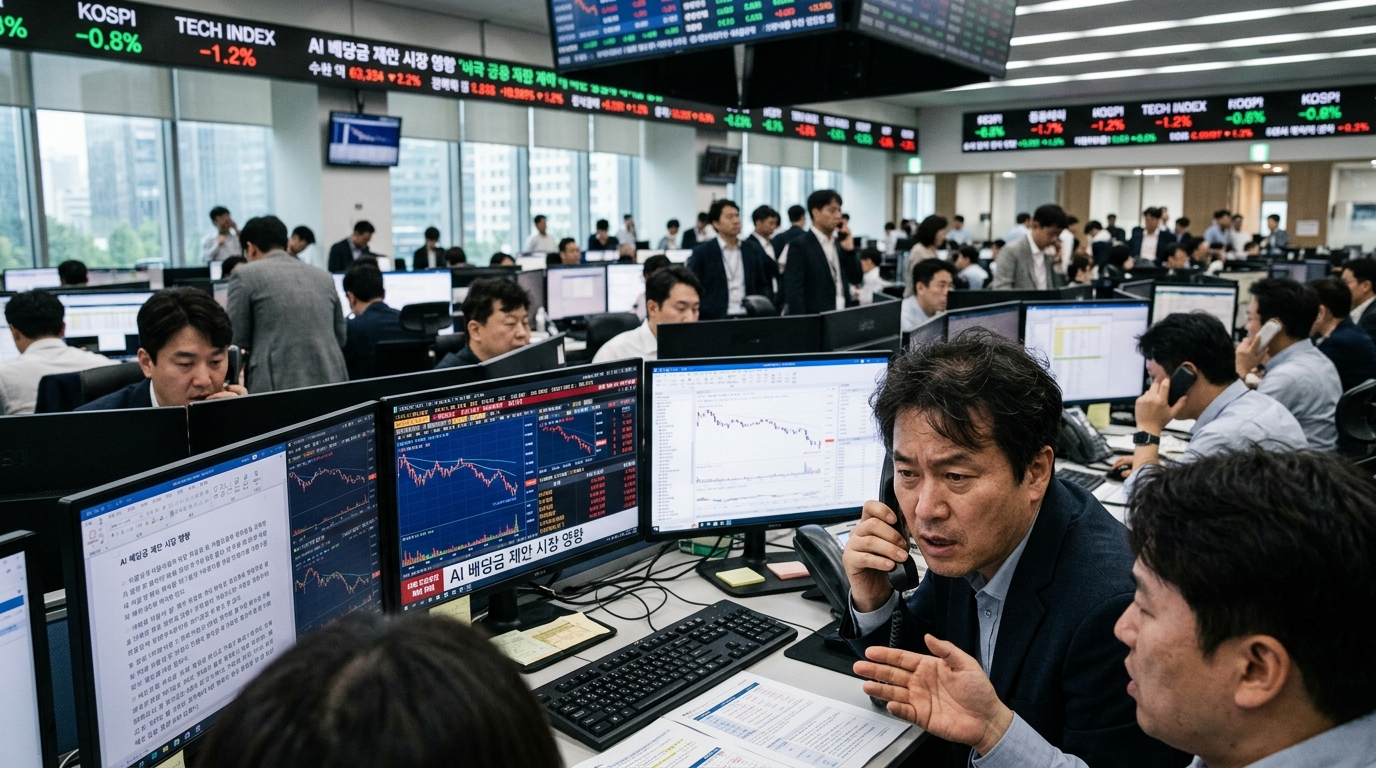
South Korea, a nation that historically serves as a global testbed for technological shifts, is currently at the heart of a debate that could redefine the social contract for the digital era. According to recent Bloomberg Tech reports, South Korean policymakers have floated a radical proposal: the establishment of an "AI Dividend." This system would tax profits derived from automation and artificial intelligence, redistributing the proceeds directly to citizens as a form of Universal Basic Income (UBI).
The Collision of Tradition and Innovation in Seoul
This proposal did not emerge in a vacuum. South Korea faces a unique set of demographic and economic challenges, including the world’s lowest birth rate and one of the highest rates of industrial robot density. The fear that AI will displace the workforce faster than social structures can adapt has prompted the opposition Democratic Party to push for transformative solutions. The logic is straightforward yet provocative: if algorithms replace human labor, the surplus value they generate should not merely accumulate for shareholders of tech giants like Samsung and SK Hynix but should instead support the long-term viability of society.
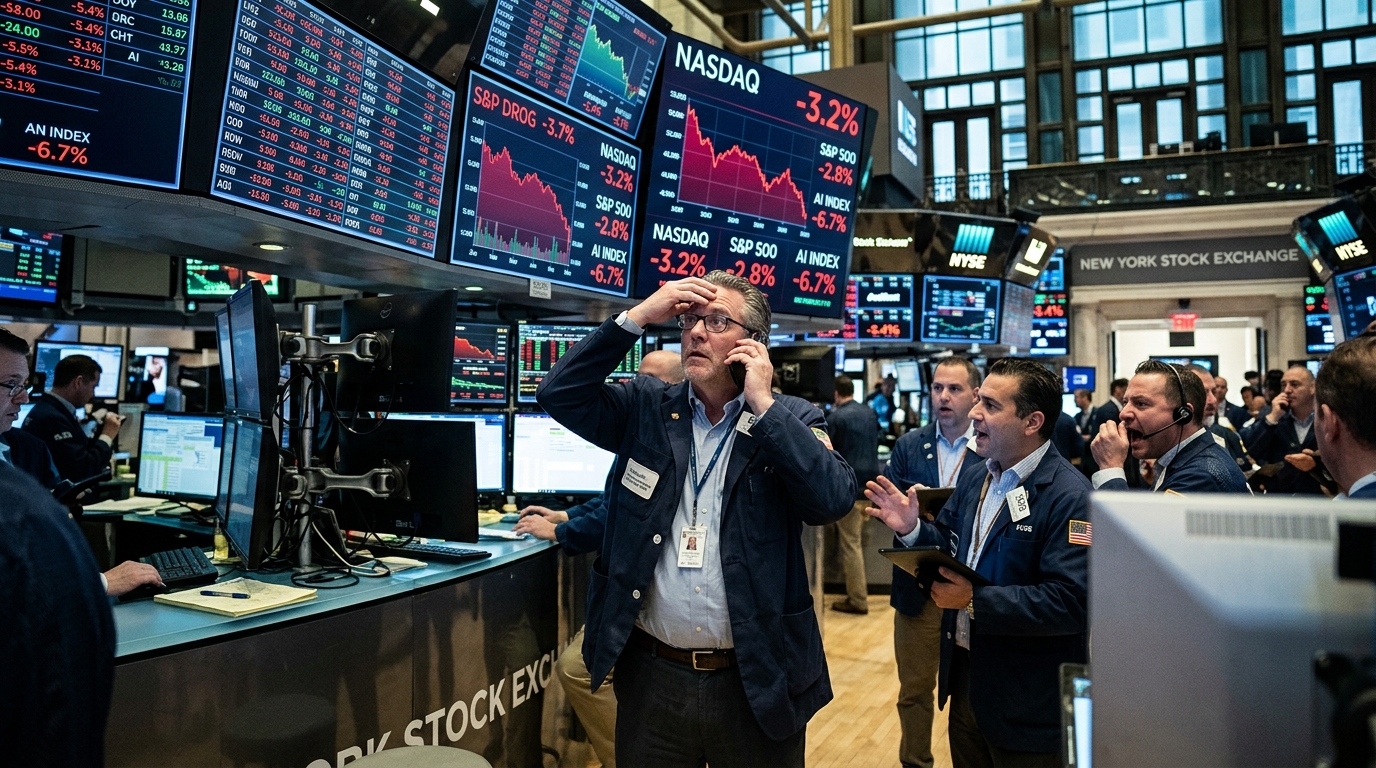
However, markets have reacted with significant skepticism. Analysts warn that such a tax could trigger capital flight and undermine Korea’s competitive edge in the global AI arms race. Seoul is attempting a delicate balancing act: maintaining its leadership in semiconductors while preventing a social crisis triggered by technological unemployment. The debate highlights a growing rift between those who view AI as a tool for corporate efficiency and those who see it as a public utility that must be shared.
CME Group and the Commoditization of Compute
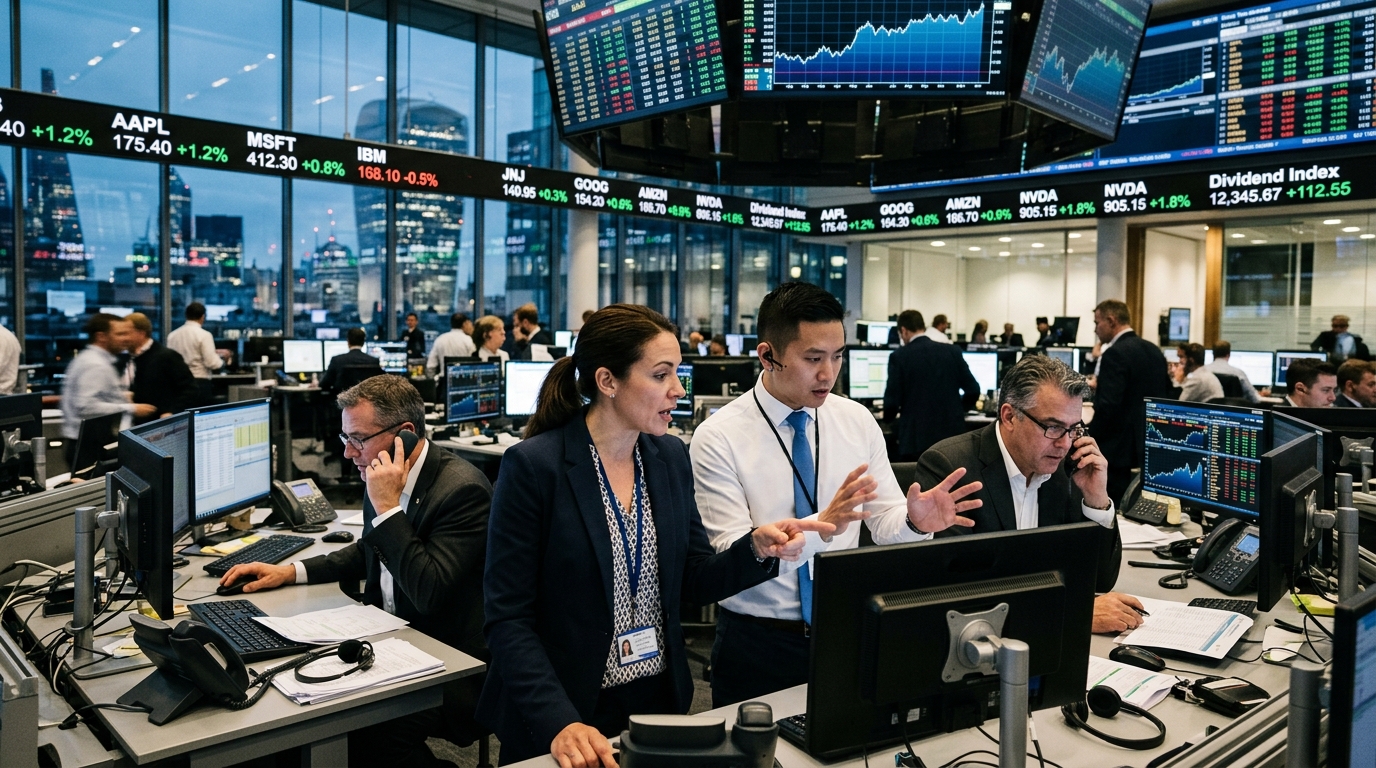
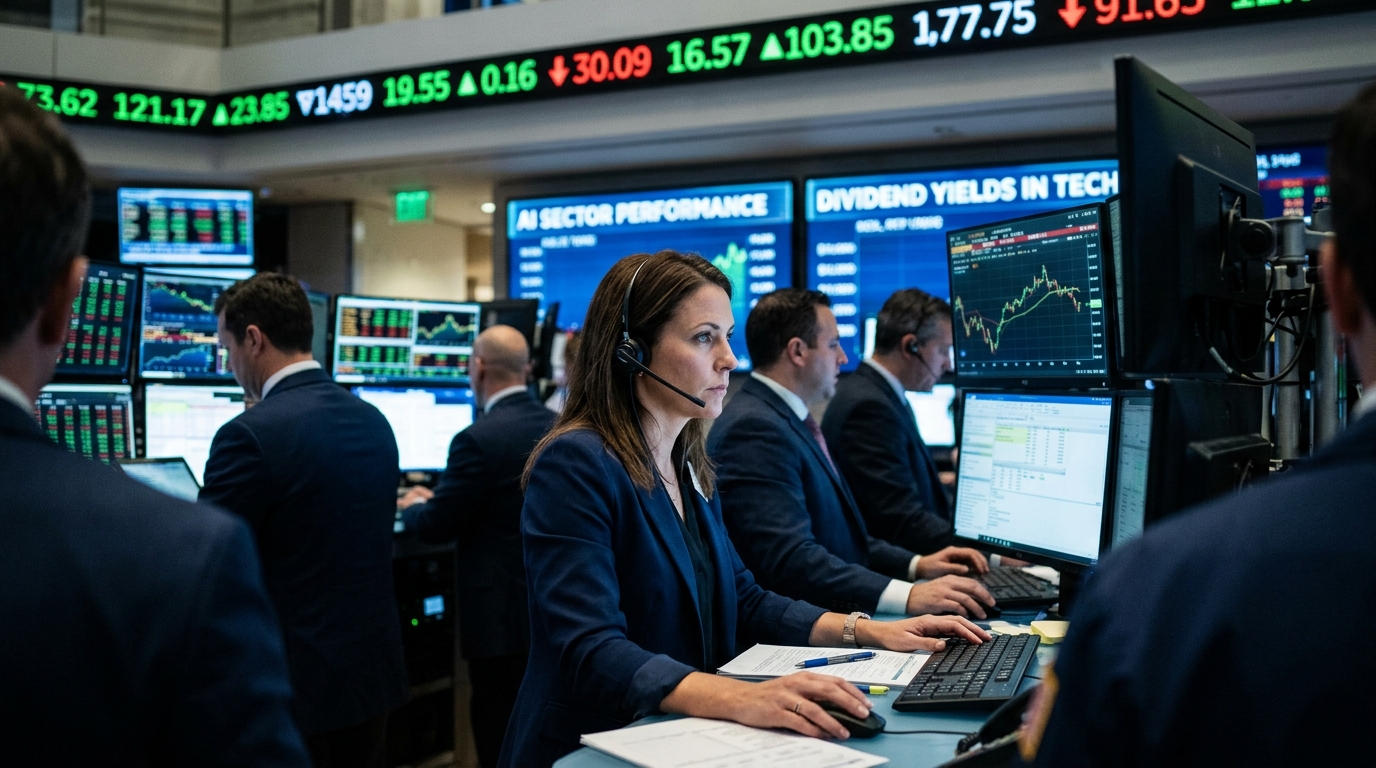
While Korea debates the redistribution of wealth, the West is busy turning computing power into a tradable commodity. CME Group, the world’s largest derivatives exchange, is planning to launch a futures market for computing power. This move marks a historic turning point: processing capacity is now being treated with the same financial rigor as oil, gold, or wheat.
The creation of "compute futures" will allow AI firms to hedge against the volatile costs of cloud infrastructure. Much like an airline purchases fuel futures to protect against price spikes, an AI startup training Large Language Models (LLMs) will be able to "lock in" GPU costs for the upcoming year. This financialization of AI underscores that compute is now the most vital resource in the global economy—the "new oil" of the 21st century.
Social and Geopolitical Implications
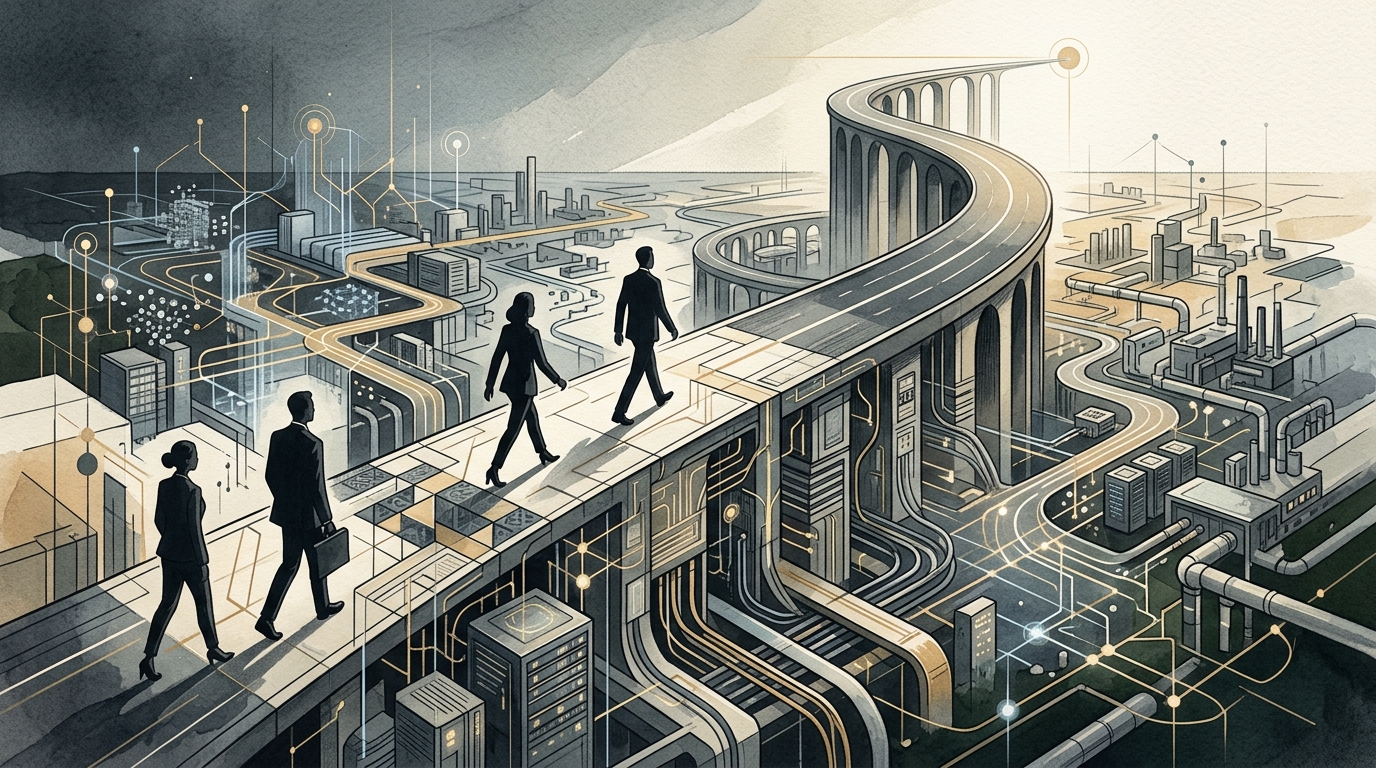
The convergence of these two stories—the Korean dividend and the CME’s futures market—reveals the dual nature of the AI revolution. On one side, we see extreme economic efficiency and the maturation of technology as a financial asset. On the other, we see the existential anxiety of nation-states regarding social cohesion in a world where traditional labor is increasingly devalued.
- Ethical Dilemma: Is it fair to tax innovation to fund what some might call social inertia?
- Economic Stability: Can an AI dividend function without triggering inflationary pressures?
- Global Competition: If Korea imposes this tax, will AI firms migrate to Singapore or the United States?
The South Korean experiment will be closely monitored by the European Union and the United States. If Seoul’s gamble pays off, it could herald the birth of a new economic model. If it fails, it will serve as a cautionary tale about the risks of premature regulation in an industry that is still in its infancy.
"Artificial intelligence is not just a technological upgrade; it is a redistribution of humanity's productive power," say analysts in Seoul. "The question is not if AI will be taxed, but when and how."
In conclusion, the AI dividend proposal and the CME's strategic move indicate that we are moving from a phase of speculative hype to one of institutionalization. AI is ceasing to be a mere tool and is becoming the foundational infrastructure of the economy, bringing with it a complex array of political and social responsibilities that the world is only beginning to grasp.