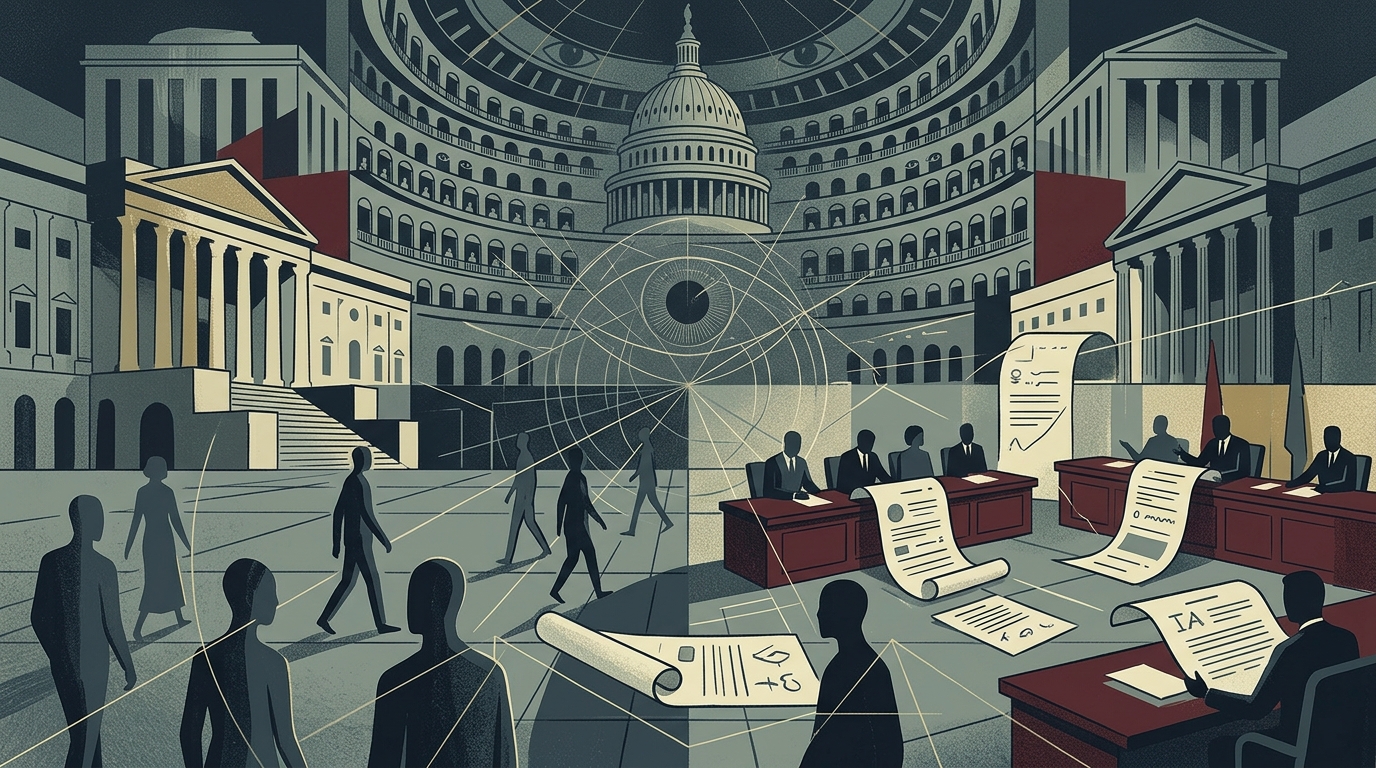
At the dawn of the era of AI Agents, Uber finds itself confronting a challenge that transcends simple computer science: the need for a robust digital identity for non-human entities. As the vision of autonomous assistants booking appointments, ordering food, and organizing travel becomes a reality, Uber is attempting to define the framework within which an AI Agent is recognized, authorized, and held accountable for its actions in the physical world.
The Shift from App-to-Human to Agent-to-Platform
For over a decade, Uber’s model has relied on direct interaction between a human and an application. The user opened their phone, selected a destination, and confirmed the charge. Today, this model is transforming. With the rise of Large Language Models (LLMs) and sophisticated AI Agents, the interaction is shifting. A human gives a general command—“organize my transport to the airport tomorrow morning”—and the AI Agent takes over to communicate with Uber’s API, compare prices, select the vehicle type, and complete the transaction.
The question Uber is posing, according to recent reports from StartupHub.ai, is this: How does the platform know that the "agent" requesting a ride actually has the permission of the account holder? The lack of an identity protocol for AI Agents creates security risks, potential for fraud, and legal loopholes in cases of cancellations or damages.
Technical Architecture and Cryptographic Verification
Uber’s approach to AI Agent identity isn't just about logging in with a password. It requires a new form of "digital passport" for software. The company is exploring the use of cryptographic proofs and delegated access protocols that allow users to grant specific permissions to their assistants. For example, a user could specify that their AI Agent has the right to spend up to $50 for a ride, but human approval is required for anything exceeding that amount.
- Delegated Authority: Using advanced forms of OAuth that allow AI entities to act within strictly defined boundaries.
- Behavioral Detection: Systems that distinguish whether an API call originates from a malicious botnet or a legitimate personal assistant.
- Transaction Transparency: Recording the AI’s decision-making chain so that in case of a dispute, there is proof of the command given.
Economic and Social Implications
Successfully solving the agent identity problem could unlock billions of dollars in new economic activity. If machines can transact securely, friction in daily services is dramatically reduced. However, this also raises serious questions about privacy. How much data about a user's habits does the AI Agent share with Uber during the negotiation of a price? Uber must balance convenience with data protection in an environment where the user is no longer the direct operator of the interface.
"We are not just building a connection for bots. We are building a system of trust where digital representation is as valid as physical presence," say sources close to the company's technical leadership.
Conclusion: Uber as a Regulator of the Agentic Economy
Uber’s move to seriously address Agent Identity shows that the company no longer sees itself merely as a transportation platform, but as a central hub in the upcoming "Agentic Economy." If it succeeds in imposing its own standards for how AI Agents identify themselves and pay, it could become the de facto regulator for how all on-demand services interact with AI in the future. The stakes are high: creating a world where our movements happen "magically" in the background, without sacrificing security and human control.