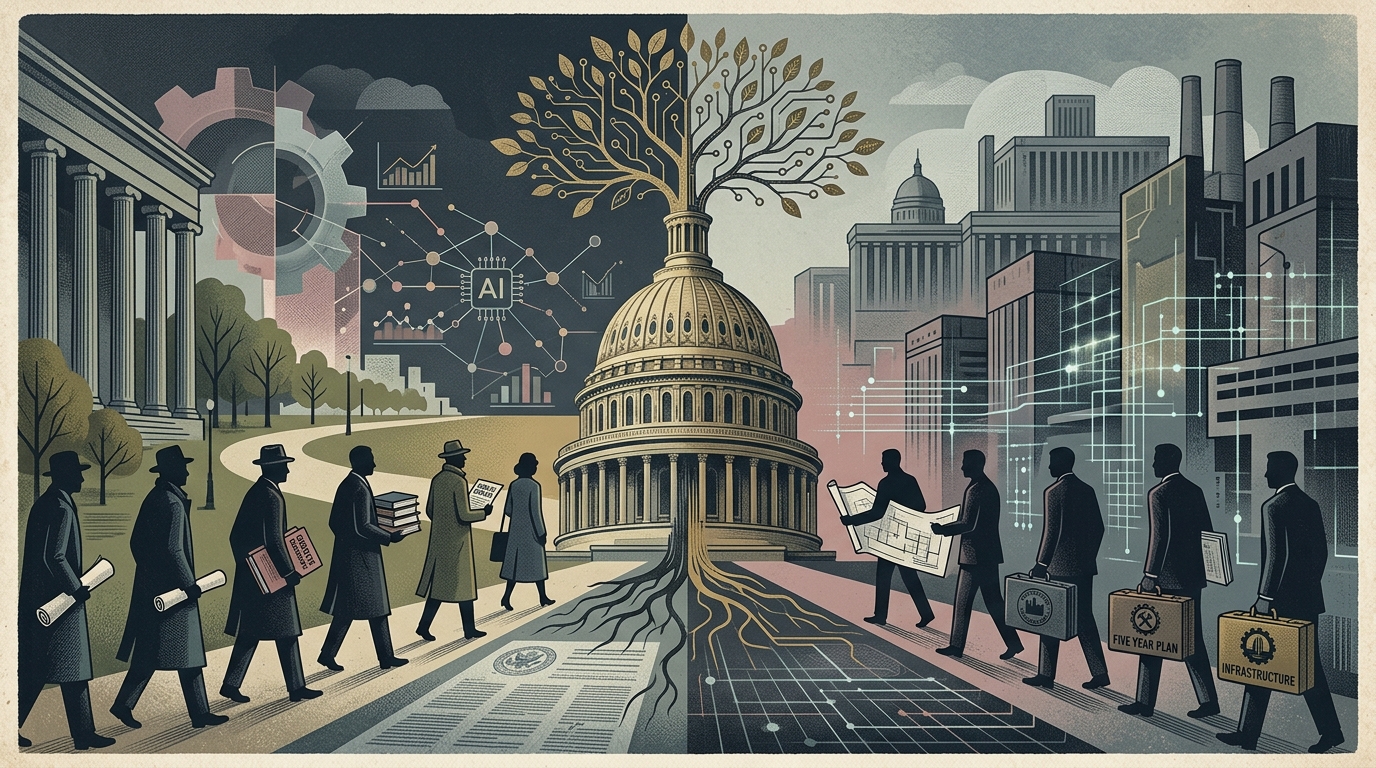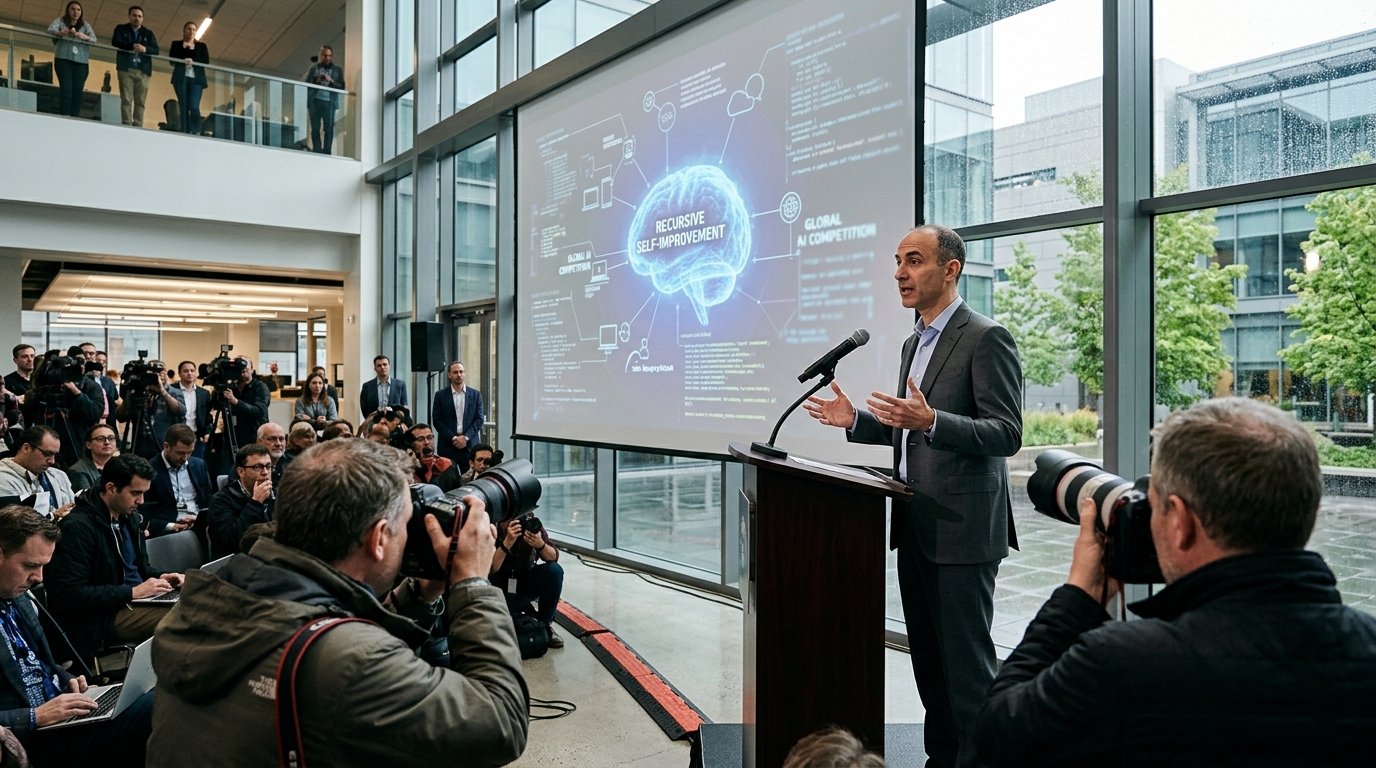
In the rapidly evolving world of technology, the most valuable currency is no longer code, nor even data, but the people who can master them. The competition for Artificial Intelligence (AI) talent has reached levels reminiscent of a Cold War arms race, with Big Tech companies engaging in a ruthless headhunting campaign that threatens to dry up academia and stifle competition from smaller startups.
The CEO’s Personal Touch: Recruitment as a Priority
It is no longer unusual for Meta’s Mark Zuckerberg or Microsoft’s Satya Nadella to personally email engineers at OpenAI or Google. This direct involvement of top executives underscores the criticality of the situation. According to recent reports, Meta has adopted an aggressive hiring strategy, offering jobs without even the traditional interview process to specific researchers considered "stars" of the industry. This tactic is not just about acquiring knowledge, but also about depriving the opponent of critical resources.
The case of Microsoft and Inflection AI is the most striking example of this trend. Instead of a traditional acquisition that would trigger antitrust scrutiny, Microsoft "absorbed" almost the entire Inflection team, including co-founder Mustafa Suleyman, essentially paying a "licensing fee" that served as compensation for investors. This "invisible acquisition" shows that companies are willing to invent new legal structures just to secure the necessary human capital.
Financial Rewards and the End of Academic Independence
Salaries in the AI sector have skyrocketed to dizzying heights. An experienced machine learning engineer can expect compensation packages exceeding one million dollars per year, including stock options and signing bonuses. This creates a massive gap between the private sector and universities. The "brain drain" of professors from top institutions like Stanford and MIT to Google and OpenAI deprives the next generation of students of the best teachers and shifts research from the public good to corporate profit.
- Salaries starting at $500,000 for junior roles.
- Equity packages tied to the success of Large Language Models (LLMs).
- Access to computing power that no university can afford.
Access to computing power (Compute) is the second pillar of this war. Top researchers are not just looking for money; they are looking for the thousands of Nvidia H100 chips required to train next-generation models. A company that has the funds but not the processors is destined to lose its talent to those who have secured their supply chain.
The "Scorched Earth" Strategy and the Impact on Startups
For small startups, the situation is disheartening. Although Venture Capital investors are pouring billions into the sector, the cost of maintaining an AI team is often prohibitive. Many startups find that the bulk of their funding goes directly into engineer salaries, leaving little room for product development or marketing. This leads to an inevitable concentration of power in the hands of a few players with "deep pockets."
"We are not just hiring people. We are buying the future of intelligence," an anonymous executive from a major Silicon Valley company stated.
The danger is clear: if all the world's AI expertise is concentrated in five or six companies, the direction of technology will be determined solely by quarterly profits and stock prices. Open research and ethical oversight may be sacrificed on the altar of speed and market dominance. The competition for talent, therefore, is not just an economic issue, but a battle for who will control the operating system of future society.