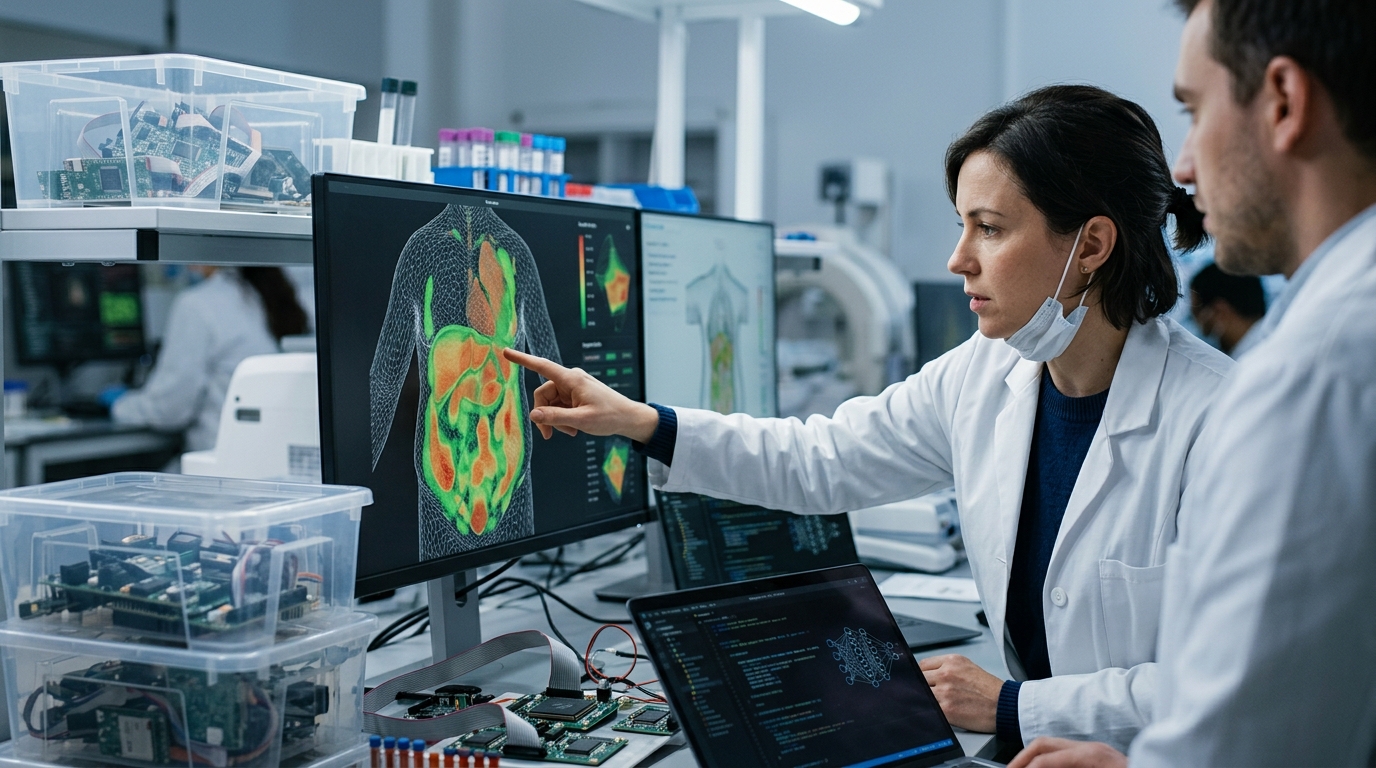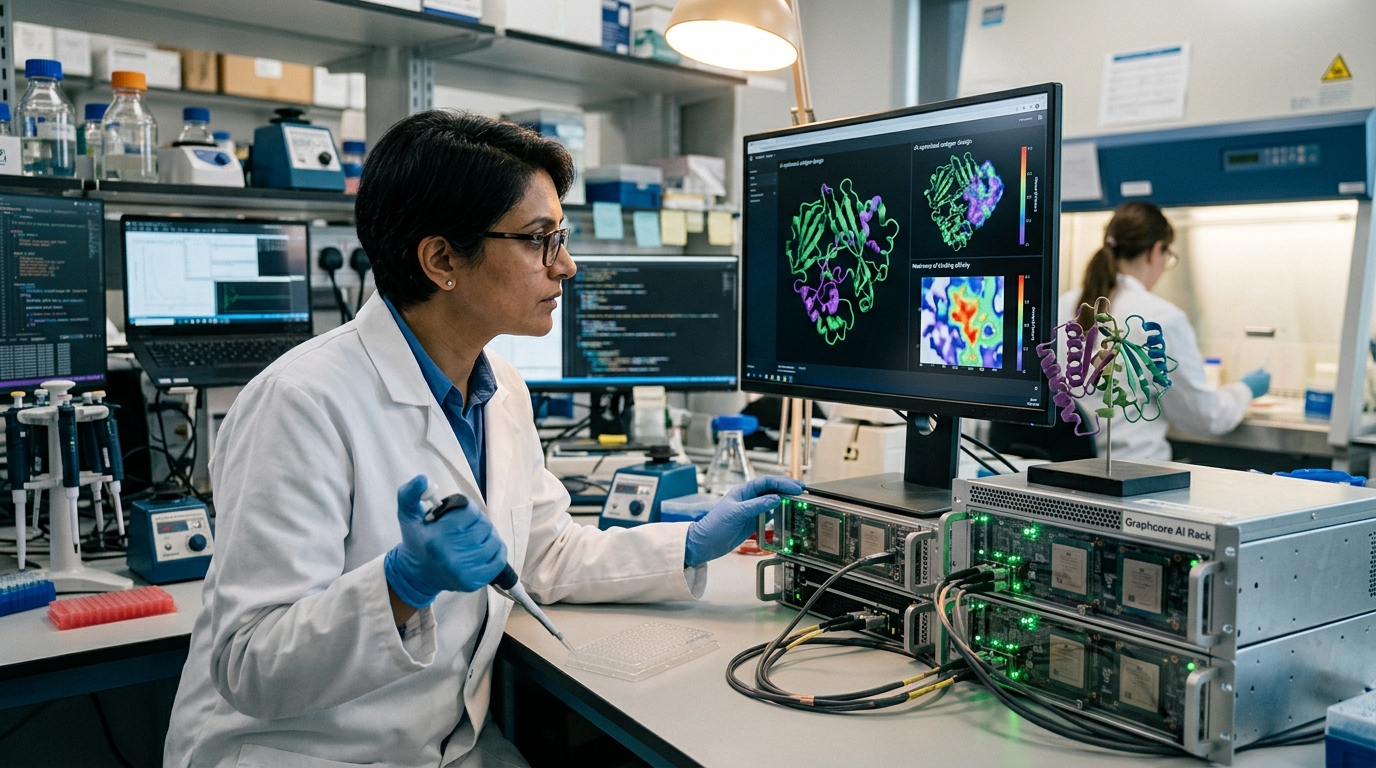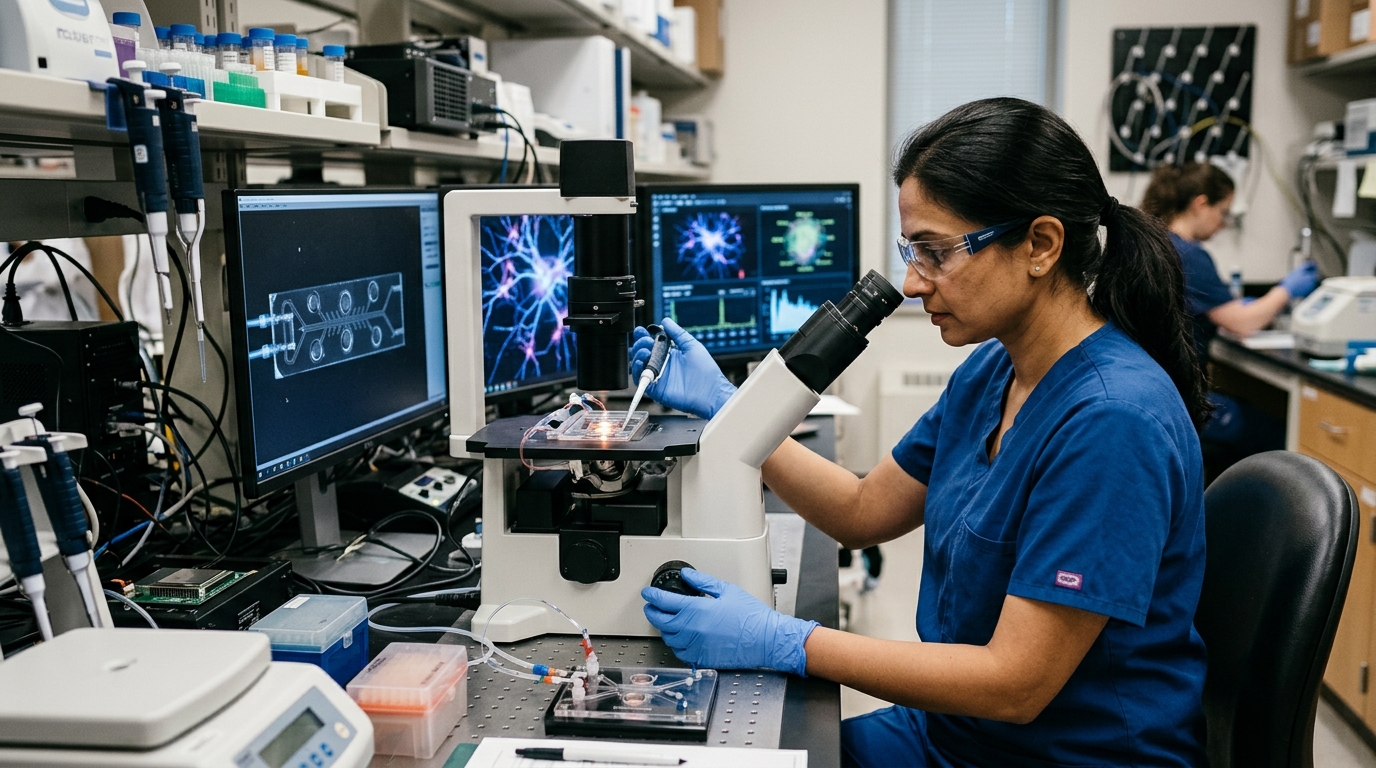
Reproductive medicine is standing at the threshold of a new era, as the convergence of nanotechnology and computational intelligence promises to solve some of the most persistent challenges in In Vitro Fertilization (IVF). A recent comprehensive review published in Applied Physics Reviews by AIP Publishing highlights the transformative potential of microfluidic devices combined with Artificial Intelligence (AI) to optimize the In Vitro Maturation (IVM) of oocytes.
For decades, conventional IVF has relied on heavy hormonal protocols to stimulate the ovaries into producing mature eggs. While effective, this approach is not without risks; Ovarian Hyperstimulation Syndrome (OHSS) remains a significant concern for many patients. IVM—the process of retrieving immature eggs and maturing them in a laboratory setting—offers a compelling alternative, but it has historically been plagued by lower success rates. This technological gap is precisely what the new research aims to bridge.
Microfluidics: Mimicking Nature on a Chip
The traditional environment of an embryology lab utilizes static cultures in Petri dishes, which are a far cry from the dynamic, fluid environment of the female reproductive system. Microfluidic devices, often referred to as "lab-on-a-chip," allow scientists to create microscopic channels where fluids flow in a highly controlled manner.
This technology enables the precise mimicry of the physiological conditions found in the fallopian tubes and uterus. Nutrient flow can be adjusted in real-time, metabolic waste is continuously removed, and the mechanical stresses applied to the eggs simulate the body's natural movements. Research indicates that this "dynamic culture" significantly reduces oxidative stress on cells, markedly improving the quality of oocytes matured outside the body.
AI as the Silent Embryologist
While microfluidics provides the hardware, Artificial Intelligence provides the software for critical decision-making. The maturation of an egg is an incredibly delicate process where timing is everything. Until now, assessing egg quality has relied heavily on the subjective observation of embryologists through a microscope.
The introduction of machine learning algorithms is a game-changer. AI can analyze thousands of oocyte images in a fraction of a second, identifying morphological features invisible to the human eye. Furthermore, it can monitor metabolic activity within the microfluidic channels and predict with startling accuracy which eggs are most likely to lead to a successful pregnancy. This reduces the need for multiple cycles, easing the psychological and financial burden on couples.
Societal and Ethical Implications
The implementation of these technologies is not just about science; it is about healthcare accessibility. Reducing reliance on expensive fertility drugs and automating parts of the laboratory process could, in theory, lower the overall cost of IVF. However, bioethical questions inevitably arise. The use of AI to select the "best" eggs touches upon concerns regarding eugenics for some critics, while the data harvested during the process requires stringent privacy frameworks.
Moreover, there is a risk that this technology could remain the exclusive province of wealthy nations or high-end private clinics, widening the gap in healthcare equity. The challenge for the global medical community is to ensure that "smart" IVF becomes accessible to all who need it, regardless of their socioeconomic status.
Conclusion: The Future of Fertility
The synergy of microfluidics and AI in IVM represents a paradigm shift from "aggressive" medical intervention toward a more personalized and gentle approach. As these technologies mature and transition from the research phase to clinical practice, the promise of a more humane and effective form of assisted reproduction becomes increasingly tangible. The future of life's beginning appears to flow through the microscopic channels of chips and the algorithms of the next generation.