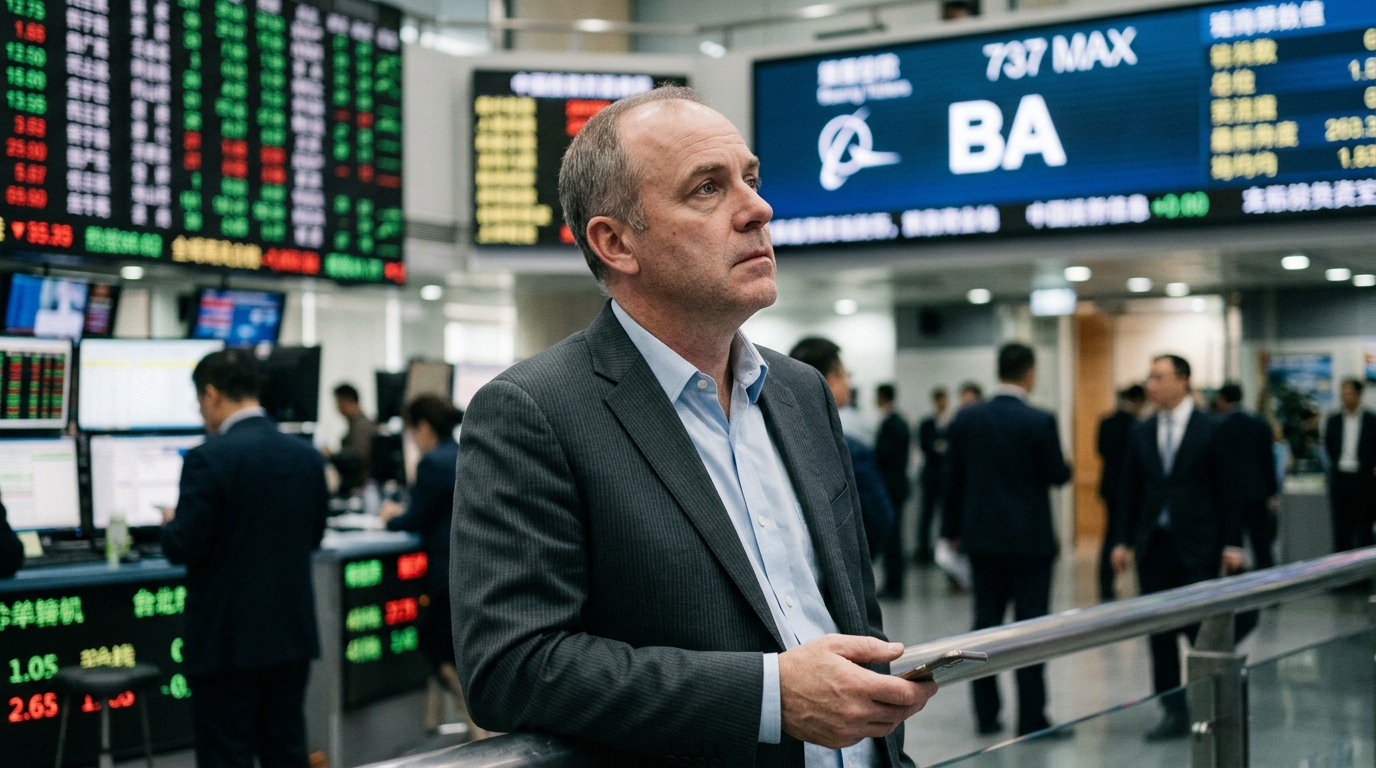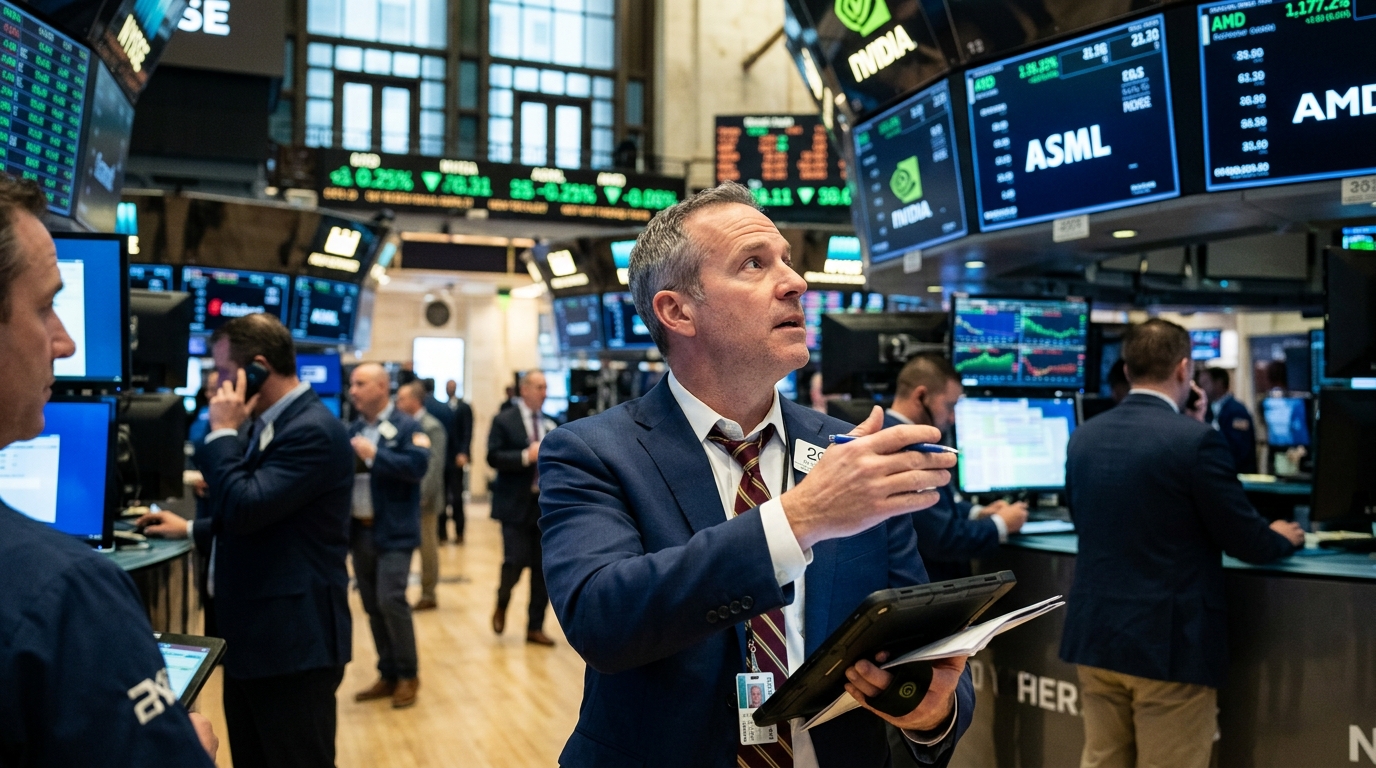
The dominance of Taiwan Semiconductor Manufacturing Co. (TSMC) on Asia’s stock boards has been unquestioned for years. As the exclusive manufacturer of Nvidia’s advanced chips, TSMC was the "golden ticket" for anyone looking to capitalize on the Artificial Intelligence explosion. However, as we move through the second quarter of 2026, the landscape is shifting dramatically. Institutional investors, seeking higher yields and attempting to mitigate risk, are turning their gaze toward new players supporting the AI ecosystem from different angles.
Market Maturation and the Search for the Next Nvidia
TSMC remains a titan with unparalleled technological prowess, but its valuation has reached levels that many analysts consider "fully priced." The market is no longer asking if TSMC can build chips, but whether the network supporting them can keep pace with growth. This shift has brought to the fore companies specializing in High-Bandwidth Memory (HBM), specialized application-specific integrated circuit (ASIC) design, and, most importantly, power and cooling infrastructure.
In Korea, SK Hynix and Samsung Electronics are seeing capital inflows reminiscent of Nvidia’s glory days. Demand for HBM4 memory, essential for next-generation AI processors, has created a new hierarchy in the semiconductor sector. Investors are betting that the production bottleneck is no longer just chip lithography, but the speed at which data can move through the system.
The Geopolitical Factor and Risk Diversification
It isn't just financial metrics driving investors away from the TSMC monoculture. The "Taiwan risk" remains a constant footnote in every investment portfolio. Despite TSMC’s efforts to expand into Arizona and Germany, the bulk of its cutting-edge production remains concentrated in a geographically sensitive zone. This has led to a pivot toward Japanese semiconductor equipment firms, like Tokyo Electron, and US-based designers utilizing alternative foundries.
"Artificial Intelligence is no longer a laboratory experiment, but an industrial revolution that requires cement, steel, and energy," notes a Morgan Stanley analyst.
This "industrialization" of AI has highlighted winners in sectors previously considered mundane. Companies manufacturing liquid cooling systems for data centers or high-voltage transformers are seeing their stocks outperform traditional tech giants. Investors are realizing that a powerful processor is useless without the electrical power to fuel it or the means to dissipate the immense heat it generates.
The New Asian Ecosystem
Beyond Taiwan and Korea, Southeast Asia is emerging as the new hub for "back-end" production. Malaysia and Vietnam are attracting investments in outsourced semiconductor assembly and test (OSAT) facilities, which represent the final and critical stage before a chip reaches the customer. As chip architecture becomes more complex with the use of "chiplets," the importance of advanced packaging grows, offering new avenues for profit.
In conclusion, the AI market is entering a phase of maturity. TSMC will remain the cornerstone, but the structure being built upon it is now far larger than the company itself. The winners of 2026 will not necessarily be those making the smallest transistors, but those solving the practical problems of scale, energy, and supply chain. For the savvy investor, the opportunity no longer lies in following the crowd to Taipei, but in seeking the unsung heroes of infrastructure across the global value chain.