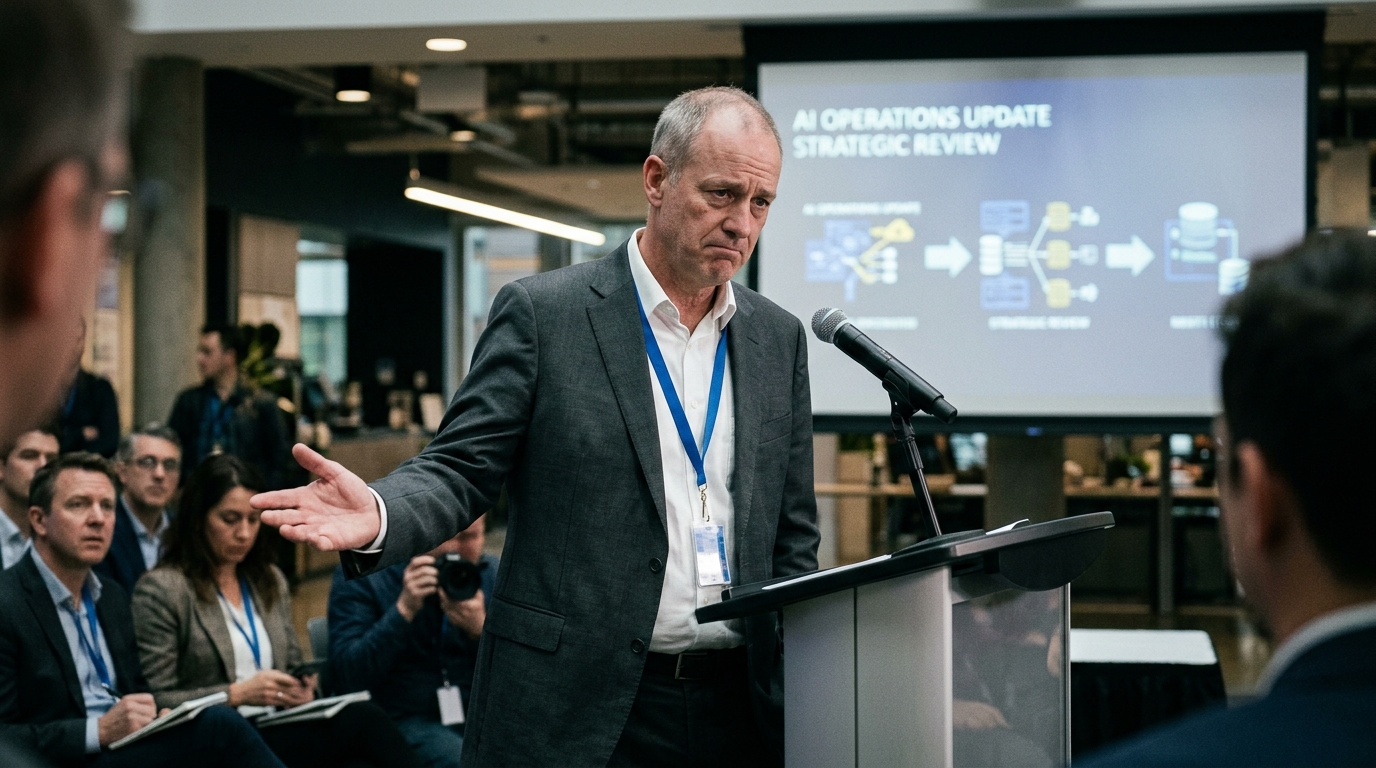
The news that Starbucks, the global coffee behemoth, has decided to scrap one of its most high-profile Artificial Intelligence (AI) tools is more than just a corporate retreat. It is a moment of reckoning for an entire industry that rushed to embrace automation without accounting for the human element. The tool, designed to optimize ordering and reduce wait times, ended up creating more friction than efficiency, leading management to pull the plug permanently.
The Promise of the 'Perfect' Order and the Reality of Failure
A few years ago, Starbucks unveiled its vision for the future: an ecosystem where AI, through its 'Deep Brew' platform, would predict customer desires, manage inventory, and automate order-taking at drive-thrus. The promise was seductive: fewer errors, faster service, and reduced labor costs. However, the reality on the ground proved dramatically different. The AI system struggled to grasp the complex customizations that are the hallmark of the Starbucks experience – from the 'extra shot' to specific milk and syrup preferences.
Reports from baristas were revealing. The AI system frequently 'hallucinated' or misinterpreted voice commands, especially in high-noise environments typical of busy drive-thrus. This forced employees to manually intervene to correct errors, nullifying any speed benefits. Instead of a digital assistant, baristas found themselves wrestling with a dysfunctional algorithm that slowed their workflow and frustrated customers.
Brian Niccol’s Pivot and the Return to Roots
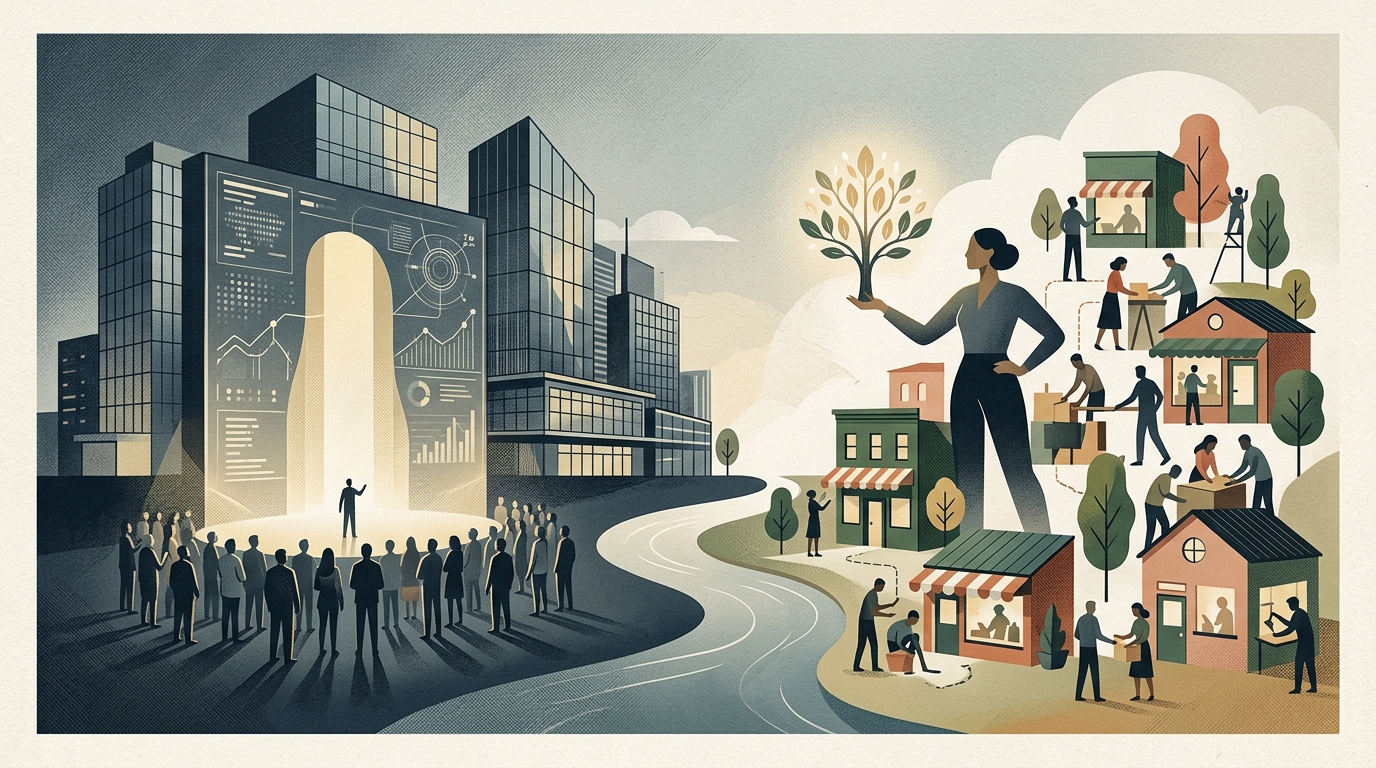
The decision to scrap the tool comes at a critical juncture for the company under the new leadership of Brian Niccol. Niccol, who took the helm with a promise to restore the 'soul' of Starbucks, seems to recognize that over-reliance on technology has eroded the 'Third Place' experience – that space between home and work where customers seek connection and quality.
- Loss of Personalization: AI could not replace the intuitive understanding of a seasoned barista.
- Technical Glitches: System errors led to incorrect billing and significant material waste.
- Customer Backlash: Consumers expressed a clear preference for human interaction, particularly in a premium brand context.
Niccol’s 'Back to Basics' strategy emphasizes improving working conditions and simplifying the menu over introducing dubious technological solutions. The failure of the AI tool served as a catalyst for this shift, highlighting that technology must serve the human experience, not the other way around.
"You cannot automate the warmth of a smile or the attention to detail required for a properly crafted beverage," noted a company executive who requested anonymity.
A Lesson for Silicon Valley and the Food Industry
Starbucks’ case is not an isolated incident. It follows McDonald’s recent failure with its own drive-thru AI system, which was also withdrawn after comical and frustrating errors went viral on social media. These incidents highlight a structural problem: the current generation of generative AI and voice assistants is not yet mature enough to handle the complexity and unpredictability of real-time retail environments.
For tech companies, this serves as a loud warning that 'AI-washing' – adding AI to every process simply for marketing purposes or to appease investors – can be fatal to a brand's reputation. Starbucks invested millions into an infrastructure that ultimately alienated its customer base. In the future, AI integration will likely need to be more discreet and targeted, perhaps in back-office operations and supply chain management, rather than at the front lines of customer service.
In conclusion, Starbucks is choosing to reinvest in its people. Scrapping the AI tool marks the end of an era of uncritical technological enthusiasm and the beginning of a more mature approach, where technology is used to enhance, rather than replace, the human experience.