In an era where the traditional dream for any computer science or business graduate was a cubicle at the headquarters of Google, Meta, or Microsoft, Mark Cuban is making waves with a contrarian take. The billionaire investor and Shark Tank star argues that the golden age of tech giants as the ultimate employers is drawing to a close. Instead, he believes the real opportunity for the generation entering the workforce today lies within small and medium-sized businesses (SMBs), which, armed with Artificial Intelligence, are poised to dominate job creation.
The Great Shift: From Conglomerates to Local Players
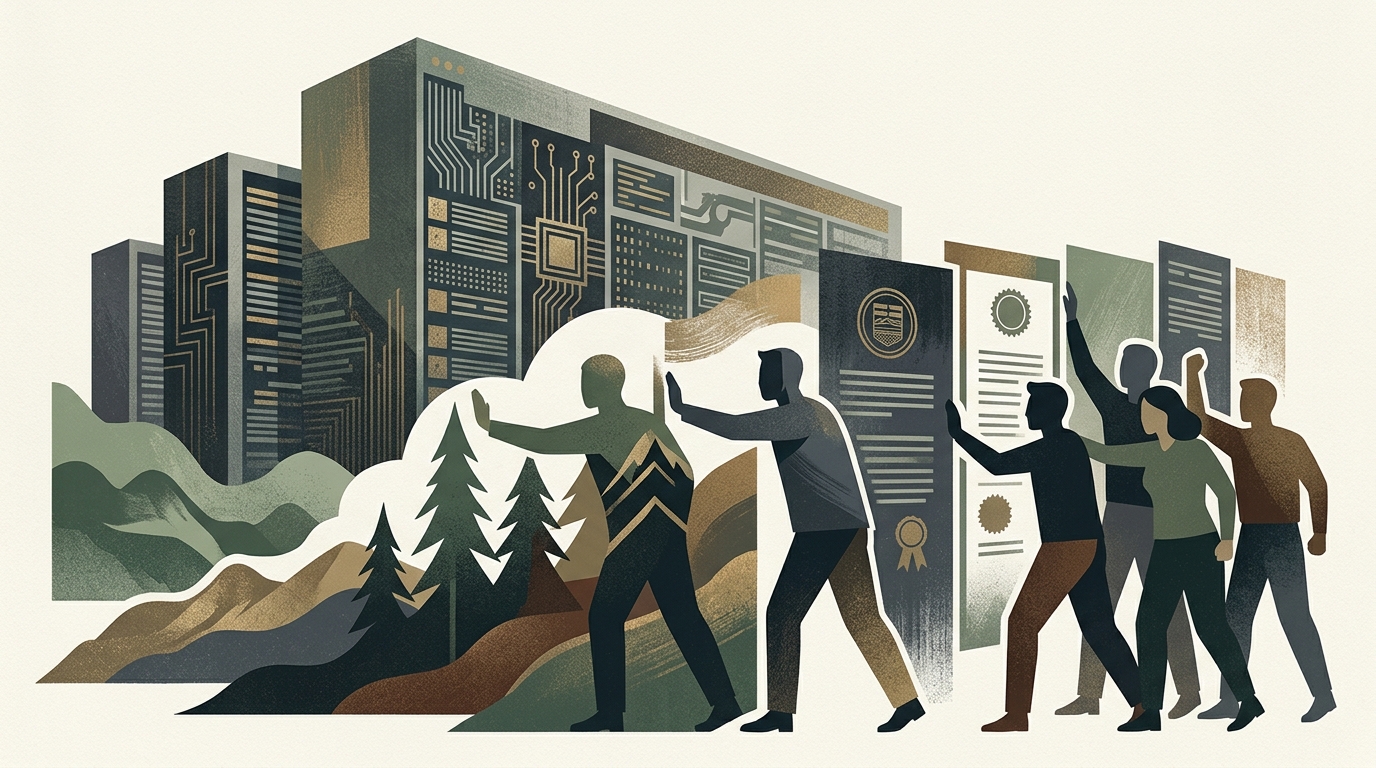
Cuban’s analysis isn't based on mere intuition but on the structural changes brought about by Generative AI. According to him, Big Tech has reached a saturation point where efficiency is now achieved through automation and headcount reduction rather than expansion. "The percentage of jobs created by small businesses every year will only increase," he stated, highlighting that Big Tech has evolved into a space where individual creativity is often stifled by multinational bureaucracy.
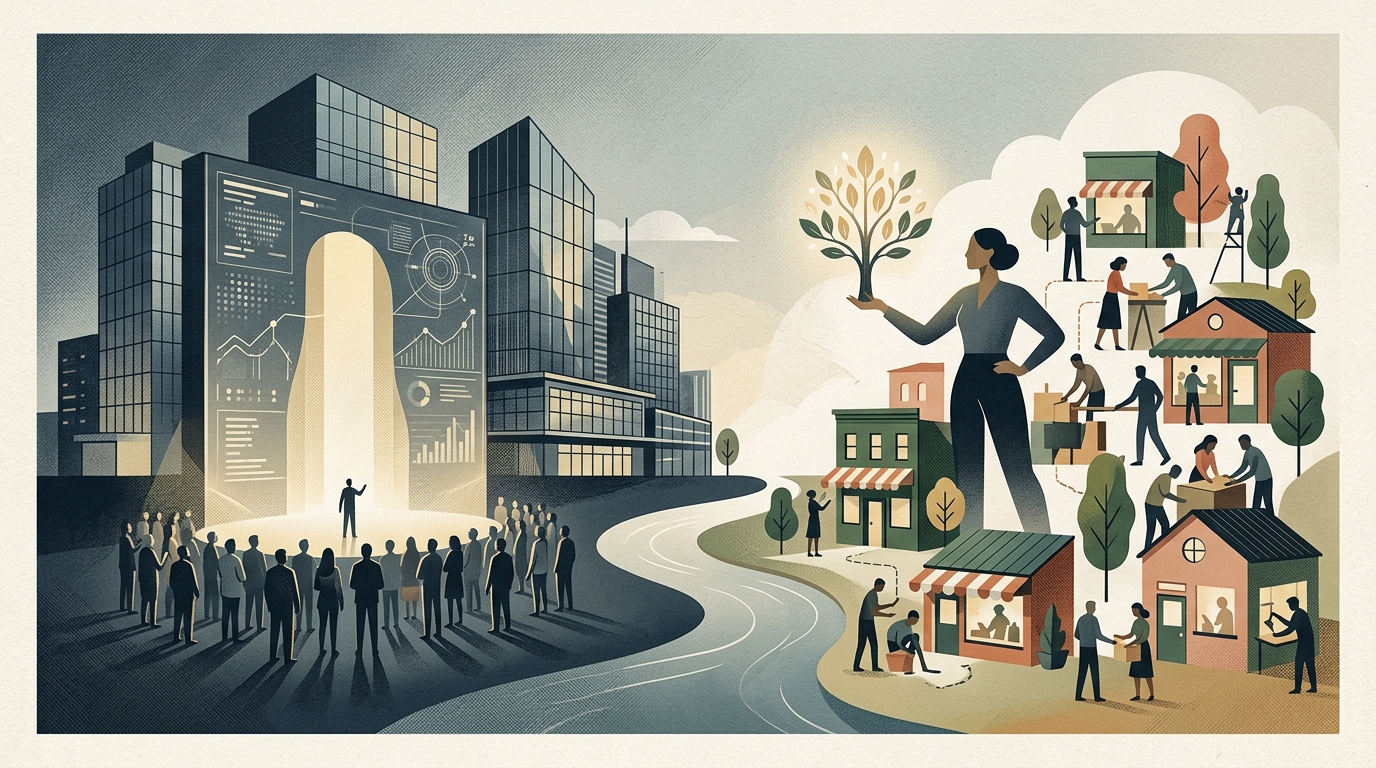
For young professionals, this means that seeking employment in a small business is no longer a "backup plan" but a strategic move. In a small business, an employee can have an immediate impact, wear multiple hats, and see the fruits of their labor translate directly into growth for the local community. Furthermore, the agility of smaller setups allows them to integrate new technologies much faster than the cumbersome giants of Silicon Valley.
AI as the Great Equalizer
The crux of Cuban's argument is the democratization of technology. A decade ago, a small business needed massive capital to access the data analytics, marketing, or customer service tools available to large corporations. Today, using AI, a local shop owner or a small manufacturing plant can possess the same level of business intelligence as a Fortune 500 company, at a fraction of the cost.
- Routine Automation: SMBs can now manage accounting, logistics, and CRM with minimal staff, allowing employees to focus on strategy and innovation.
- Personalized Experience at Scale: AI enables small businesses to offer personal service at scale, something that was traditionally the advantage of large players with massive call centers.
- Low Barrier to Entry: Starting a new venture is cheaper than ever, as digital tools replace expensive physical infrastructure.
Cuban points out that those who learn to use AI to augment traditional businesses—from plumbers and electricians to local accounting firms—will be the true winners of the next decade. Technology isn't replacing these services; it's making them incredibly more profitable and efficient.
The End of "Prestige Hiring"
There is also a sociological dimension to Cuban's advice. For years, working at a Big Tech company was considered a symbol of social status. However, the waves of layoffs that began in 2023 and have persisted through 2026 have proven that security in large corporations is an illusion. Young people today are looking for meaning in their work and a sense of belonging—elements found much more easily in a team of 10 or 20 people than in an organization of 100,000 employees.
"Don't look for where the glory is today. Look for where you can create value tomorrow. And that value is at the roots of the economy, where technology meets real human needs," says Cuban.
In conclusion, Mark Cuban’s advice is a wake-up call. The next generation of billionaires won't necessarily come from a new social media app, but from those who manage to modernize and scale the "boring" but essential small businesses that form the backbone of the global economy. The future of work is decentralized, tech-enabled, and decidedly local.