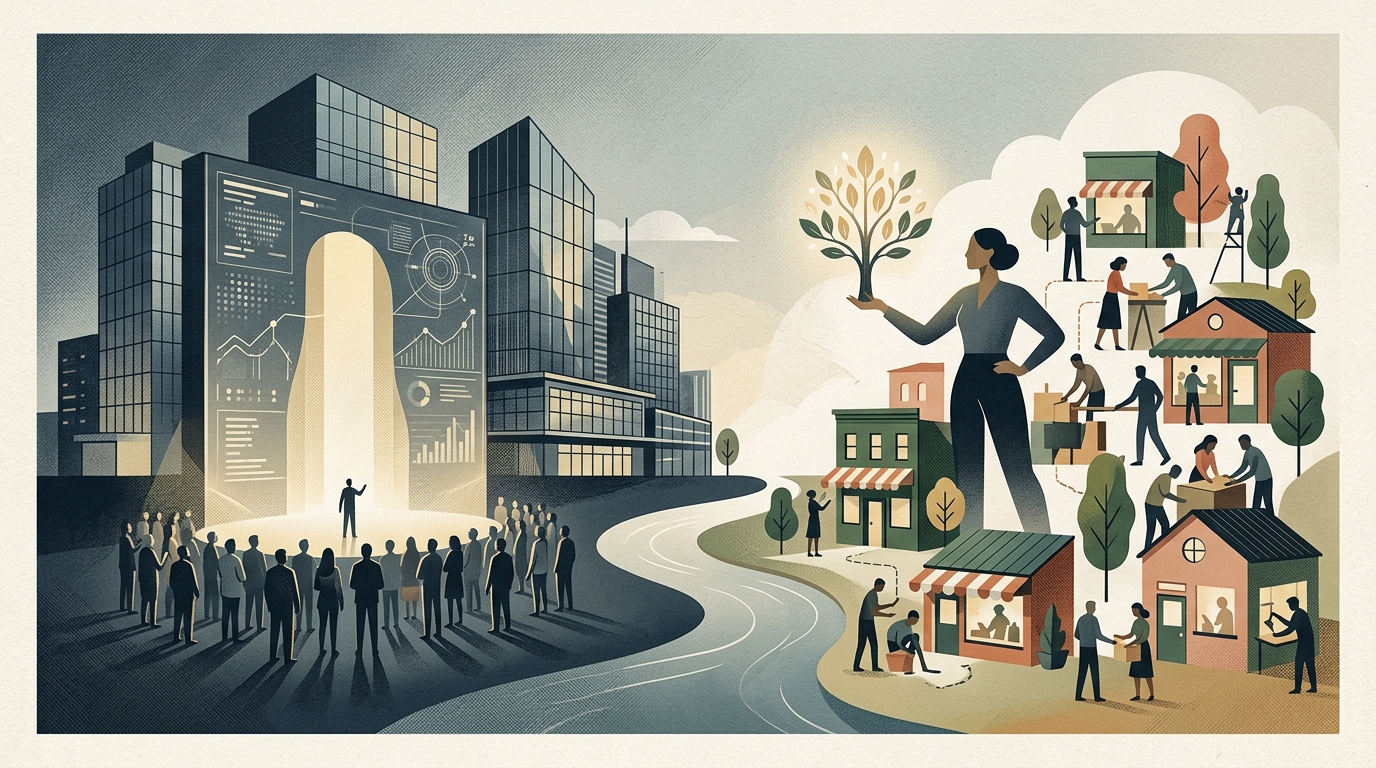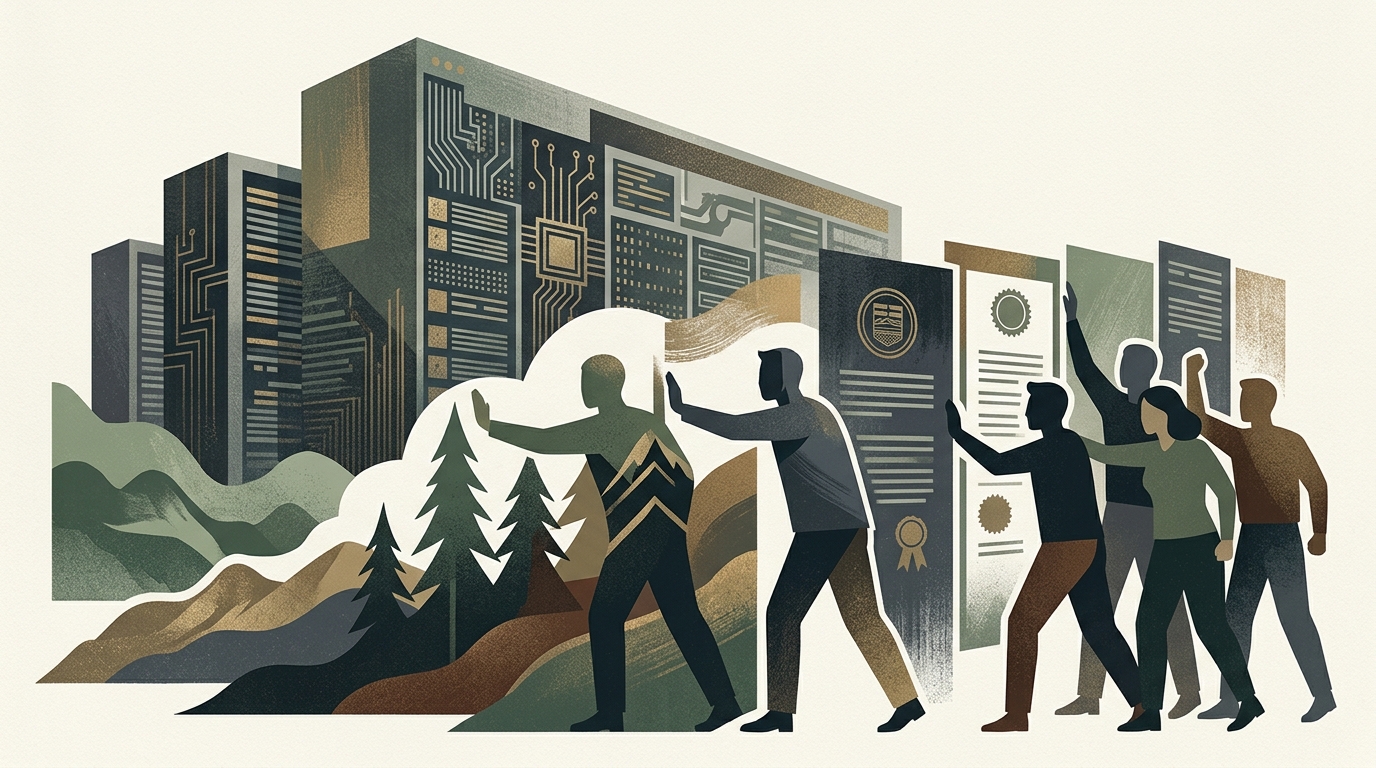
Northwestern Alberta, a region traditionally defined by its oil patches and vast forestry operations, is becoming the latest battleground for the future of the digital economy. Kevin O’Leary, the high-profile investor and television personality known as “Mr. Wonderful,” is spearheading a massive proposal to build what would be Canada’s largest data center. However, his vision of a northern digital fortress is facing significant headwinds as local residents and Indigenous groups voice their skepticism and opposition.
The Promise of the Northern Cloud
The project, backed by O’Leary Ventures and a consortium of investors, aims to capitalize on Alberta’s unique advantages: a cold climate that reduces cooling costs and a relatively deregulated energy market. As the global AI boom creates an insatiable demand for processing power, data centers have become the critical infrastructure of the 21st century. O’Leary has positioned the project as a way to diversify Alberta’s economy, moving it beyond its traditional reliance on fossil fuels and creating a hub for high-tech employment.
The scale of the proposal is staggering. We are talking about a facility that would require hundreds of megawatts—potentially scaling to a gigawatt—of power. In O’Leary’s view, Canada has a golden opportunity to become a global leader in data sovereignty, hosting the vast amounts of information that power modern life within its own borders. He argues that the "cold and the power" of the North are the new commodities, just as valuable as the oil that lies beneath the soil.
Indigenous Sovereignty and Environmental Stakes
However, the "Shark Tank" approach to development is clashing with the complex social and legal landscape of Alberta. Indigenous groups, particularly those within Treaty 8 territory, have raised alarms about the lack of meaningful consultation. For these communities, the land is not merely an industrial site but a source of cultural identity and sustenance. The massive water requirements for cooling data centers are a primary concern, as they could impact local watersheds already stressed by climate change and existing industrial activity.
“Investment cannot come at the cost of our rights or our environment,” said a representative from a local First Nation group. “We have seen many projects come and go, promising jobs but leaving behind a footprint that lasts for generations. We will not be sidelined in discussions about our own territory.”
Beyond Indigenous concerns, local residents are worried about the impact on the provincial power grid. Alberta’s electricity market has seen volatility in recent years, with price spikes during extreme weather events. Critics argue that adding a massive industrial consumer like a Tier 4 data center could strain the system, potentially leading to higher costs for everyday consumers and increasing the risk of brownouts if the infrastructure isn't upgraded in tandem.
A Test Case for AI Infrastructure
The standoff in Alberta serves as a microcosm of a global challenge: how to build the physical infrastructure required for the digital age without alienating the people who live near it. The provincial government, led by Premier Danielle Smith, is generally supportive of major investments but must navigate the political minefield of balancing corporate interests with community concerns. There is also the question of the carbon footprint; while the data center itself is clean at the point of use, the source of its power—often natural gas in Alberta—remains a point of contention for environmental advocates.
O’Leary remains undeterred, often taking to social media and news outlets to advocate for the project. He frames the pushback as a symptom of a broader “anti-business” sentiment that he believes plagues Canada. Yet, the reality on the ground suggests that the issue is less about being against business and more about demanding accountability and transparency. As the project moves into the regulatory review phase, it will serve as a landmark case for how Canada manages the intersection of big tech, Indigenous rights, and environmental sustainability. For O’Leary, this may be his toughest pitch yet—one where the stakes are measured not just in dollars, but in the trust of a skeptical public.