The era where Artificial Intelligence resided exclusively within the confines of a screen is drawing to a close. With the unveiling of Project Solara, Microsoft signals a radical shift in its strategy, aiming to make AI "ambient." This is not merely a new application or an update to Copilot, but a comprehensive ecosystem that allows machine intelligence to permeate physical space—from factories and cities to our very homes.
The Philosophy of Invisible Computing
Project Solara is built on the premise that technology is most effective when it is invisible. Until today, our interaction with AI required a conscious act: opening a laptop or unlocking a smartphone. Microsoft, under the leadership of Satya Nadella, envisions a world where sensors, cameras, and IoT (Internet of Things) devices act as the "eyes and ears" of a central AI nervous system that anticipates our needs without the need for a traditional user interface (UI).
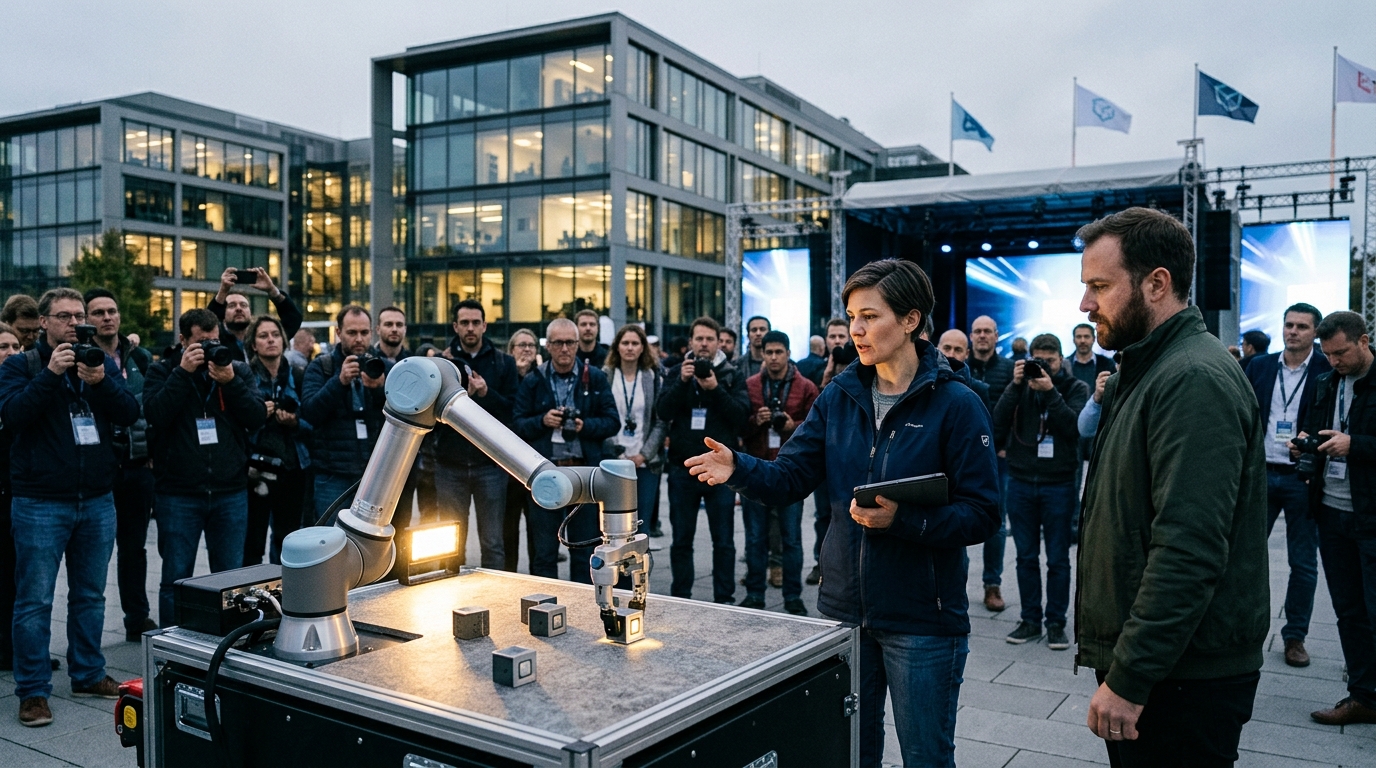
This shift toward "Edge Intelligence" means that data processing does not occur solely on distant cloud servers but locally, in real-time. Project Solara integrates advanced language and vision models directly into low-power hardware, allowing everyday objects to "understand" their environment. For instance, a smart industrial arm won't just follow programmed movements; it will perceive a worker's fatigue and adjust its speed automatically.
Beyond the Smartphone: The Death of the Device?
This move by Microsoft is interpreted by many analysts as an attempt to bypass the dominance of Apple and Google in mobile operating systems. Lacking its own smartphone platform, Microsoft is betting that the next great platform won't be a device we hold in our hands, but the very space we move through. Project Solara promises to turn every surface and every sensor into an entry point for Azure AI.
- Industrial Automation: Systems that predict failures before they happen by analyzing sounds and vibrations undetectable to the human ear.
- Smart Cities: Real-time traffic and energy management, with AI making millisecond-level decisions to optimize flow.
- Domestic Living: A home that adjusts lighting, temperature, and security not based on a schedule, but based on the emotional state and activities of its residents.
The Privacy and Security Frontier
Naturally, the prospect of an AI "living" in our walls and devices raises serious questions about privacy. If Project Solara requires constant environmental monitoring to function, where does convenience end and surveillance begin? Microsoft maintains that Solara’s architecture is built on "Privacy by Design," with most processing happening on-device and data never reaching the cloud unless absolutely necessary.
"The challenge is not to build smart devices, but to build an intelligence that respects human autonomy while remaining always available," company executives state.
However, history has shown that the guarantees of tech giants often bend to the needs of marketing and big data collection. The success of Project Solara will largely depend on whether Microsoft can win the trust of consumers and regulators, especially in the European Union, where the AI Act sets strict limits on biometric monitoring and behavioral analysis.
The Future of Work and Interaction
In the workplace, Solara could be revolutionary. Imagine a conference room that automatically takes minutes, recognizes speakers, summarizes decisions, and assigns tasks without anyone touching a keyboard. AI ceases to be a tool we use and becomes a partner participating in the process. This evolution, while promising massive productivity gains, also sparks concerns about further alienating humans from their core skills. As Microsoft invests billions into this vision, the question remains: are we ready for a world where intelligence is as ubiquitous as electricity?