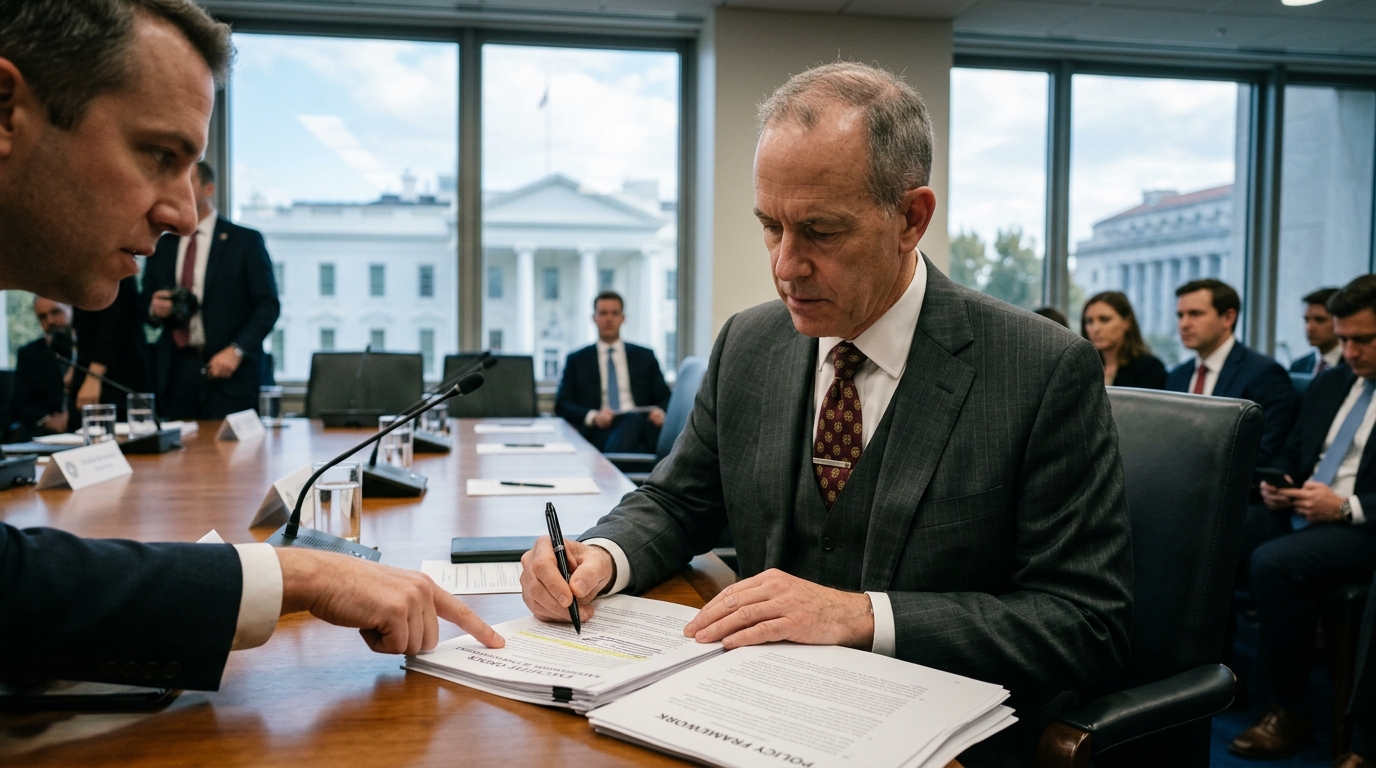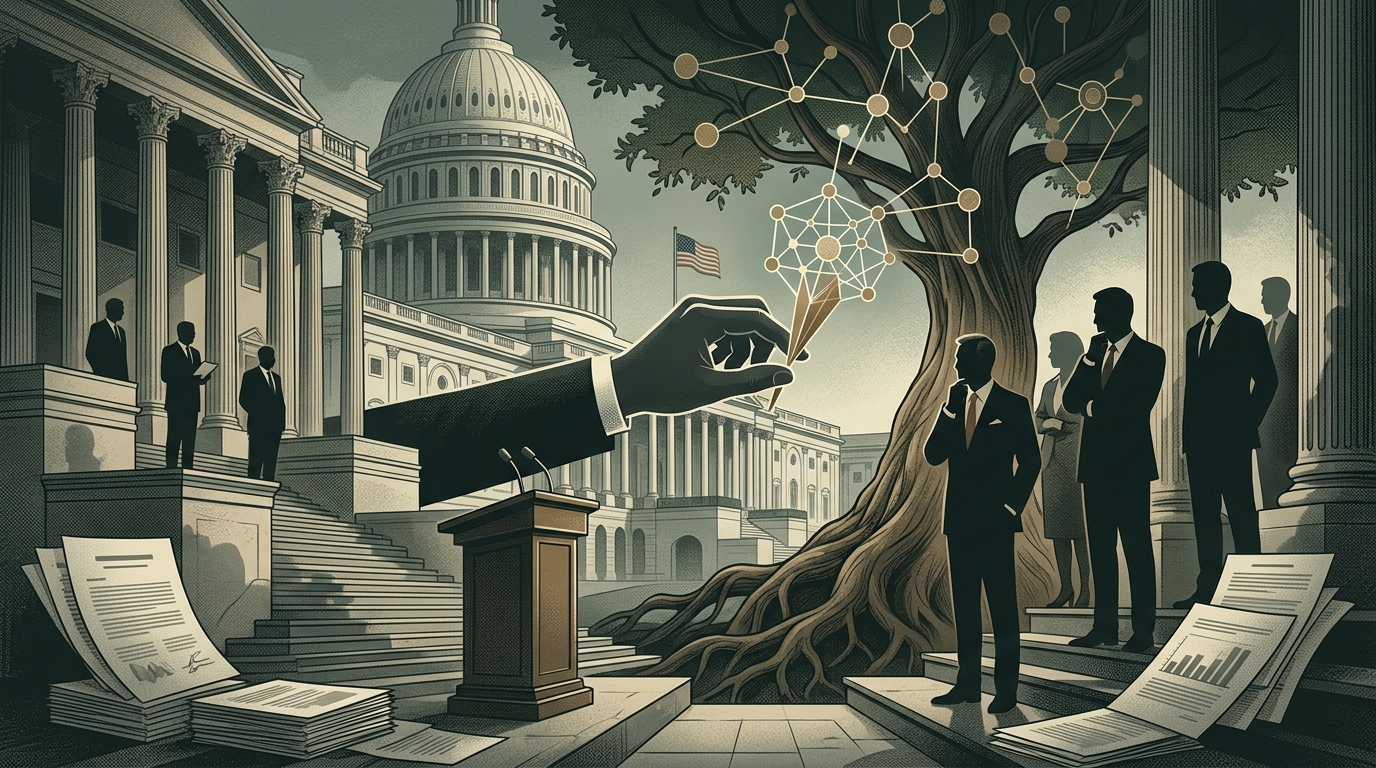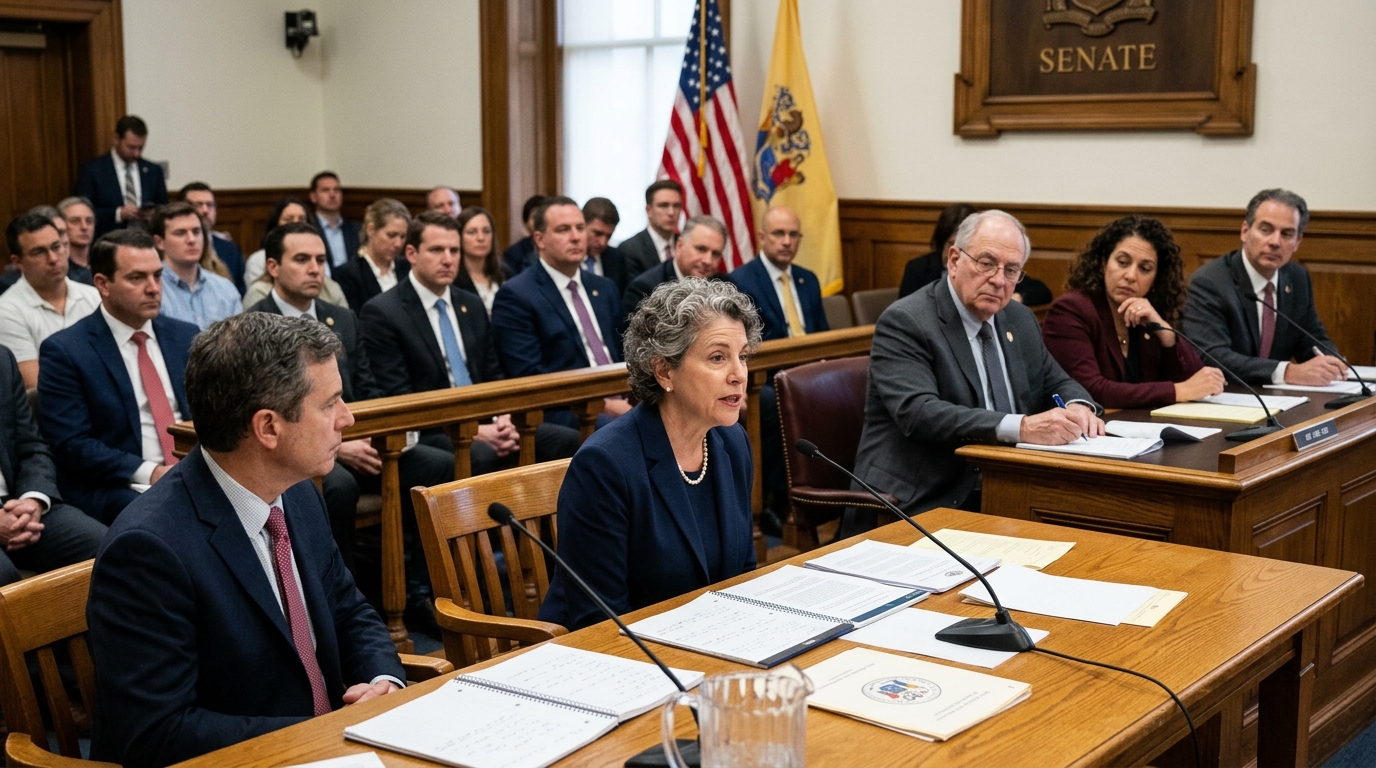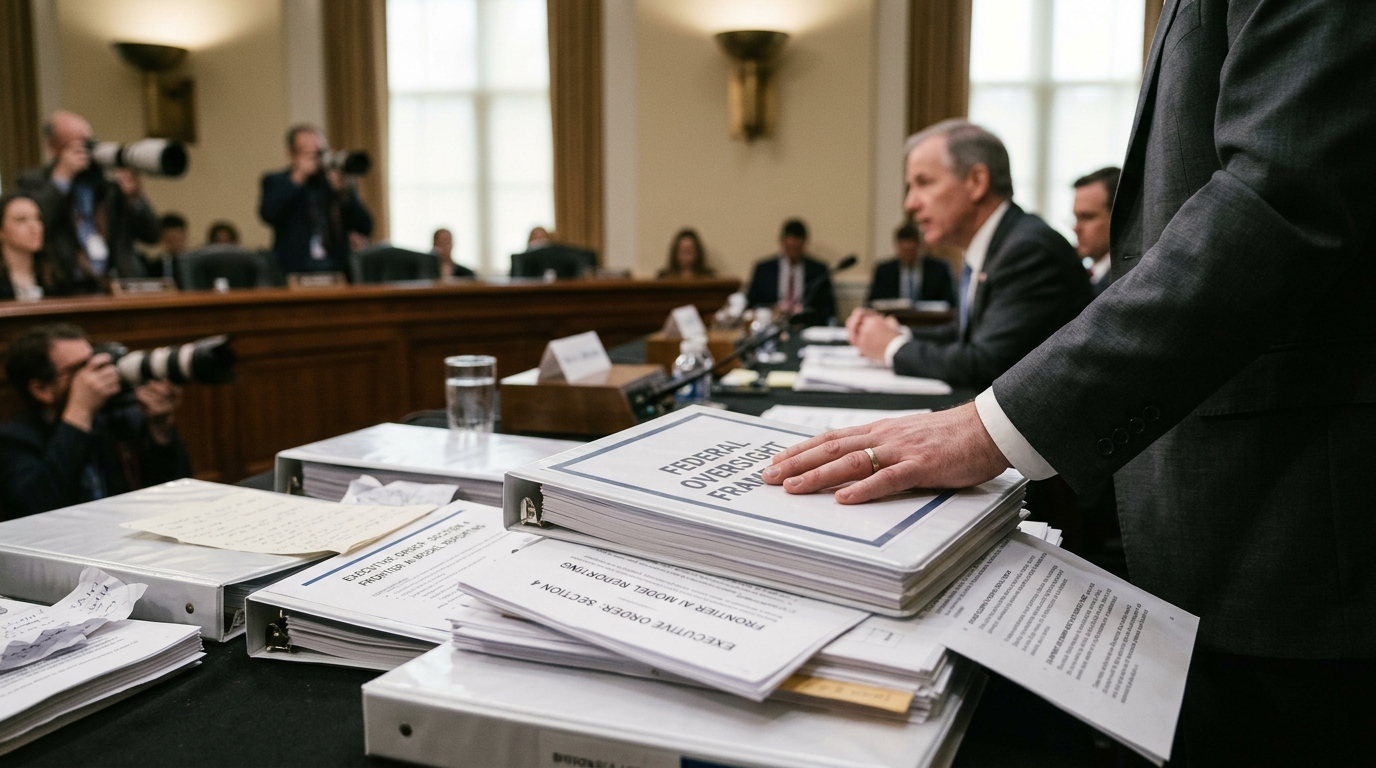
In a move that fundamentally reshapes the relationship between Silicon Valley and the US federal government, President Donald Trump has signed a new executive order requiring AI development companies to provide the government with access to so-called "frontier models." This decision, arriving amidst intense geopolitical competition, marks the end of the era of total self-regulation for tech giants and the beginning of a period where neural network code and weights are treated as matters of national defense.
The order focuses on models that exceed specific computational power thresholds, deemed capable of posing significant risks if misused. White House rhetoric emphasizes preventing AI from being used to create biological weapons, execute large-scale cyberattacks, or undermine the nation's critical infrastructure. However, the demand for "government access" raises serious questions about the protection of intellectual property and the limits of state intervention in private enterprise.
Defining "Frontier Models" and the Oversight Framework
According to the order, "frontier models" are defined as AI systems trained with computational power exceeding 10^26 floating-point operations (FLOPs). This technical threshold is not accidental; it directly targets the next generation of models from companies like OpenAI, Anthropic, and Google DeepMind. The administration argues that the complexity of these systems makes external risk assessment impossible without access to their internal "black box."
The framework provides for the creation of a special evaluation committee under the Department of Commerce, which will conduct "red-teaming" tests (attack simulations) before the public release of any new powerful model. Companies will be required to share the results of their own safety tests and allow federal agents to examine training procedures. This move represents a significant escalation from previous voluntary commitments, turning AI safety from a choice into a legal obligation.
National Security vs. Innovation
The core conflict emerging from this executive order concerns the balance between ensuring public safety and maintaining the pace of innovation. Trump supporters argue that Artificial Intelligence is the "new nuclear weapon" and that no private company should possess such power without state oversight. "We will not allow our technology to be used against us by foreign adversaries or domestic terrorists," a White House spokesperson stated emphatically.
On the other hand, Silicon Valley is expressing deep concerns. There is a fear that the bureaucratic delay imposed by government review will slow the development of American AI, giving an advantage to China. Furthermore, the issue of trade secret leaks is very real. If the government has access to model parameters, how can it be guaranteed that this information won't end up in the hands of competitors or be stolen by foreign intelligence services through cyber-espionage?
Geopolitical Competition and "America First"
The order is not just about domestic security; it is also a clear message to Beijing. The Trump administration seeks to build a "fortress" around American technology. By imposing strict controls on domestic models, Washington hopes to prevent Chinese entities from accessing advanced AI capabilities through cloud computing or other channels.
At the same time, the order includes provisions to strengthen domestic computing infrastructure, linking model access to state subsidies for data centers. It is a "carrot and stick" strategy: companies that cooperate with the state will have easier access to resources, while those that resist will face regulatory hurdles. This model of "state-led capitalism" in the tech sector represents a radical departure from traditional free-market values.
Privacy and the Shadow of Big Brother
Finally, civil liberties organizations are warning of the risks of mass surveillance. If the government has access to the foundations of AI models that power the daily communication, information searches, and work of millions of citizens, the potential for abuse is enormous. The question arises whether "access for security reasons" will transform into a tool for censorship or the monitoring of political dissidents.
History has shown that powers granted in times of crisis or technological transition are rarely returned. As AI becomes integrated into every aspect of life, Trump's decision to position the state as the ultimate auditor of "digital intelligence" will be the benchmark for the political battles of the coming decade.