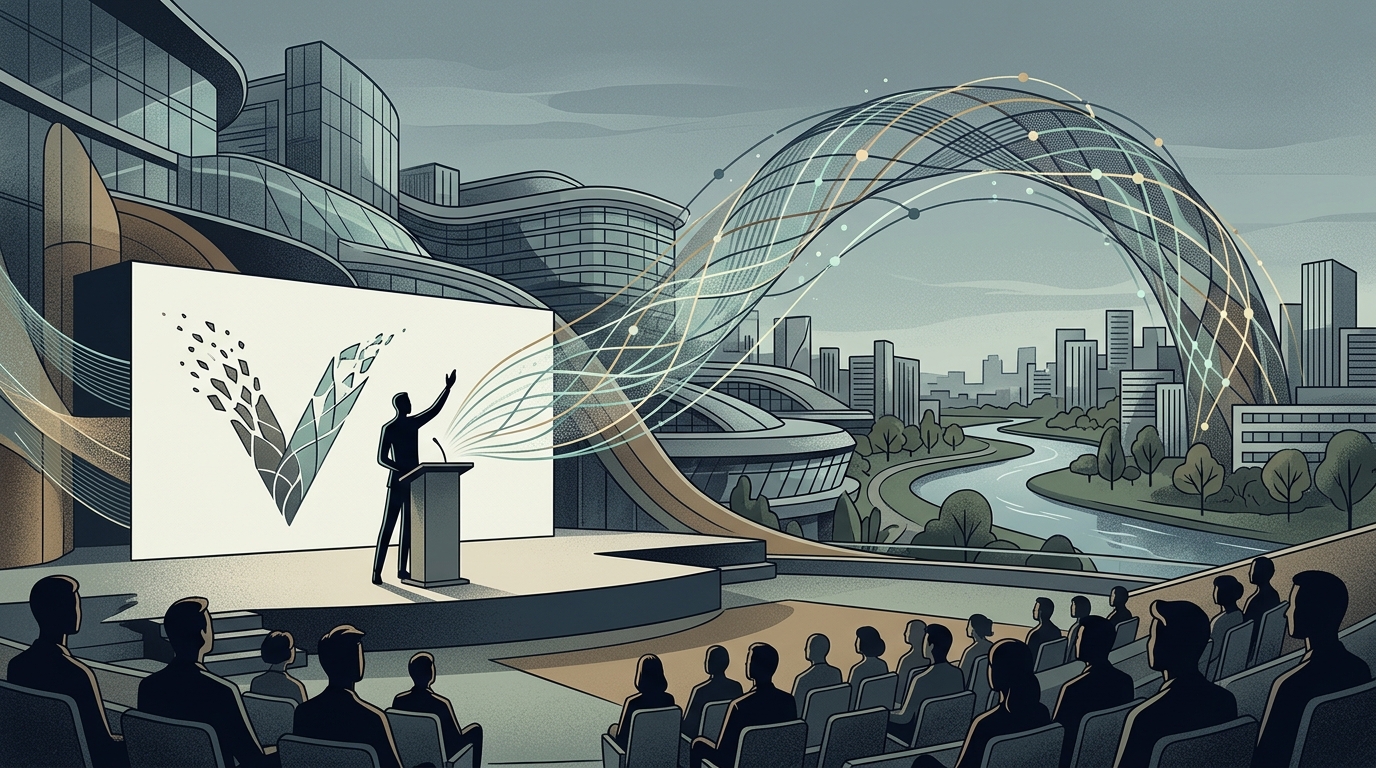
Las Vegas, April 22, 2026 — On the main stage of the Google Cloud Next conference, Alphabet CEO Sundar Pichai signaled the end of an era and the beginning of a new, more autonomous period for technology. The announcement of the Gemini Enterprise Agent Platform (GEAP) is not merely a rebranding of the well-known Vertex AI, but a complete restructuring of Google's cloud infrastructure, aimed at transitioning from "passive models" to "active agents."
The Transition from Vertex AI to the Agent Platform
For five years, Vertex AI served as Google's flagship for machine learning development. However, as Pichai explained, the market is no longer looking for tools to train models, but for integrated entities capable of performing complex tasks with minimal human intervention. The new Gemini Enterprise Agent Platform integrates Gemini 2.5 Pro (the latest model iteration released earlier this year) directly into the core of business processes.
The difference is structural. While Vertex AI required developers to build "bridges" between models and their data, the new GEAP platform acts as a "logic orchestrator." It features built-in "long-term memory" and "multi-step planning" capabilities, allowing an AI agent to manage, for instance, a company's entire supply chain by making ordering decisions based on demand forecasts and external economic factors.
Autonomous Decision-Making and the New "Agentic Web"
One of the most impressive features presented is the Gemini Agent Engine. This is an execution environment where agents can "think" before they act, using a technique Google calls "Recursive Reasoning." This allows the AI to self-correct its errors in real-time before delivering a result to the user.
- Workspace Integration: New agents have full authenticated access to documents, emails, and calendars, acting as digital employees.
- Security and Governance: Google introduced the "Agent Sandbox," an isolated environment where agents are tested before being granted access to critical corporate systems.
- No-Code Development: The platform allows business executives without technical knowledge to create agents using natural language.
Thomas Kurian, CEO of Google Cloud, emphasized that this move responds to the need for "productivity beyond chat." According to Kurian, 2026 will go down in history as the year AI stopped being a conversationalist and became a partner that "gets things done."
Economic Implications and Competition with Microsoft
This move by Google is seen as a direct assault on the Microsoft and OpenAI ecosystem. By integrating agents directly into the Cloud, Google offers a more seamless solution compared to the fragmented services of its competitors. Wall Street analysts estimate that this transition could increase Google Cloud revenue by 25% within the next 18 months, as businesses rush to automate their workflows.
"We are not just building software; we are building a new digital workforce," Pichai stated during his closing remarks.
However, the transition is not without challenges. Retiring Vertex AI means thousands of businesses will need to migrate their existing infrastructure to the new platform. Although Google promised automated migration tools, the complexity of these systems carries risks of operational downtime. Furthermore, the issue of autonomous agent ethics remains at the forefront: Who is responsible when an autonomous agent makes a flawed financial decision? Google responds with the "Shared Responsibility 2.0" model, which is expected to spark intense debate in EU and US legal circles.
In conclusion, Google Cloud Next 2026 marks the transition to the "Agentic Era." Google is betting everything on the idea that the future of work belongs not to those who handle tools best, but to those who can effectively guide an army of autonomous digital agents.