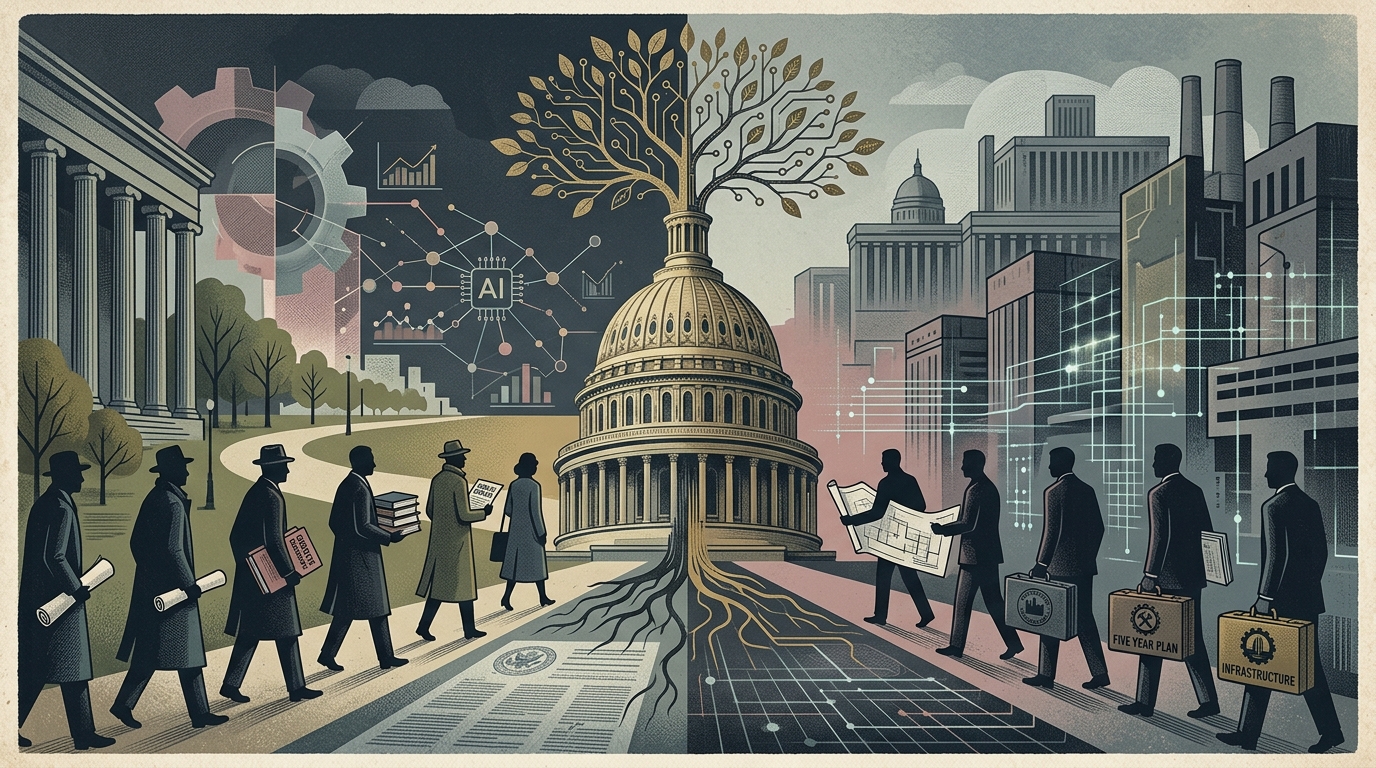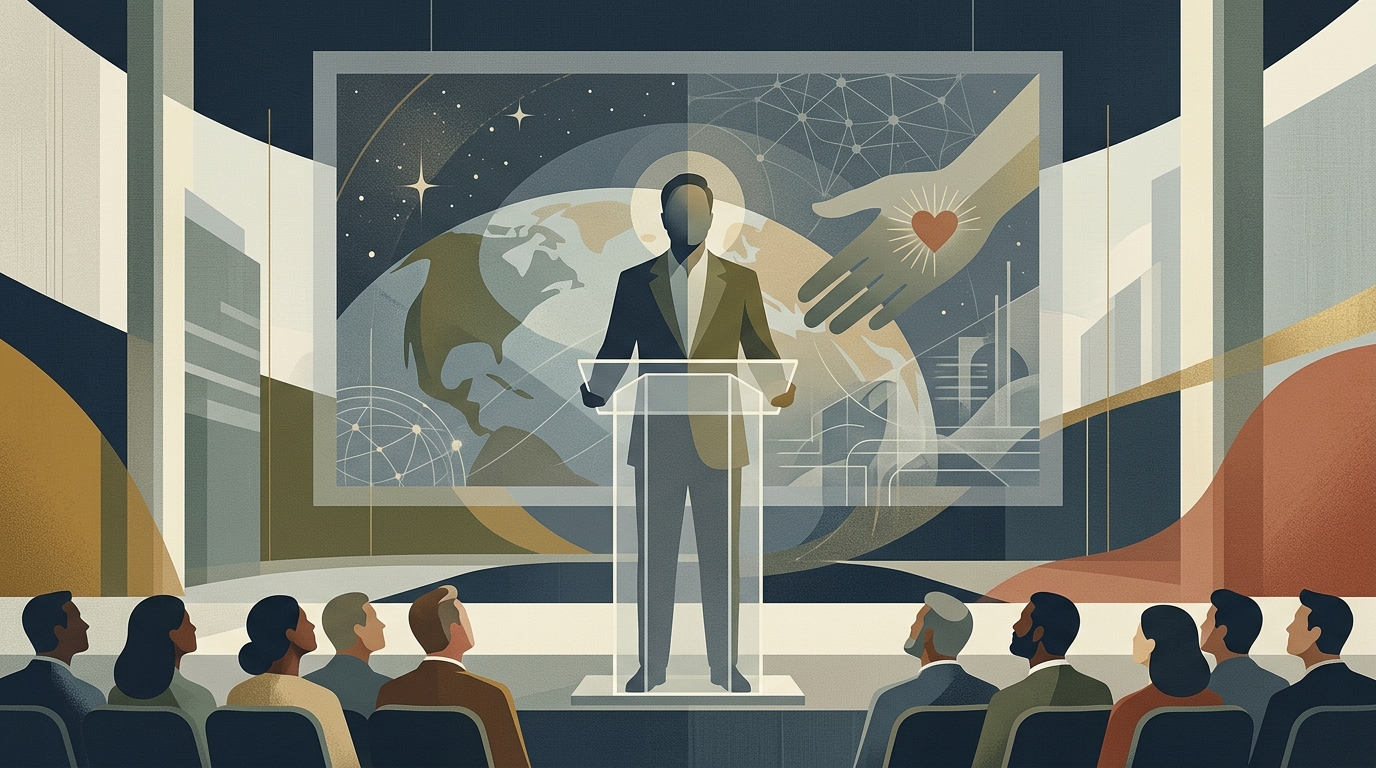
In a courtroom setting that felt more like a high-stakes Greek tragedy than a corporate legal proceeding, Elon Musk appeared not just as a plaintiff, but as a modern-day Prometheus reclaiming the fire he helped ignite. The legal battle between the world's richest man and OpenAI, the creator of ChatGPT, reached a fever pitch with Musk’s personal testimony. His central thesis? That his actions are not fueled by bitterness or financial gain, but by an existential dread regarding the future of our species.
The Anatomy of a 'Savior'
During hours of testimony, Musk attempted to construct a narrative beginning with his childhood in South Africa. He detailed his arrival in Canada with only $2,500, a move intended to bolster his image as a self-made visionary. According to Musk, his involvement in founding OpenAI in 2015 was never an investment play; it was a desperate attempt to create a counterweight to Google’s dominance, which he then viewed as a catastrophic threat to AI safety.
"Google had acquired DeepMind, and Larry Page wasn't taking AGI (Artificial General Intelligence) risks seriously," Musk testified. His rhetoric focused on the idea that OpenAI was established as a non-profit specifically to ensure that technology capable of surpassing human intelligence would not fall into the hands of a profit-driven monopoly. On the stand, Musk appeared emotionally charged, arguing that OpenAI’s transition into a "capped-profit" entity under Sam Altman’s leadership is the ultimate betrayal of a "sacred promise" made to humanity.
A Clash of Models: Open Source vs. Microsoft
The legal and ethical heart of the case revolves around the company's very name: OpenAI. Musk contends that "Open" was not merely a branding choice but a binding commitment to open-source development and transparency. The close partnership between OpenAI and Microsoft, which has seen billions of dollars in investment, is, for Musk, proof that the company has become a "de facto subsidiary" of the Redmond-based tech giant.
- Musk claims that OpenAI is keeping its models (like GPT-4) secret to serve commercial interests rather than public safety.
- OpenAI’s defense, conversely, argues that Musk attempted to merge the company with Tesla in 2018 and, after failing to seize control, decided to attack it from the outside.
- The court must now decide if a "founding agreement" actually existed, despite the absence of a single, formal signed contract outlining these terms.
Musk’s strategy is clear: he wants to force OpenAI back to its non-profit roots or, at the very least, expose what he calls the hypocrisy of its current leadership. However, legal analysts point out that appealing to the "salvation of humanity" is a difficult legal argument to sustain in a case centered on contractual obligations and corporate fiduciary duties.
AGI: The Holy Grail and the Bone of Contention
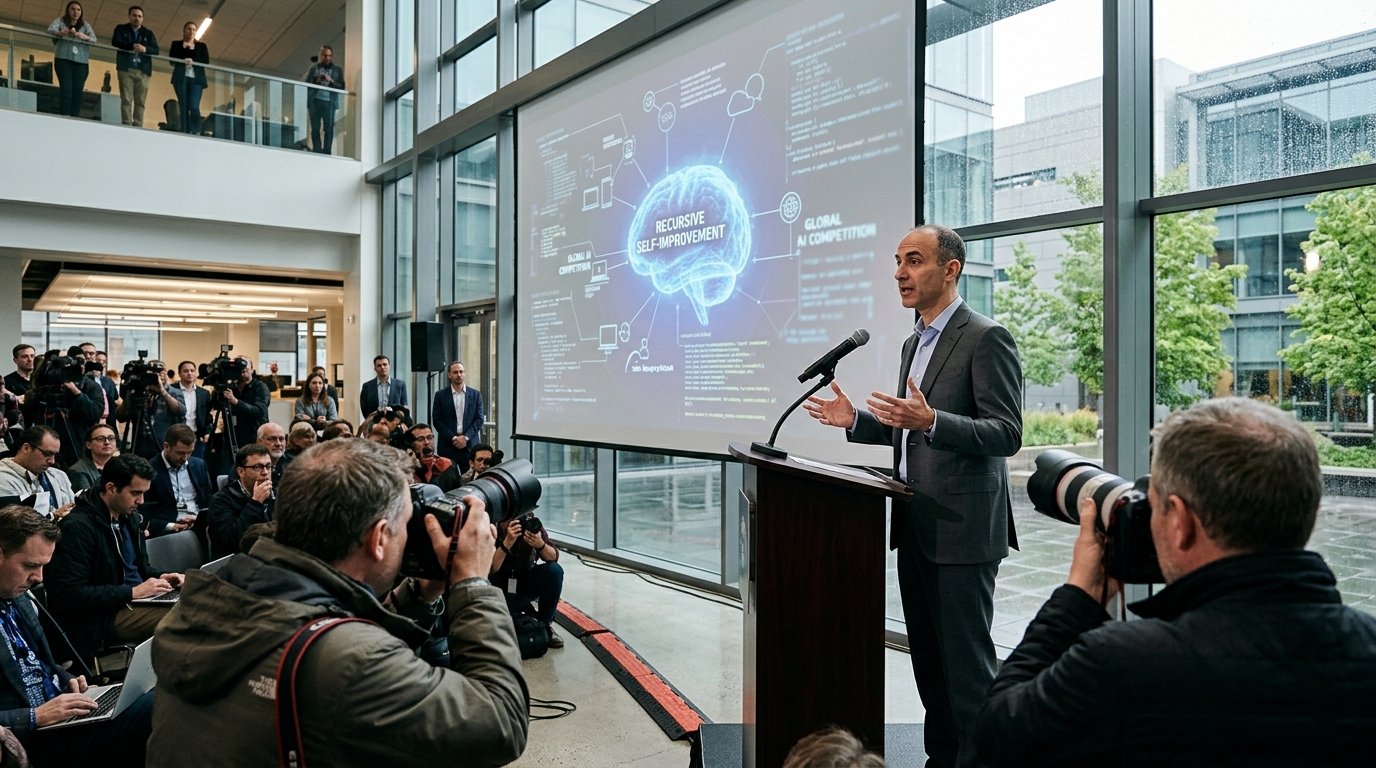
One of the most compelling moments of the testimony was the debate over what constitutes Artificial General Intelligence (AGI). Musk argued that OpenAI has already achieved, or is dangerously close to achieving, AGI—which, according to the company's charter, should not be licensed to Microsoft. Altman’s team categorically denies this, maintaining that current models are merely sophisticated statistical prediction tools.
"If you create something that can either destroy or save the world, you don't lock it in a vault to sell it to the highest bidder," Musk stated during cross-examination.
This trial is about more than two men or two corporations. It is about who will control the most significant technology of our century. If Musk wins, he could upend the entire business model of modern AI. If he loses, OpenAI will be solidified as the undisputed leader, but the shadow of doubt regarding its altruistic origins will persist. The question remains: Is Musk the selfless savior he claims to be, or a sidelined founder seeking vengeance for losing control of the future?