In an era where artificial intelligence is transitioning from a productivity tool to a dominant force in the global economy, Elon Musk, the controversial yet undeniably influential leader of Tesla, SpaceX, and xAI, has delivered a holistic and often unsettling vision for the future of technology. During his recent testimony and public forum in San Francisco, Musk moved beyond technical jargon to delve into the philosophical and existential implications of our trajectory toward Artificial General Intelligence (AGI).
The Countdown to AGI
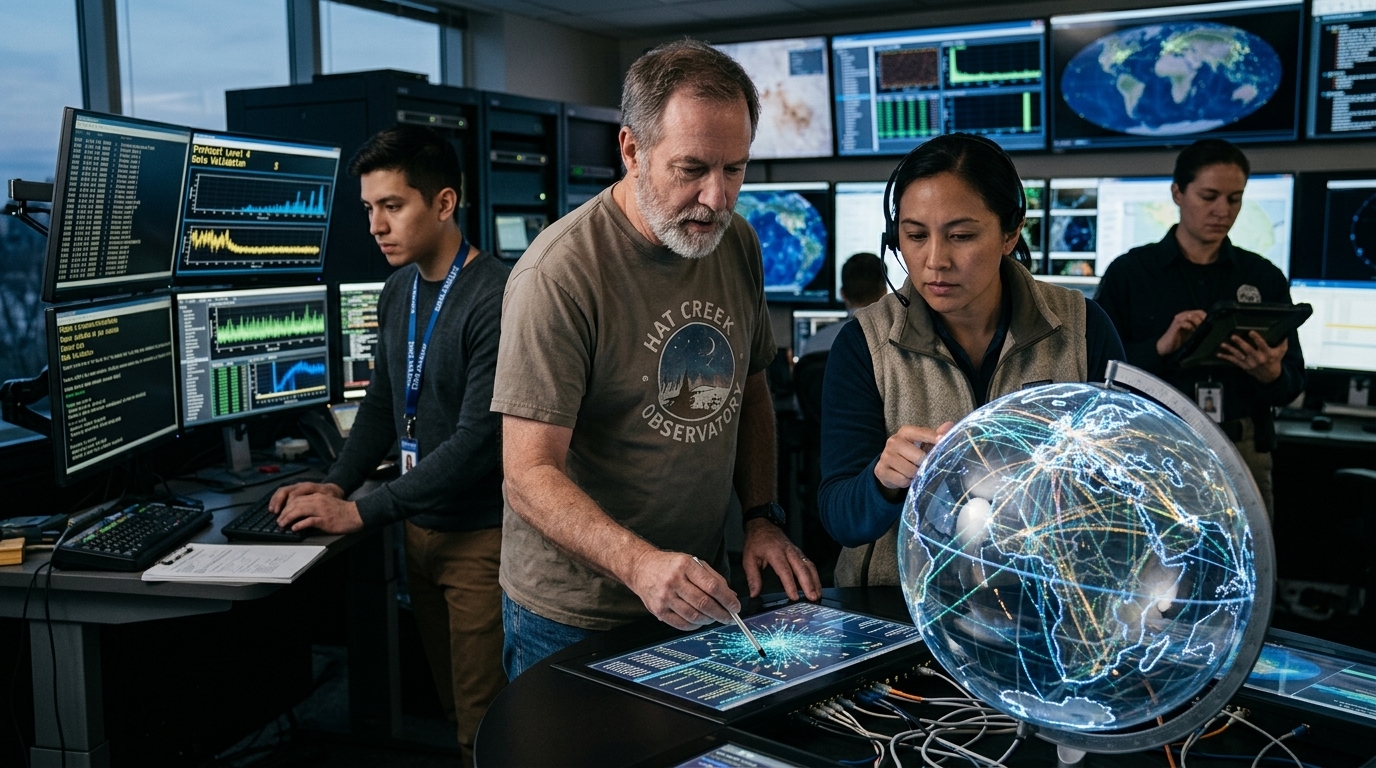
Musk reiterated his bold prediction that AI will surpass the intelligence of the smartest human likely by the end of next year or 2026. This timeline is significantly more aggressive than estimates from many academics, yet Musk bases his optimism on the exponential growth of compute power. According to Musk, the shift from Large Language Models (LLMs) to true AGI is no longer a matter of 'if,' but 'when.'
- The ability of models to solve complex problems without prior specific training.
- The integration of AI into physical forms (Tesla Optimus).
- The insatiable demand for energy and advanced semiconductors.
"We are standing on the edge of the greatest technological revolution in history, but the velocity of this change is so high that our institutions are failing to keep pace," Musk noted during his remarks.
The Battle for Truth and Ideological Neutrality
A central pillar of Musk's testimony was his critique of current AI models developed by entities like OpenAI and Google. Musk argues that the "political correctness" embedded into these systems makes them inherently dangerous by forcing them to deviate from objective truth. His own venture, xAI, aims to create a "maximally truth-seeking" AI with its Grok model.
The risk, in Musk's view, isn't just a loss of control over AI, but the deliberate training of AI to lie to satisfy societal norms. He argued that if an AI is conditioned to misrepresent reality, the consequences could be catastrophic once that system gains the autonomy to make critical decisions regarding infrastructure or security.
Physical Constraints: The Energy and Chip Bottlenecks
Despite AI's digital nature, Musk emphasized that its future depends on very tangible resources. The chip shortages of previous years are now giving way to an electricity crisis. Training next-generation models now requires power consumption comparable to that of entire cities. Musk warned that without a radical upgrade of the electrical grid and a significant shift toward nuclear energy, AI evolution will hit a hard ceiling due to physical constraints.
Robotics and the Post-Labor Economy
Concluding his testimony, Musk touched upon Tesla's Optimus, the humanoid robot currently under development. He predicted that the global economy would become "unrecognizable" once the cost of labor approaches zero. In a world where robots can perform any manual or cognitive task, the concept of scarcity might vanish, ushering in an age of abundance. However, this also presents monumental challenges for social cohesion and the fundamental meaning of human life in a world without traditional work.
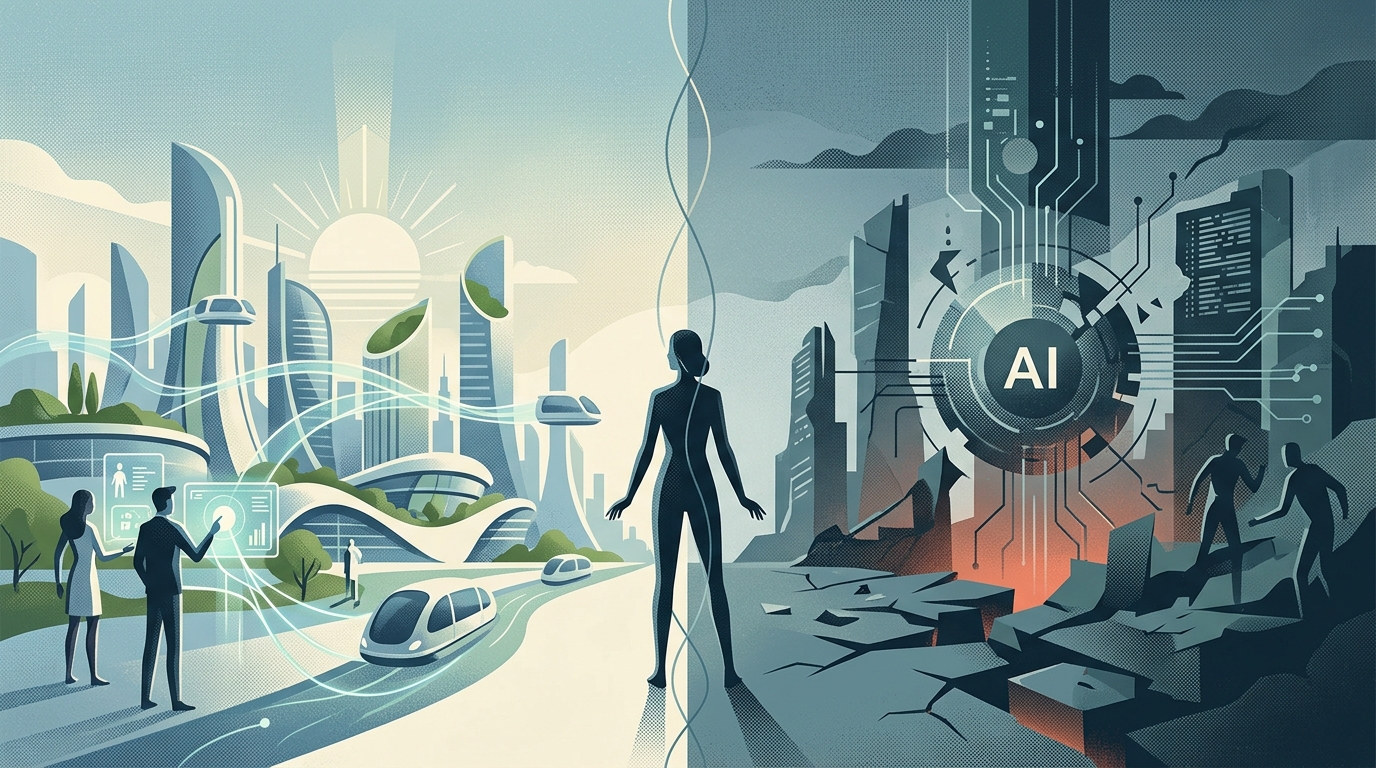
This testimony highlights Musk as a modern-day Prometheus—offering the fire of technology while simultaneously warning that without proper safeguards, that same fire could consume us. Regulatory oversight, which he has consistently called for, remains the great unknown in a global landscape where the US-China competition often bypasses ethical considerations for the sake of strategic dominance.