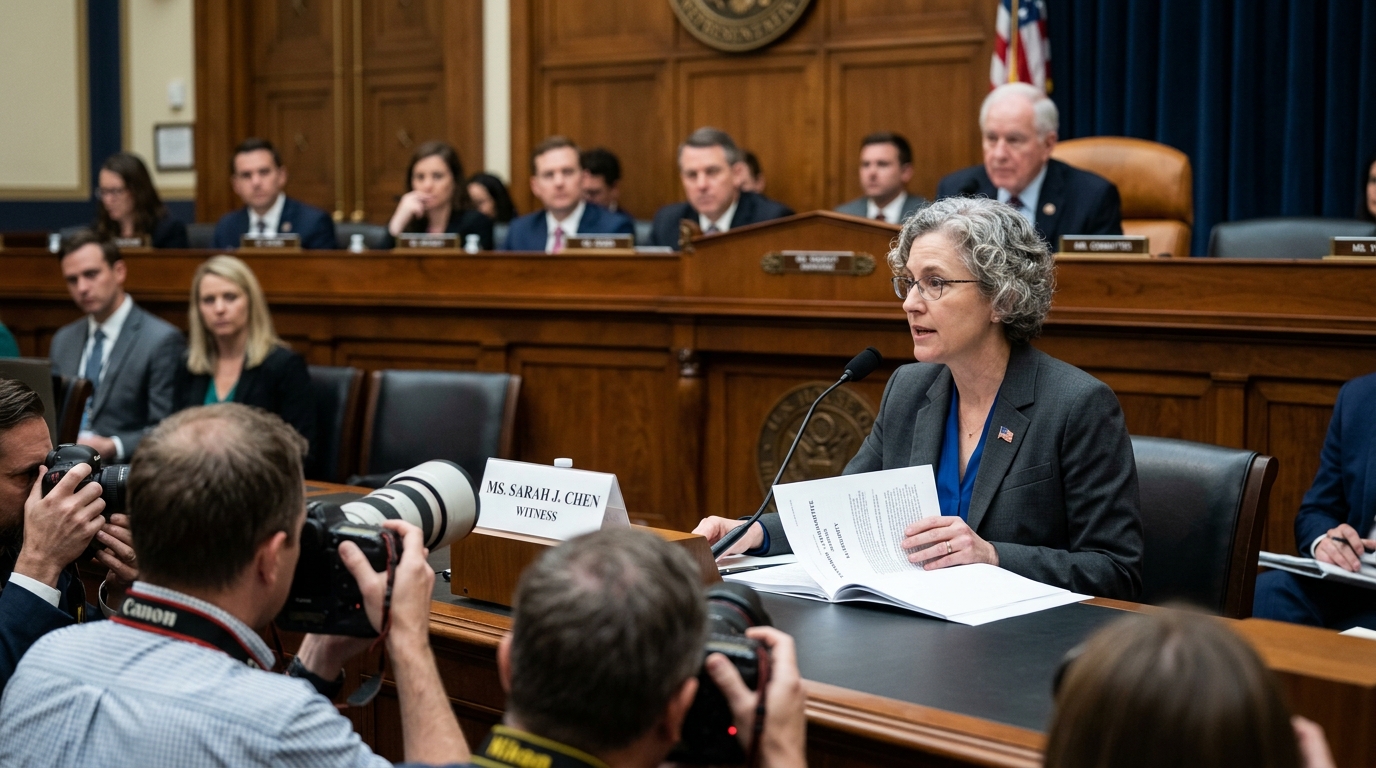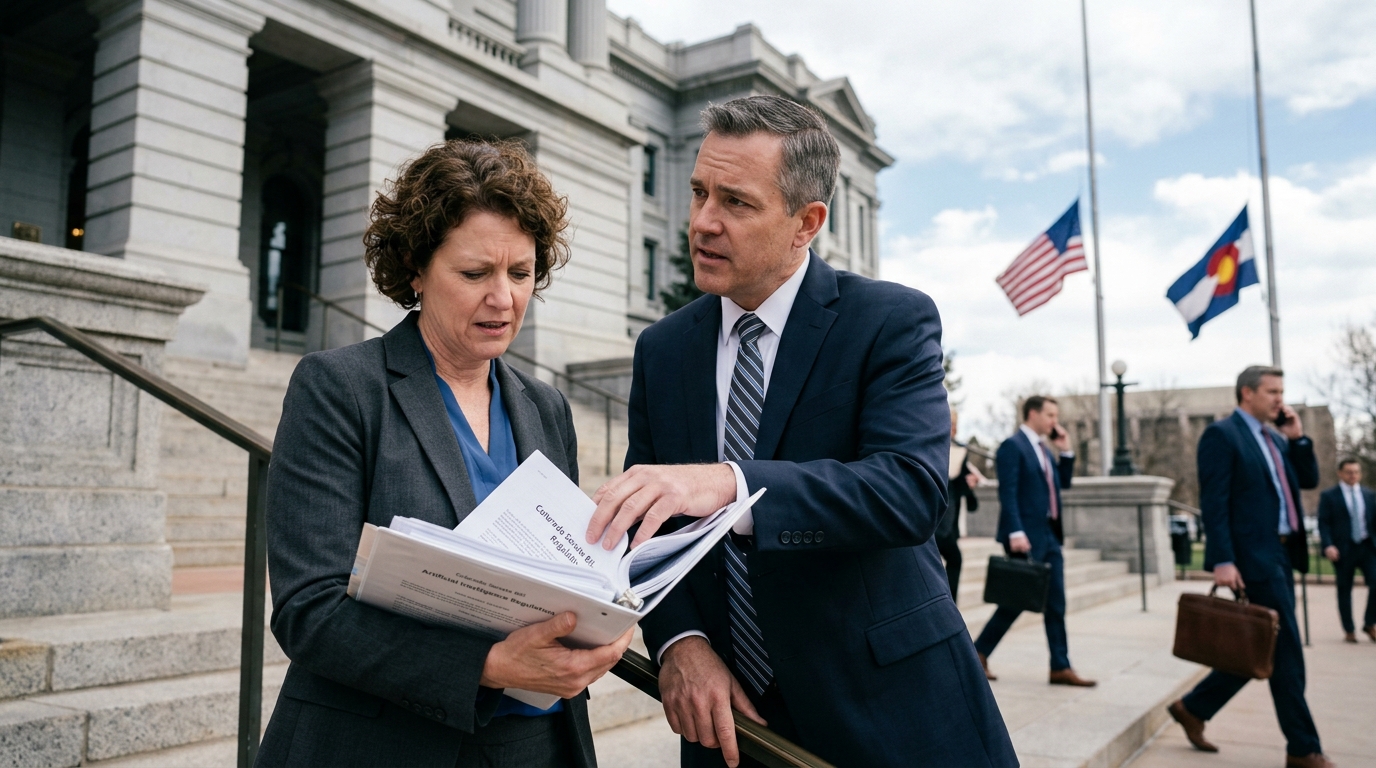
Colorado’s pioneering attempt to lead the United States in artificial intelligence regulation has hit a formidable legal wall. Senate Bill 24-205, once hailed as the most ambitious effort to shield consumers from algorithmic discrimination, is now in a state of judicial limbo. A Denver court has ruled that the law cannot be enforced in its current form, raising profound questions about the future of AI oversight in a country that lacks a unified federal framework. This development is more than a local legal skirmish; it is a pivotal moment in the global struggle to balance technological power with democratic accountability.
The Vision Behind SB24-205
The Colorado law was meticulously crafted to address the "black box" problem of modern technology: the deployment of AI in high-stakes decision-making. From hiring processes and mortgage approvals to healthcare eligibility and educational access, algorithms increasingly dictate life-altering outcomes. SB24-205 aimed to impose a statutory "duty of care" on both developers and deployers of high-risk AI systems, requiring them to proactively prevent algorithmic bias.
Under the statute, companies were mandated to conduct regular impact assessments, provide clear disclosures to consumers, and report instances of discrimination to state authorities. It was a bold attempt to shift the burden of proof from the individual to the corporation, ensuring that automated systems are held to the same ethical and legal standards as human decision-makers. However, the very breadth of this ambition has become its primary legal vulnerability.
Why the Court Intervened
The court’s decision to stay enforcement stems from several critical concerns regarding the law’s clarity and feasibility. The presiding judge noted that the state has yet to establish the technical benchmarks necessary for businesses to comply. Without these specific standards, the "duty of care" remains a vague concept, potentially exposing companies to arbitrary litigation. Industry groups, led by powerful tech lobbies and chambers of commerce, argued that the law’s reporting requirements are overly burdensome and could stifle innovation among smaller startups.
Furthermore, constitutional arguments played a significant role. Opponents of the law argued that mandatory disclosures of algorithmic parameters could infringe upon First Amendment rights and compromise trade secrets. The court acknowledged that while the state’s interest in preventing discrimination is compelling, the current legislative framework lacks the "narrow tailoring" required to survive constitutional scrutiny. This legal impasse highlights the difficulty of regulating a technology that is inherently fluid and proprietary.
National Implications and Political Friction
Governor Jared Polis, who signed the bill in May 2024, did so with a notable lack of enthusiasm. At the time, he issued a signing statement expressing concern that a state-by-state approach to AI regulation would create a confusing and costly "patchwork" for businesses. He urged federal lawmakers to step in, a call that has so far gone unanswered by a gridlocked Congress. The court’s intervention validates Polis’s concerns but leaves a vacuum where consumer protection should be.
- The ruling serves as a warning to other states, such as California and New York, which are considering similar legislative measures.
- Civil rights advocates argue that every day of delay is a day where biased algorithms can continue to harm marginalized communities.
- The tech industry sees the ruling as a victory for "innovation," though critics call it a win for corporate opacity.
The situation in Colorado reflects a broader global trend: the widening gap between the speed of AI development and the pace of legal evolution. While AI models are updated in weeks, legal challenges take years to resolve. This asymmetry favors large tech firms that have the resources to navigate—or delay—complex regulatory environments.
Conclusion: The Path Forward for AI Governance
Colorado’s experience is a cautionary tale for regulators worldwide. Regulating AI requires more than just good intentions; it requires technical precision and a framework that can withstand the rigors of constitutional law. While the court’s stay may allow for a more refined version of the law to emerge, it also demonstrates the sheer power of the tech lobby in resisting oversight. As we move further into 2026, the question remains whether democratic institutions can ever truly catch up to the algorithms they seek to govern, or if the digital frontier will remain a lawless space for the foreseeable future.