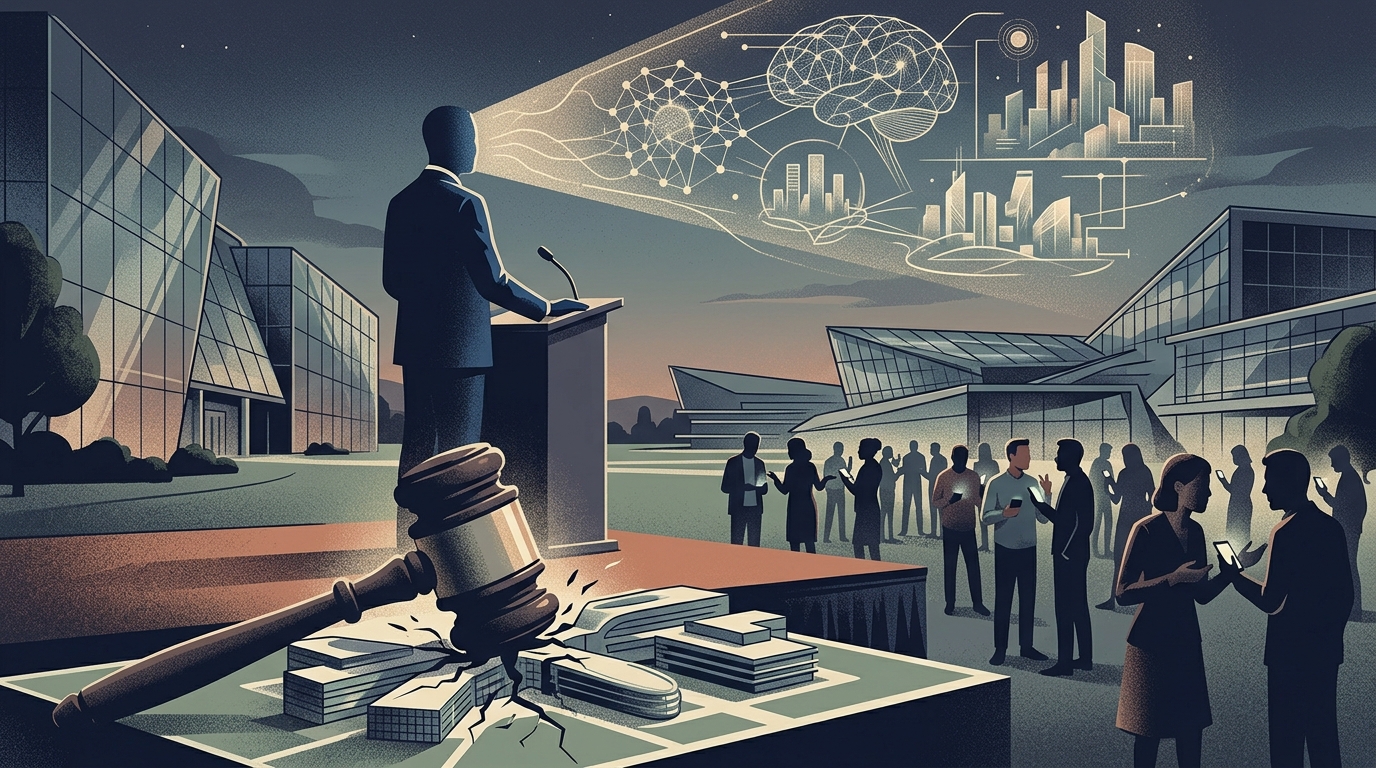
The courtroom in San Francisco is no foreign territory for Elon Musk. However, the first day of his highly anticipated trial against Sam Altman and OpenAI left a lingering sense of dissonance. The man who promises to colonize Mars and link the human brain to computers appeared on the witness stand not as the visionary "Technoking," but as a rather unprepared and petty litigant. The case, which focuses on the alleged breach of an original "founding agreement" to keep OpenAI a non-profit, open-source entity, seems to be devolving into a personal vendetta that may be overshadowing the legal arguments at hand.
A Loss of Charisma and the Strategy of Pettiness
In previous legal battles, such as the 2019 defamation trial, Musk managed to charm jurors with his disarming, albeit idiosyncratic, humor. This time, the image was starkly different. According to observers, Musk appeared "flat," often defensive, and at times inaccurate regarding his own past communications. OpenAI’s defense team, led by seasoned litigators, wasted no time in highlighting his contradictions. Emails from 2018 were presented where Musk himself suggested merging OpenAI with Tesla, a move that would have made it de facto for-profit under his direct control.
This contradiction is Musk’s "Achilles' heel." He accuses Altman of betraying the "open" spirit of artificial intelligence for the sake of Microsoft’s billions, while evidence suggests he too recognized the need for massive capital that only a for-profit structure could attract. His courtroom presence on day one did little to dispel these impressions. Instead of focusing on the existential risks of closed AGI (Artificial General Intelligence) for humanity, he spent time on trivialities regarding who came up with the company's name and who contributed more in the early days. This lack of focus could be detrimental to a case that relies heavily on moral high ground.
The Legal Void of the "Founding Agreement"
The central issue of the trial remains the existence—or lack thereof—of a binding contract. Musk contends there was a "Founding Agreement" stipulating that OpenAI would develop AGI for the benefit of humanity rather than profit. However, OpenAI insists there is no signed document bearing that title or containing those terms as legal obligations. Under cross-examination, Musk struggled to define exactly when and in what form this agreement was finalized, beyond general discussions and email exchanges.
OpenAI’s legal team is employing a strategy of "myth-busting." They portray Musk as a disgruntled former investor who left when he wasn't granted total control and is now attempting to sabotage a successful competitor. The absence of a written contract makes Musk’s case exceptionally difficult, as California contract law requires clear terms and mutual consent. Musk’s "unprepared" performance bolstered OpenAI’s argument that the lawsuit lacks substance and is driven by personal bitterness rather than a breach of legal duty.
Implications for the Future of AI
Beyond the courtroom drama, this trial has massive implications for the AI ecosystem. If Musk prevails, it could force OpenAI to open-source its models and restructure its relationship with Microsoft, an outcome that would cause an earthquake in the tech markets. However, if the pattern of the first day continues, OpenAI will emerge strengthened, having effectively legitimized its transition into a global tech powerhouse.
Musk's stance reflects a deeper identity crisis within the industry. On one hand, there is the idealism of "open" technology meant to save the world; on the other, the harsh reality of computing costs requiring billions of dollars. Musk, attempting to play both roles, seems to be caught in his own contradictions. The trial is expected to last several weeks, but the start was far from ideal for the man who wishes to be seen as the guardian of humanity's future. History will decide if this performance was merely a bad day or the exposure of a fundamentally weak legal argument.