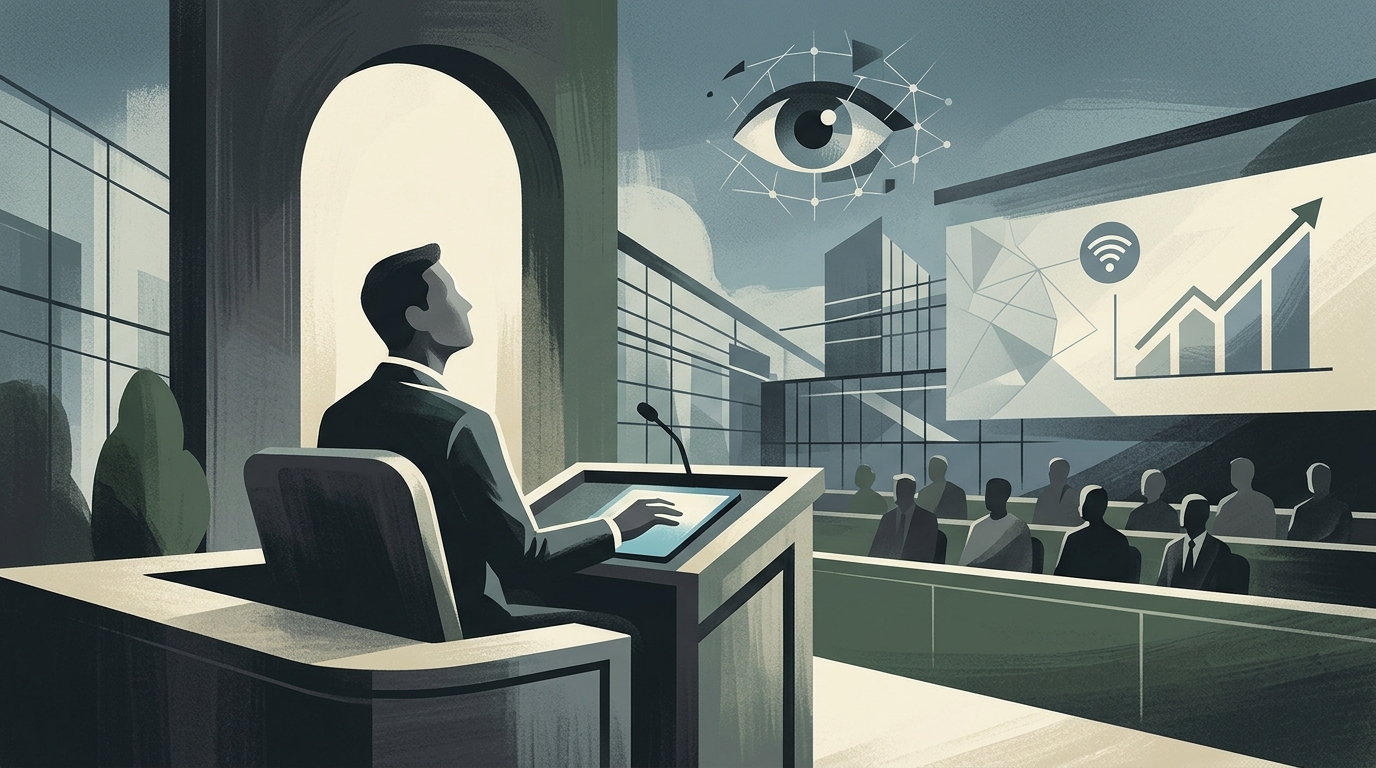
The courtroom in San Francisco became the epicenter of the technological world this week as Greg Brockman, President and co-founder of OpenAI, took the witness stand. The trial, sparked by Elon Musk's lawsuit against the company he helped found, is not merely a corporate dispute; it is an existential battle over the definition of "open" artificial intelligence and the ethical obligations of its creators to humanity. Brockman, known for his technical prowess and mild-tempered demeanor, faced grueling questions regarding OpenAI's departure from its non-profit roots.
The Mystery of the "Founding Agreement"
Elon Musk's central argument hinges on the existence of a "Founding Agreement" which stipulated that OpenAI would remain a non-profit organization developing Artificial General Intelligence (AGI) for the benefit of the public, keeping its code open-source. During his testimony, Brockman vehemently contested the existence of such a formal document. He argued that while the intention was always to benefit humanity, the methods for achieving that goal had to evolve.
According to Brockman, the reality of AI development—specifically the staggering cost of compute power—rendered the original model unsustainable. "You can't save the world if you can't pay your electricity bills," he implied, highlighting that the transition to a "capped-profit" structure was a survival necessity rather than a betrayal of ideals. Musk's legal team, however, presented old emails where Brockman and Sam Altman assured Musk of the venture's "open" nature, painting a picture of a moral commitment that, while perhaps not legally binding, remains politically and reputationally explosive.
The Microsoft Relationship and the Ghost of AGI
One of the most critical points of the testimony concerned the definition of AGI and how it impacts the partnership with Microsoft. OpenAI’s agreement with the tech giant specifies that Microsoft has rights to OpenAI’s technology *until* the latter achieves AGI. From that point onward, the technology belongs exclusively to the non-profit arm of OpenAI.
Brockman was pressed to answer whether GPT-4 or its successors are approaching this threshold. The ambiguity of his responses was telling. If OpenAI admits it is nearing AGI, it risks losing Microsoft’s funding. If it denies it, it is accused by Musk of downplaying its achievements to keep the capital flowing. Brockman described AGI as a "moving target," a stance that underscores the difficulty of the legal system in keeping pace with technological acceleration. OpenAI’s strategy appears to be maintaining a gray zone where the technology is advanced enough to attract investors but not "intelligent" enough to trigger independence clauses.
The Musk Role: Benefactor or Obstacle?
The testimony also shed light on the internal dynamics of the early years. Brockman revealed that Musk had at one point proposed merging OpenAI with Tesla, arguing that OpenAI could never compete with Google without the resources of a major corporation. This revelation serves as a powerful counter-argument to Musk’s accusation of "selling out" to corporate interests, as it suggests the plaintiff himself had contemplated similar paths.
- Absence of a written contract: Brockman insisted there was never a signed "Founding Agreement" with the terms Musk describes.
- The need for capital: The shift to profit was presented as the only way to acquire the GPUs necessary for model training.
- Safety vs. Transparency: Brockman argued that "closing" the code was a safety measure to prevent misuse of powerful AI by bad actors.
Conclusions and Implications
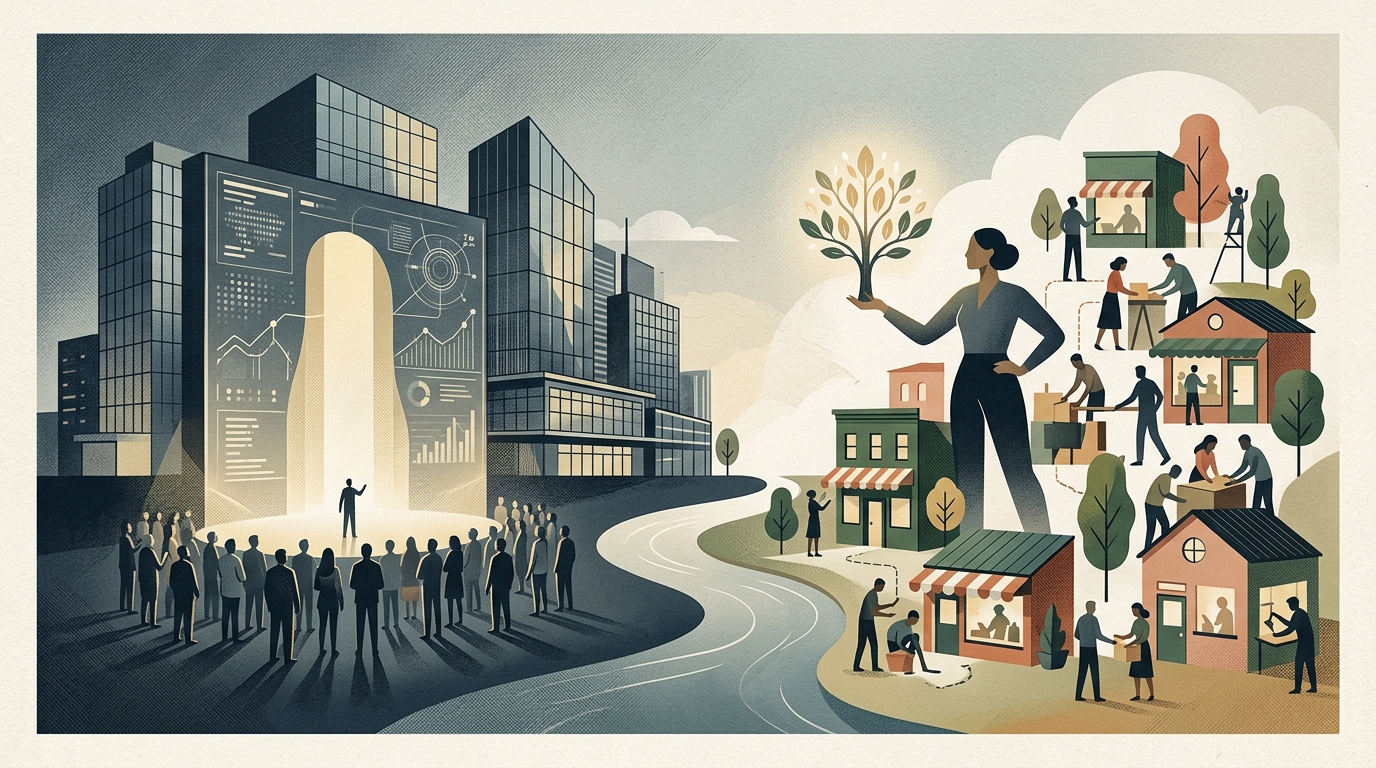
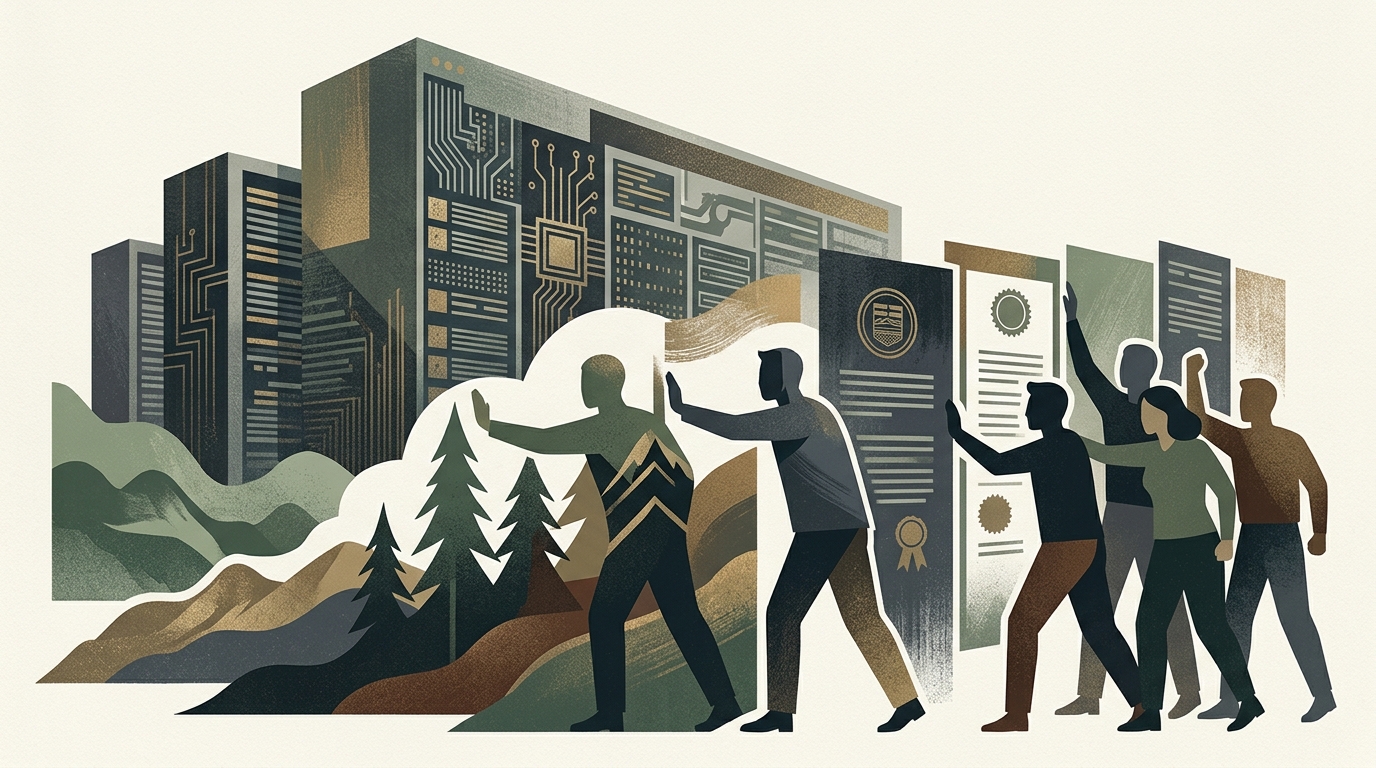
This trial is not just about the past, but about the future of AI governance. Brockman’s testimony highlighted the chasm between the romantic vision of "open science" and the harsh reality of Silicon Valley capitalism. If the court rules in favor of Musk, OpenAI could be forced to open-source its models, which would cause an earthquake in the market and jeopardize its relationship with Microsoft. If OpenAI wins, it will solidify a model where private companies can self-identify as "charitable" while operating under terms of absolute profit. Brockman’s testimony was a balancing act, attempting to convince the world that the mission remains the same, even if the path toward it has been paved with billions of dollars and closed doors.