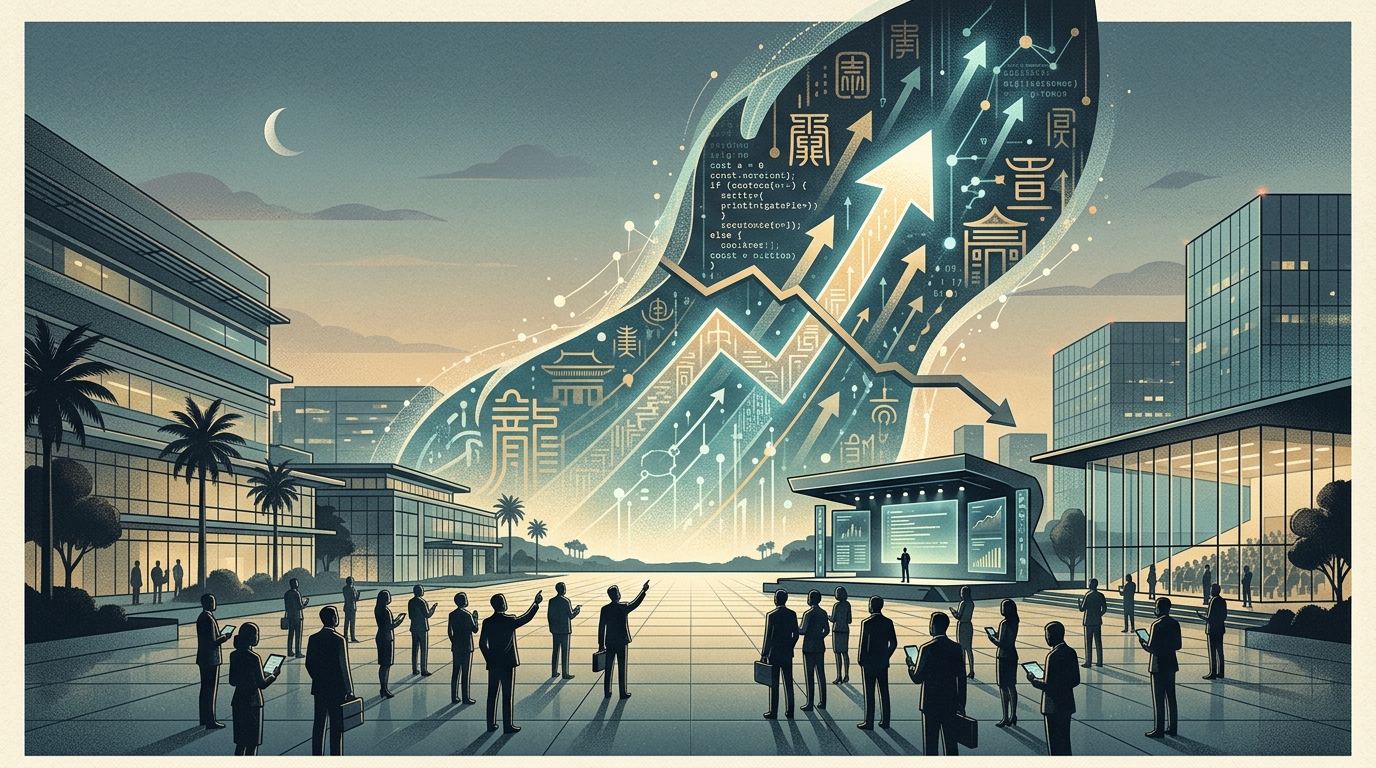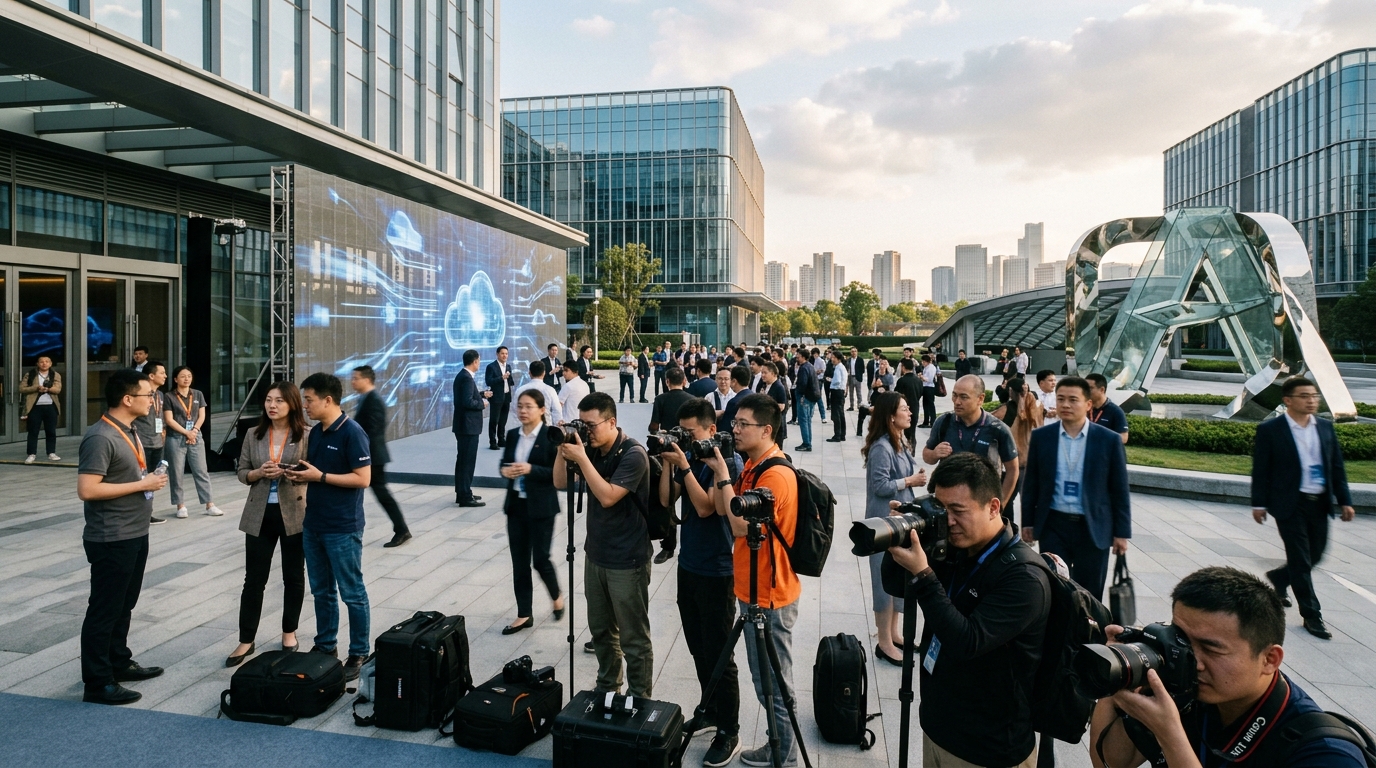
In the rapidly evolving landscape of technological infrastructure, the Asia-Pacific (APAC) region has emerged as the primary battlefield for cloud computing dominance. According to the latest market data, Alibaba Cloud, the technology arm of the Alibaba Group, is not only maintaining its lead but significantly strengthening its footprint in the Infrastructure-as-a-Service (IaaS) sector. The driving force behind this consolidation is the explosive demand for Generative AI, which is compelling regional enterprises to seek unprecedented levels of computational power.
AI as the Growth Catalyst
The shift from traditional cloud computing to "AI-native" cloud is now a reality. Alibaba Cloud successfully identified the early need for specialized infrastructure capable of supporting Large Language Models (LLMs). With the introduction of its proprietary model, Tongyi Qianwen, and the provision of Model-as-a-Service (MaaS) platforms, the company offers a comprehensive solution that local businesses find more accessible and tailored to their needs compared to the offerings of American tech giants.
In a region where digitalization is progressing at rates faster than the global average, Alibaba Cloud has invested billions in local data centers across countries such as Malaysia, Indonesia, and Thailand. This "localization" strategy allows it to offer lower latency and more easily comply with local data protection regulations—a persistent challenge for AWS and Microsoft Azure in the same territories.
"The battle for the cloud in Asia is no longer just about data storage; it's about who can provide the most efficient intelligence at the most competitive price," market analysts suggest.
Geopolitical Hurdles and Alibaba's Response
Despite its success, Alibaba Cloud is navigating a minefield of geopolitical tensions. US restrictions on the export of advanced semiconductors (such as Nvidia's H100 cards) to China could theoretically stall its growth. However, the company has demonstrated remarkable adaptability. By investing in its own Yitian processors, based on the ARM architecture, Alibaba is striving to reduce its reliance on Western technology.
Furthermore, its strategy for open-source AI has attracted thousands of developers across Asia. By offering access to powerful models via the ModelScope platform, Alibaba is creating an ecosystem that is difficult to leave, reminiscent of the strategy Google employed with Android. This ecosystem serves as a bulwark against competition, as customers are not just buying compute power but are integrating into a complete innovation architecture.
- Infrastructure: Expansion to 30 regions globally, with a focus on emerging Southeast Asian markets.
- Cost: Aggressive price cuts of up to 50% on core services to attract startups.
- Innovation: Integration of AI at every level of the stack, from hardware to software.
Competition and the Future of the Market
AWS and Microsoft are not remaining idle spectators. Both companies have announced multibillion-dollar infrastructure investments in Japan and Singapore. However, Alibaba Cloud possesses the advantage of cultural and business proximity to South Asian markets. Its ability to offer solutions that combine e-commerce, payments, and cloud into a single package is something Western competitors struggle to replicate.
Looking toward the end of 2026, the IaaS market in Asia is expected to undergo further concentration. Alibaba Cloud aims to become the de facto provider for "AI-first" business. If it can overcome hardware procurement obstacles and continue to innovate at the algorithmic level, its dominance in the region will be hard to challenge. The stakes are not just market share, but control over the digital backbone of the world's most dynamic economic region.
In conclusion, Alibaba Cloud is transforming from an infrastructure provider into an orchestrator of intelligence. Its success will depend on the balance between technological autonomy and global collaboration in a world that is becoming increasingly digitally fragmented.