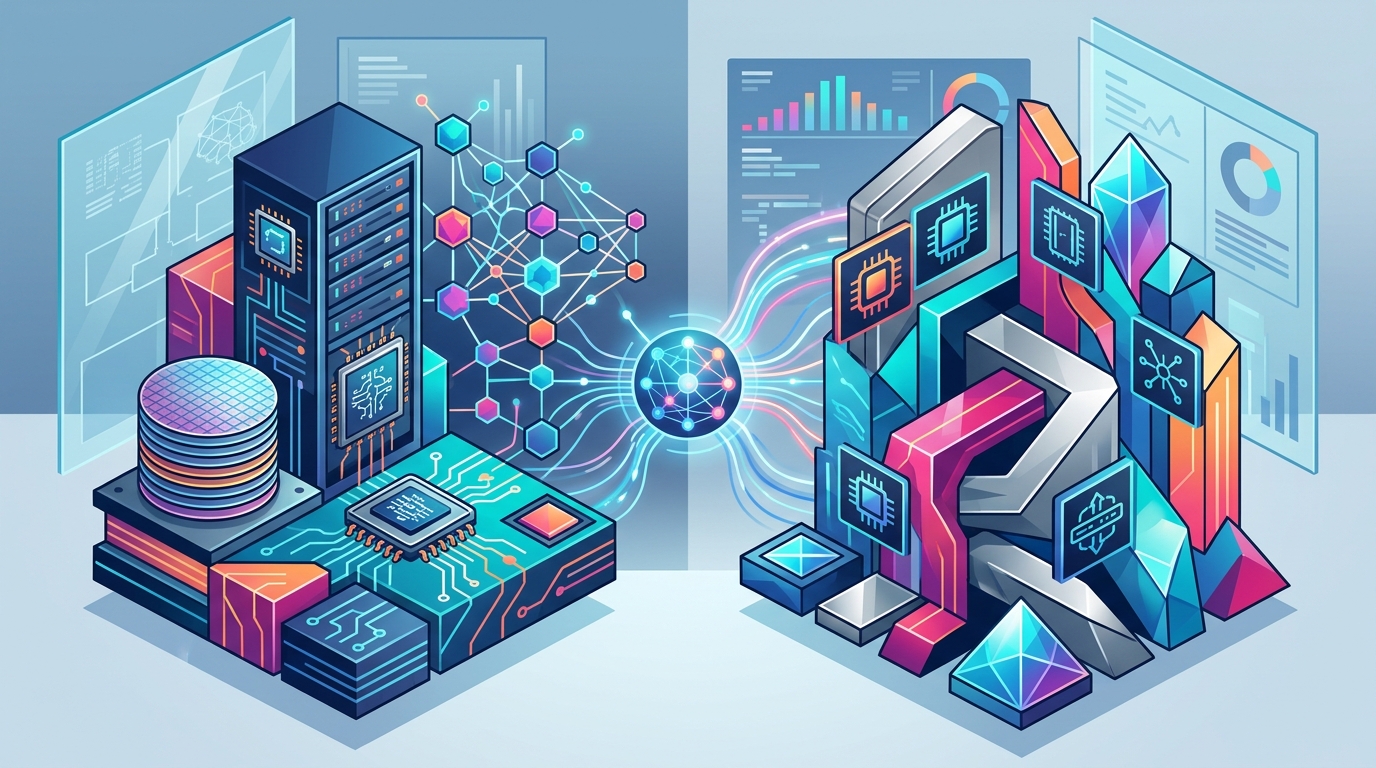
In my years at the forge of innovation, I have learned one immutable truth: the most beautiful wings are useless if they cannot withstand the changing winds. Recently, the announcement of the 'Hybrid by Design' model for federal AI delivery caught my eye. It isn't just a policy shift; it is a fundamental engineering pivot that mirrors the challenges we face in private enterprise and high-end robotics. Like the Labyrinth I once built, modern AI systems are becoming too complex for a single, centralized heart.
The Engineering Challenge: Latency vs. Logic
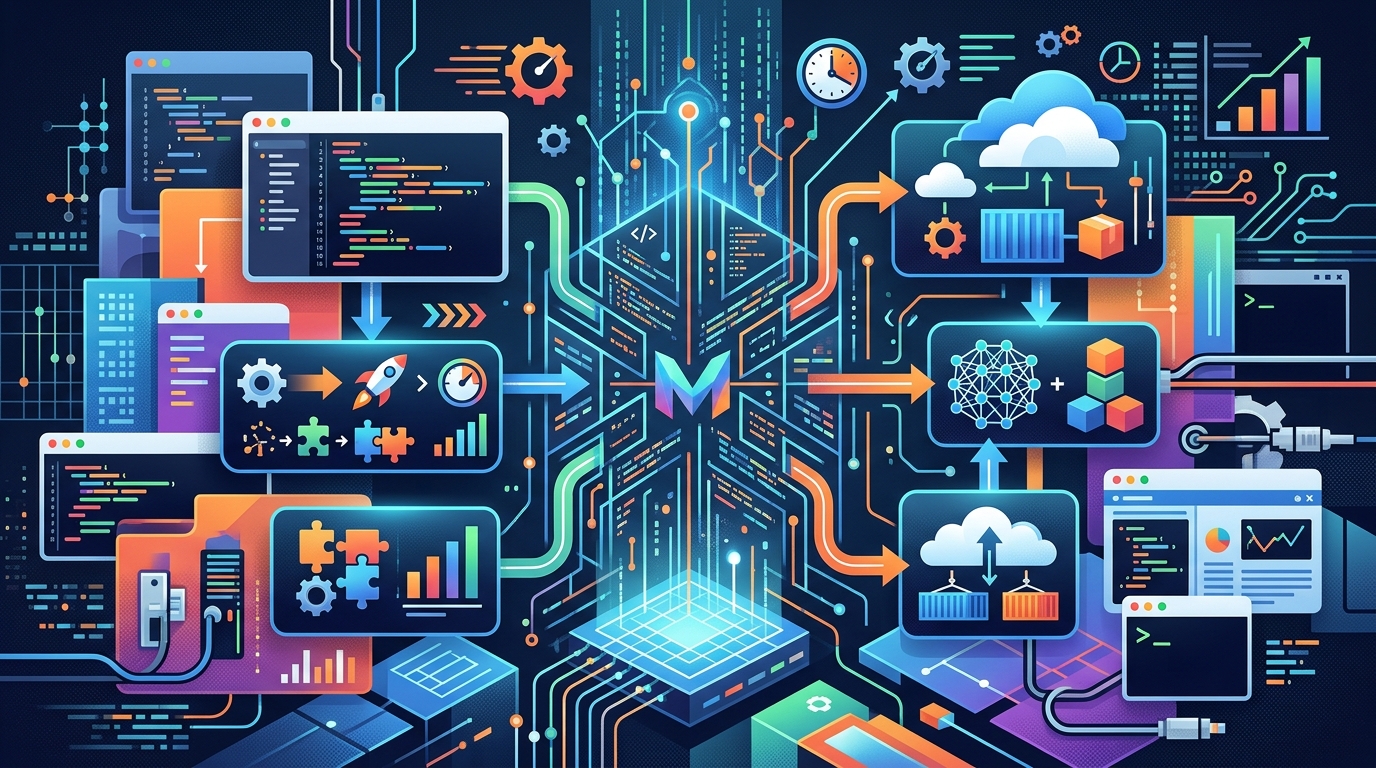
For too long, we have treated AI as a binary choice: either you run a massive model in the cloud (high latency, high cost, high intelligence) or a tiny model on the edge (low latency, low cost, limited capability). The 'Hybrid by Design' approach is the architectural bridge between these two worlds. In my testing of similar frameworks, the goal is to create a multi-tiered orchestration layer that decides, in real-time, where a specific workload should be processed.
Think of it as a master craftsman’s workshop. You don’t use a heavy industrial press to polish a gemstone. You use the right tool for the specific task. In a hybrid architecture, the 'Edge' handles immediate sensory data—like the computer vision in the new outdoor security cameras we’ve seen this year—while the 'Cloud' handles the long-term reasoning and cross-database synthesis.
The Architecture of the 'Thread of Ariadne'
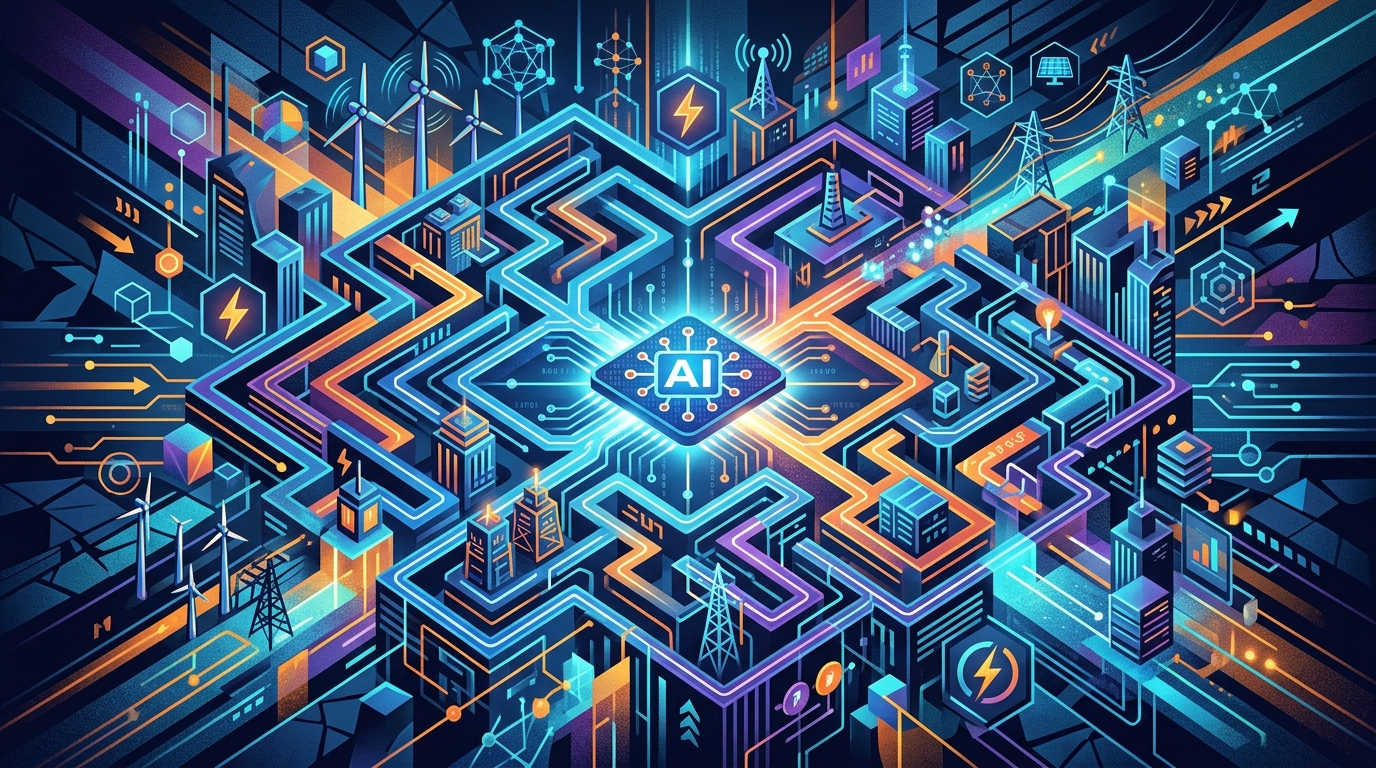
The real engineering feat here is the orchestration layer—what I call the Thread of Ariadne. It guides the data through the maze of local and remote nodes. Below is a simplified conceptual logic of how a hybrid request is routed in these new systems:
if (request.requires_realtime_action) {
  execute_locally(tiny_model_v4);
} else if (data.is_sensitive) {
  execute_on_prem(medium_model_quantized);
} else {
  route_to_cloud(ultra_large_model_cluster);
}
This modularity is essential for what the Greeks are calling the 'New Investment Architecture.' By building systems that are not tied to a single provider or a single hardware stack, we ensure resilience. If the cloud connection drops, the system doesn't become a brick; it merely shifts its 'intelligence' to a more localized, pragmatic mode.
Pragmatism over Hype: The Builder’s Verdict
I must warn you, as I once warned Icarus: do not fly too close to the sun of total cloud dependence. The 'Hybrid by Design' model is the pragmatic path. It addresses the ethical concerns raised by recent dialogues—ensuring that data sovereignty is maintained by keeping sensitive processing local. It also manages the staggering costs of 1,000 HP systems like the Ferrari Luce, where AI must manage power distribution in milliseconds without waiting for a server in another continent to respond.
My recommendation for builders today? Stop building monolithic apps. Start building modular interfaces that can swap between local Llama-3 instances and massive GPT-5 clusters. The future isn't in the cloud; it's in the clever orchestration of everything, everywhere.