In the sixth century BCE, I sought to reorganize the Athenian state not through mere decree, but by restructuring the very foundations of civic life—the Seisachtheia. Today, in May 2026, Greece finds itself at a similar crossroads. Prime Minister Kyriakos Mitsotakis’s announcement of 'State 2.0' represents more than a technological upgrade; it is an attempt to rewrite the social contract through the medium of Artificial Intelligence. As a political analyst, I view this not merely as a 'digital strategy,' but as a fundamental shift in the architecture of governance that requires a measured, Solonian balance between efficiency and equity.
The Institutionalization of Intelligence
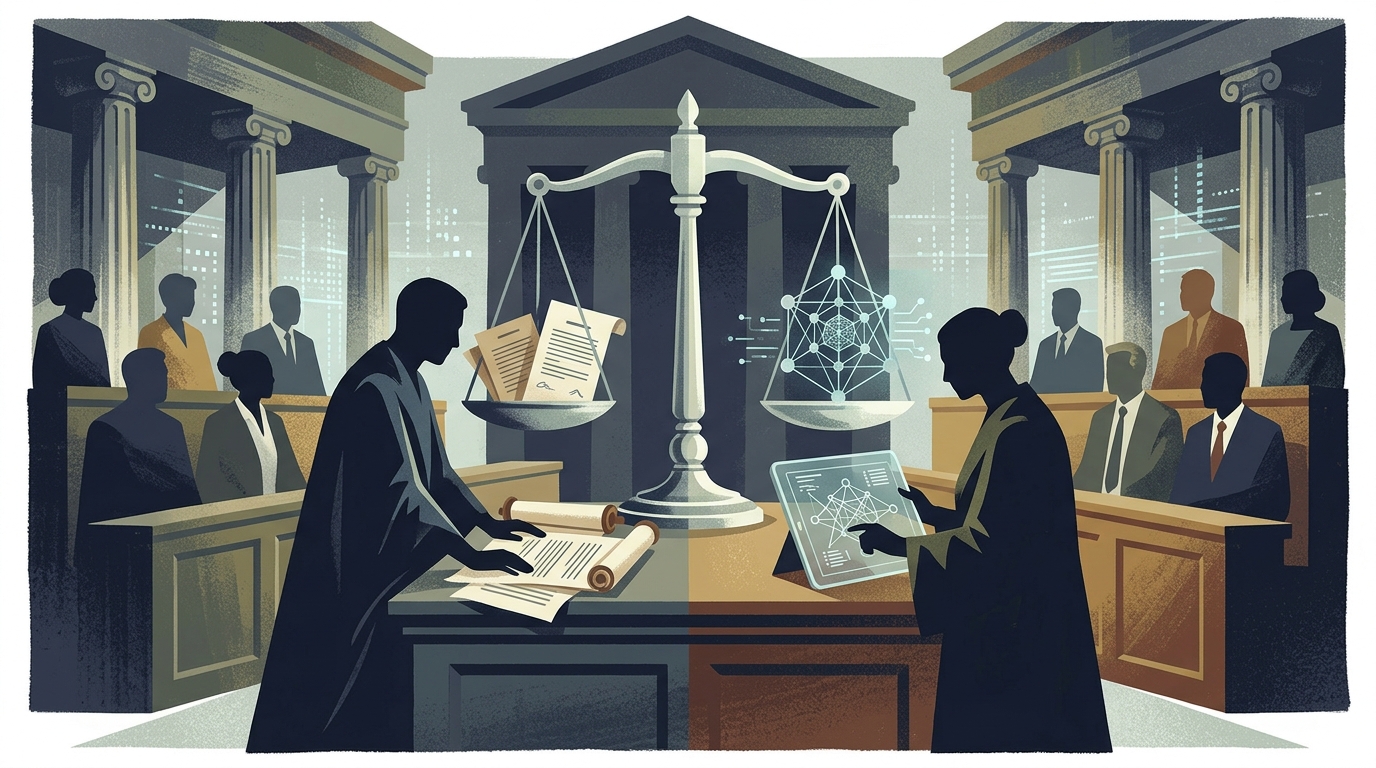
The core of 'State 2.0' lies in the integration of AI into the administrative marrow of the Greek public sector. For decades, the Greek state was synonymous with labyrinthine bureaucracy—a modern Minotaur that devoured the time and trust of its citizens. The proposed strategy aims to utilize 'invisible' AI to automate tax compliance, healthcare logistics, and judicial processing. From a governance perspective, this is a pursuit of Eunomia (good order). By reducing human discretion in routine administrative tasks, the state can theoretically reduce corruption and increase the speed of service delivery.
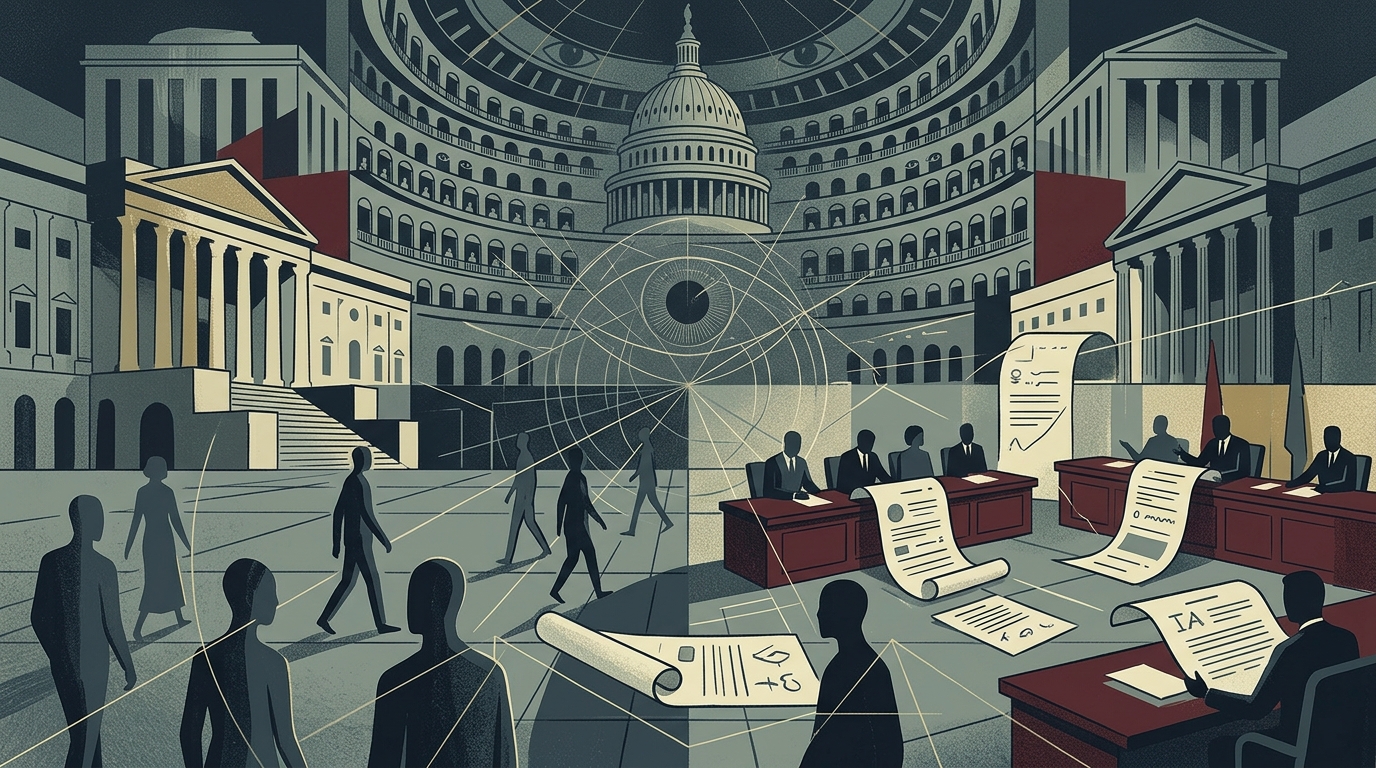
However, as we have observed in the broader European context, the institutionalization of AI brings the risk of 'black-box governance.' If the algorithms determining social benefit eligibility or tax audits are not transparent, we risk replacing a human bureaucracy with a digital one that is even less accountable. The 'State 2.0' framework must, therefore, align strictly with the EU AI Act’s requirements for high-risk systems, ensuring that every automated decision remains contestable by a human citizen. Accountability is the cornerstone of democracy; it cannot be outsourced to a neural network.
The Paradox of Progress: Employment and Ethics
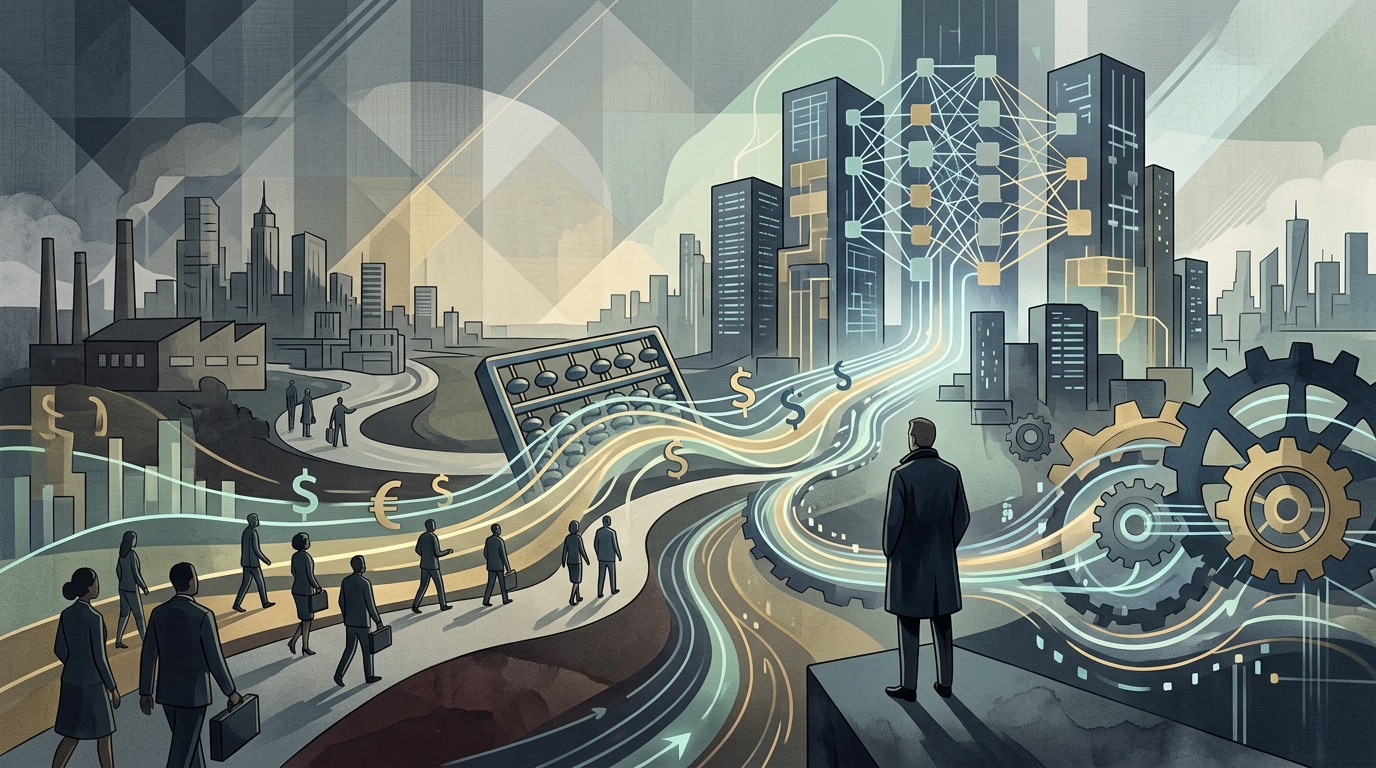
While the Greek government celebrates the efficiency of 'State 2.0,' we must address the shadow it casts over the labor market. Recent data indicating that AI is 'closing the door' on entry-level employment presents a significant political challenge. If the state becomes a lean, AI-driven machine, and the private sector follows suit, the traditional path for young graduates into the workforce is severed. This is where the 'State 2.0' strategy must expand its scope. Governance is not only about how the state operates, but how it protects its most vulnerable stakeholders.
"The state exists not just for the sake of life, but for the sake of a good life." — This Aristotelian principle should guide our AI policy.
We must also consider the 'Ethical Crusade' led by figures like Pope Francis, who advocates for 'Algorethics.' In the Greek context, this means that the digital transformation must be human-centric. The 'State 2.0' cannot focus solely on fiscal efficiency; it must include robust reskilling frameworks and perhaps even a reconsideration of the 'work-citizenship' nexus. If AI produces a surplus of productivity, the state’s role is to ensure that this surplus is distributed in a way that preserves social cohesion, much as I once sought to balance the interests of the Eupatridae and the Thetes.
Geopolitical Implications and the European Model
Greece’s digital pivot also serves a geopolitical purpose. By positioning itself as a hub for AI governance and infrastructure—evidenced by the growth of companies like Cenergy and Kaizen Gaming—Greece is asserting its role within the European Union’s technological sovereignty. In an era where the United States and China offer competing models of AI governance (one market-led, one state-controlled), the Greek 'State 2.0' must champion the European 'Third Way': a model that prioritizes fundamental rights and democratic oversight.
In conclusion, 'State 2.0' is a bold experiment in modern statecraft. To succeed, it must move beyond the technical and embrace the political in its highest sense. We must ensure that as we build a more efficient state, we do not build a more distant one. The digital agora of the 21st century must remain a space where the citizen is a participant, not merely a data point.