In an era where user attention is the most valuable currency in the digital economy, YouTube is making a strategic move that promises to reshape how we consume live content. The Google-owned platform has announced the integration of sophisticated Artificial Intelligence (AI) tools that will automatically identify "top moments" in live streaming broadcasts, allowing viewers to jump to the most interesting points without the presence of advertisements. This move is not merely a technical upgrade but a profound shift in the platform's business model, aimed at combating "data fatigue" and enhancing user engagement.
The Technology Behind Content Curation
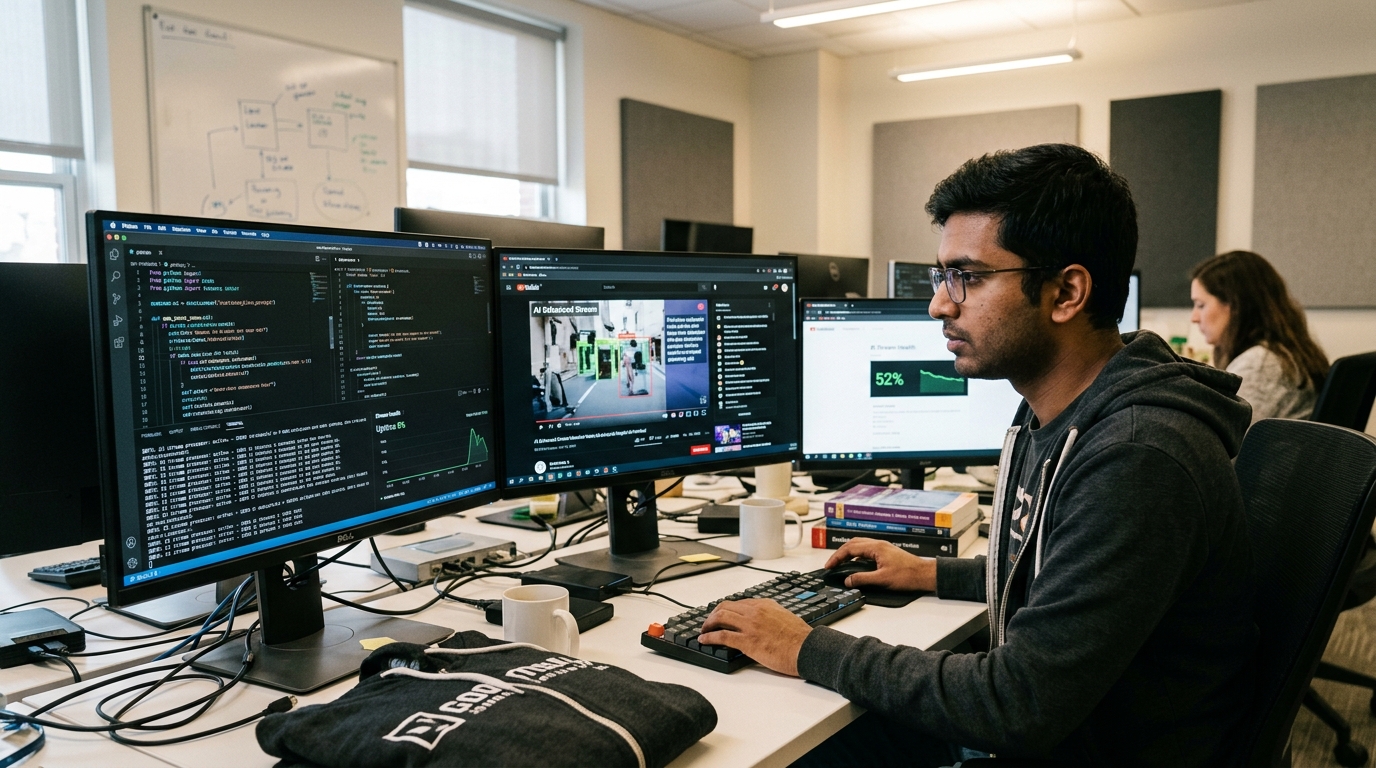
The process of identifying top moments relies on multimodal AI models that simultaneously analyze multiple data sources in real-time. The AI doesn't just "see" the video; it analyzes chat dynamics (message velocity, emoji usage), fluctuations in audio levels, changes in visual scenes, and even biometric data inferred from audience reactions. When a streamer scores a spectacular goal in a video game or when a political analyst makes a significant revelation, the system recognizes the peak in activity and automatically creates a "chapter" or a highlight clip.
The impressive factor is the speed at which this processing occurs. While in the past, creating highlights required hours of manual editing by the creator or their team, AI now functions as an invisible director, preparing content for viewers who join the broadcast late. This allows YouTube to compete directly with TikTok and Instagram Reels by offering "condensed" information from long-form live streams that often last over four hours.
The "Ad-Free" Strategy
The decision to offer these moments without ads initially seems counterintuitive for a giant that thrives on advertising revenue. However, trend analysis shows that YouTube's biggest enemy is platform abandonment (churn). Users often leave a live stream if they feel they are "wasting time" waiting for the action to start. By offering a seamless, ad-free experience for highlights, YouTube increases the overall dwell time of the user on the platform. The strategy is clear: sacrifice the small profit of a 15-second ad to keep the user "locked" into the ecosystem for an additional 30 minutes.
Furthermore, this approach creates a new kind of "premium" feel for all users, not just YouTube Premium subscribers. It serves as a teaser for the content's quality, encouraging the viewer to watch the rest of the stream, where ads will resume as normal. It is a psychological tactic that transforms passive viewing into an active search for peak moments.
Competition and the Future of Creators
Competition with Amazon's Twitch is the primary driver behind these developments. Twitch remains the king of live streaming but lags significantly in content discoverability after the live broadcast ends. YouTube, leveraging Google's dominance in AI, offers creators a tool that transforms their archival material into live, searchable, and digestible content effortlessly. This provides a massive advantage to content creators, as their content's "shelf life" grows and the longevity of each video is extended.
However, there are concerns. Many creators worry that AI might select moments that do not represent their vision or might remove the context from a conversation, leading to misunderstandings. Automated curation removes the "human touch" and the emotional intelligence required to understand if a moment is truly significant or if it's just noise that confused the algorithm. Nevertheless, the direction is irreversible: live streaming is now becoming a dynamic product reshaped in real-time by machine intelligence.