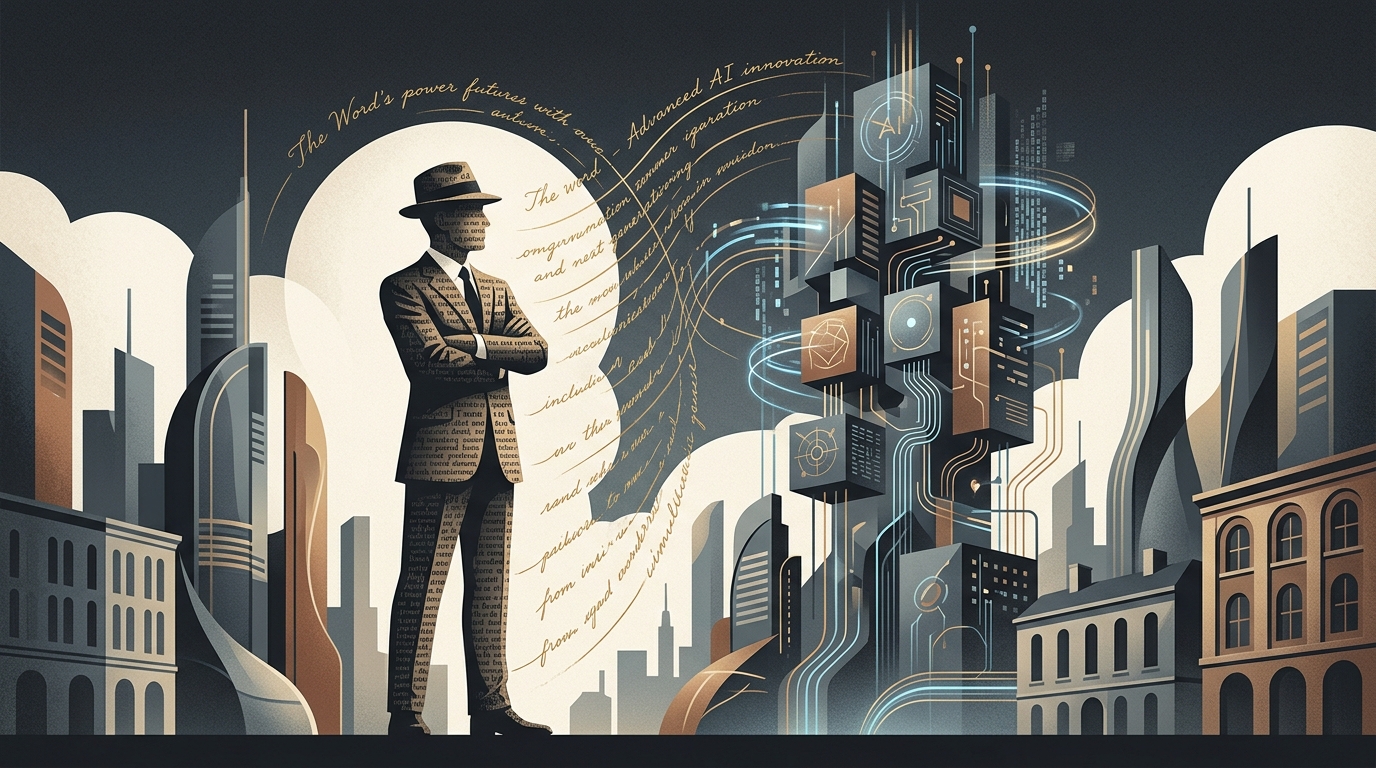
In the heart of the technological revolution sweeping through China, Alibaba Cloud has made a move that transcends the narrow boundaries of code and parameters. The introduction of "Qwen Dimples" (known in China as the personified face of Tongyi Qianwen) is not merely the addition of a digital mask to a Large Language Model (LLM). It is a strategic attempt by Alibaba to unify its fragmented ecosystem of services under a common, recognizable, and, above all, approachable identity.
The Strategy of Humanized Technology
Qwen Dimples arrives at a critical juncture. As users worldwide begin to experience fatigue from faceless chatbots, the need for "Embodied AI" is becoming imperative. The name "Dimples" was not chosen by chance. It evokes a sense of familiarity, friendliness, and innocence—elements essential to breaking down consumer resistance to omnipresent artificial intelligence.
Through this avatar, Alibaba Cloud seeks to create a connective tissue between its various applications: from DingTalk (the enterprise communication platform) to e-commerce services and cloud computing. Qwen will no longer be just a text-generation tool, but a digital assistant with a visual presence, capable of expressing emotions through facial micro-expressions, making interaction feel more natural.
Ecosystem Unification and Multimodality
The true depth of Qwen Dimples lies in its multimodal nature. This is not a static graphic, but an interface powered by the most sophisticated models in the Qwen series. This means the avatar can "understand" visual stimuli, analyze the user's body language (via camera), and respond with synchronized speech and movement.
- Brand Consistency: Using a single avatar helps Alibaba build a strong brand image against competitors like Baidu (Ernie Bot) and Tencent.
- User Experience: Moving from text to voice and visuals reduces the cognitive load on users.
- Enterprise Applications: Qwen Dimples can act as a digital ambassador for companies using Alibaba Cloud infrastructure, providing customer service that feels authentically human.
"AI doesn't just need to be smart; it needs to be socially integrated. With Qwen Dimples, we are bridging the gap between computational power and human emotional intelligence," stated Alibaba Cloud executives during the launch.
Competition in the Chinese Market
Alibaba’s move is a direct response to the aggressive expansion of ByteDance (owner of TikTok) into the AI agent space. The Chinese market is particularly receptive to digital characters and virtual idols, a trend already established in marketing and entertainment. Integrating Qwen Dimples into the Alibaba ecosystem gives the company an advantage: the ability to turn an abstract technology into a "friend" or "colleague" that users want to interact with daily.
However, the challenge remains privacy and the ethical use of data. As the avatar requires access to more senses (such as the camera and microphone for the best experience), Alibaba will have to convince the public that Qwen’s "friendly" appearance does not come with intrusive surveillance.
Conclusion: Toward a New Era of Interfaces
The introduction of Qwen Dimples marks the end of the era of "naked" algorithms. In the future, the success of an AI model will be judged not only by benchmarks and processing speed but by its ability to build relationships of trust with humans. Alibaba is betting that a smile with dimples might be the most powerful weapon in the war of the tech giants.