The Intellectual Property (IP) industry is at a critical crossroads. For decades, patent drafting and prior art searching were laborious, manual processes requiring hundreds of hours from specialized attorneys and engineers. Today, the advent of Generative AI is not just changing the workflow; it is redefining the very nature of legal practice in the patent domain.
Automating Drafting and Enhancing Precision
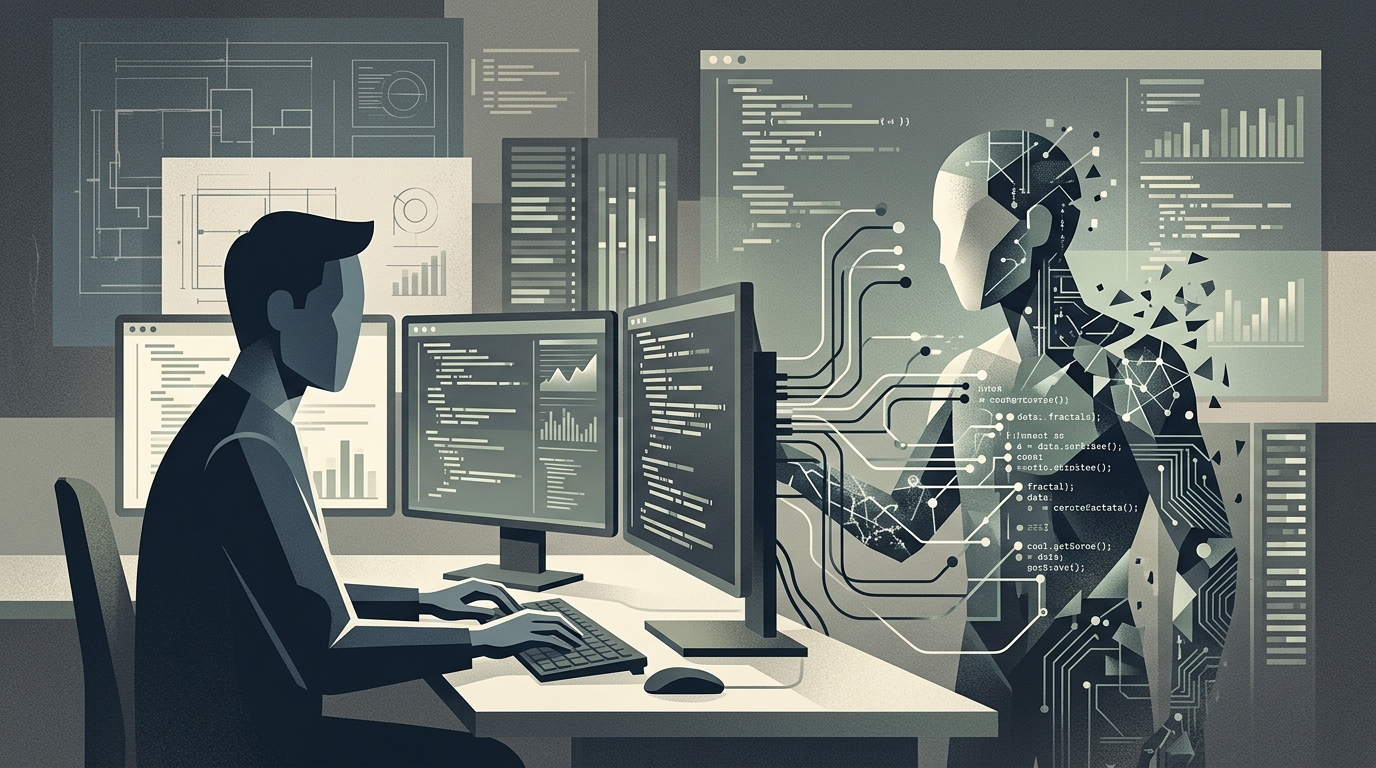
Successful practitioners no longer view AI as a threat, but as a 'co-pilot.' According to recent insights from IPWatchdog, utilizing AI tools for drafting technical descriptions and claims allows attorneys to focus on strategy rather than bureaucracy. AI systems can analyze technical disclosures and suggest phrasings that are legally robust and technically accurate, dramatically reducing the time required for a first draft.
- Claim Analysis: AI can check for consistency between claims and the specification, identifying terminology mismatches that could lead to rejections from examiners.
- Prior Art Searching: Traditional search tools relied heavily on keywords. AI utilizes semantic search, understanding the context of an invention and identifying relevant documents that traditional methods might overlook.
However, success does not lie in blind trust. Leading professionals implement a 'Human-in-the-loop' approach, where every AI-generated output is meticulously vetted. The potential for 'hallucinations'—where AI invents technical data or legal precedents—remains a tangible risk that necessitates human expertise.
Ethics and Legal Compliance
The use of AI in patent law is not without hurdles. The United States Patent and Trademark Office (USPTO) and the European Patent Office (EPO) have issued clear guidelines: AI cannot be named as an inventor. An invention must be the product of human intellectual effort. This creates a delicate balance for practitioners who must demonstrate that AI was merely a tool and not the creator.
"Artificial intelligence is an extraordinary servant but a dangerous master in the world of patents. The value of the attorney is shifting from writing to critical analysis and the strategic shielding of innovation."
Furthermore, data security is paramount. Inputting a client's confidential invention disclosure into a public AI model could constitute a public disclosure, potentially destroying patentability. Successful firms are investing in private, closed-loop AI systems that guarantee attorney-client privilege and the protection of trade secrets.
The Economic Transformation of Law Firms
The adoption of AI is forcing law firms to reconsider the 'billable hour' model. If a task that once took ten hours now takes two with AI assistance, traditional billing structures collapse. Industry pioneers are moving toward value-based pricing models, where clients pay for the quality of the patent and the strategic protection it affords, rather than the time spent typing.
In conclusion, AI is not replacing patent attorneys, but it is replacing attorneys who refuse to use AI. The ability to combine the speed of the machine with the judgment of a human is the new gold standard in intellectual property, ensuring that innovation is protected more effectively in an increasingly competitive global landscape.