The era of YouTube serving as a simple video repository with a basic search bar is rapidly drawing to a close. Google, in its relentless drive to integrate Generative AI across its entire ecosystem, has begun testing a new "conversational search" feature. This development is far more than a technical iteration; it represents a fundamental shift in how users discover content, acquire skills, and engage with creators.
From Keywords to Conversations
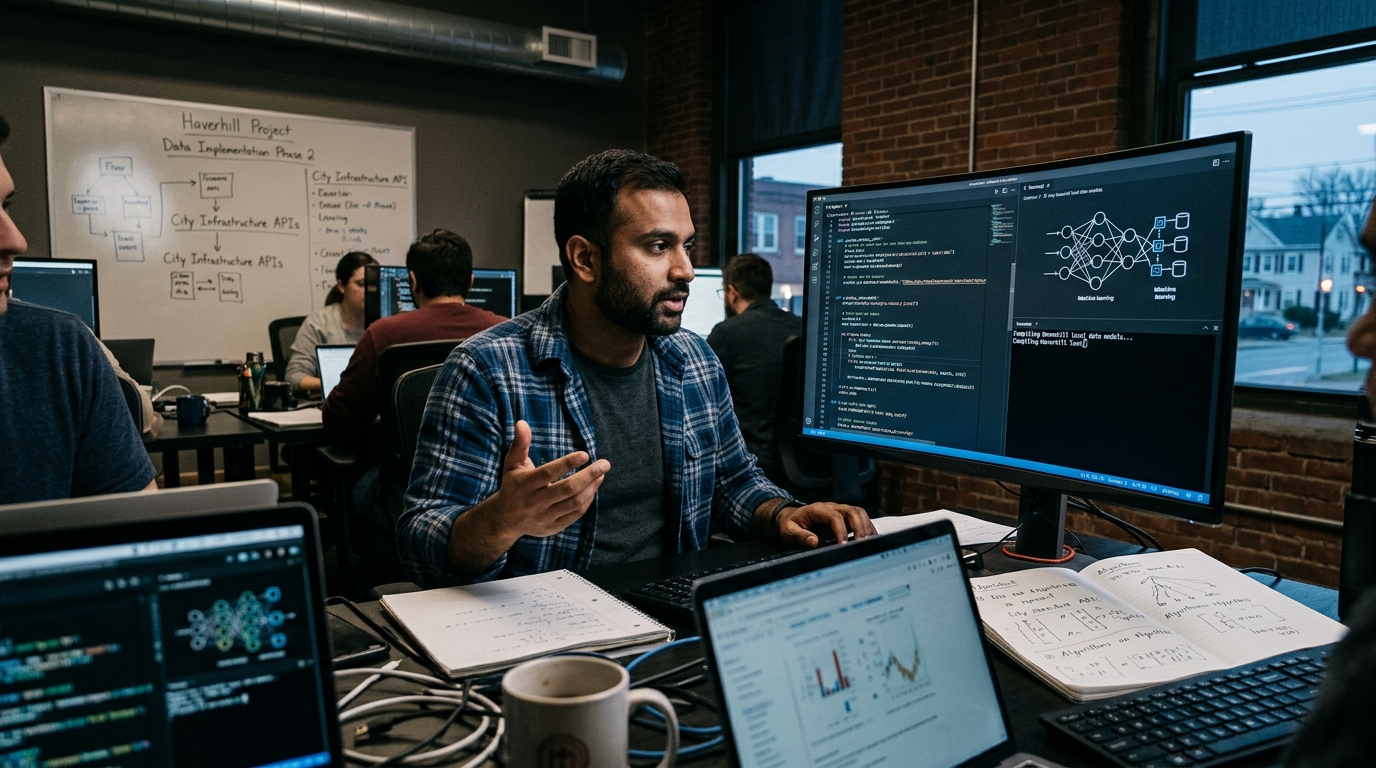
The new feature, currently in an experimental phase for a limited number of users in the US, allows viewers to ask nuanced questions about the content they are seeking. Instead of merely typing keywords like "how to fix a leaky faucet," users can pose complex queries such as "what is the best way to fix a faucet if I don't have a specialized wrench?" YouTube's AI chatbot then synthesizes data from thousands of hours of video, Shorts, and descriptions to provide a coherent answer, while simultaneously linking to the exact timestamps in videos where the information is discussed.
This approach closely mirrors Google’s Search Generative Experience (SGE) found in its primary search engine. However, the distinction here lies in multimodality. Google’s AI doesn't just read text; it "watches" video frames and "listens" to audio tracks, allowing it to understand context and nuance in ways that traditional algorithms never could. This creates a bridge between passive consumption and active inquiry.
The Creator Economy Dilemma
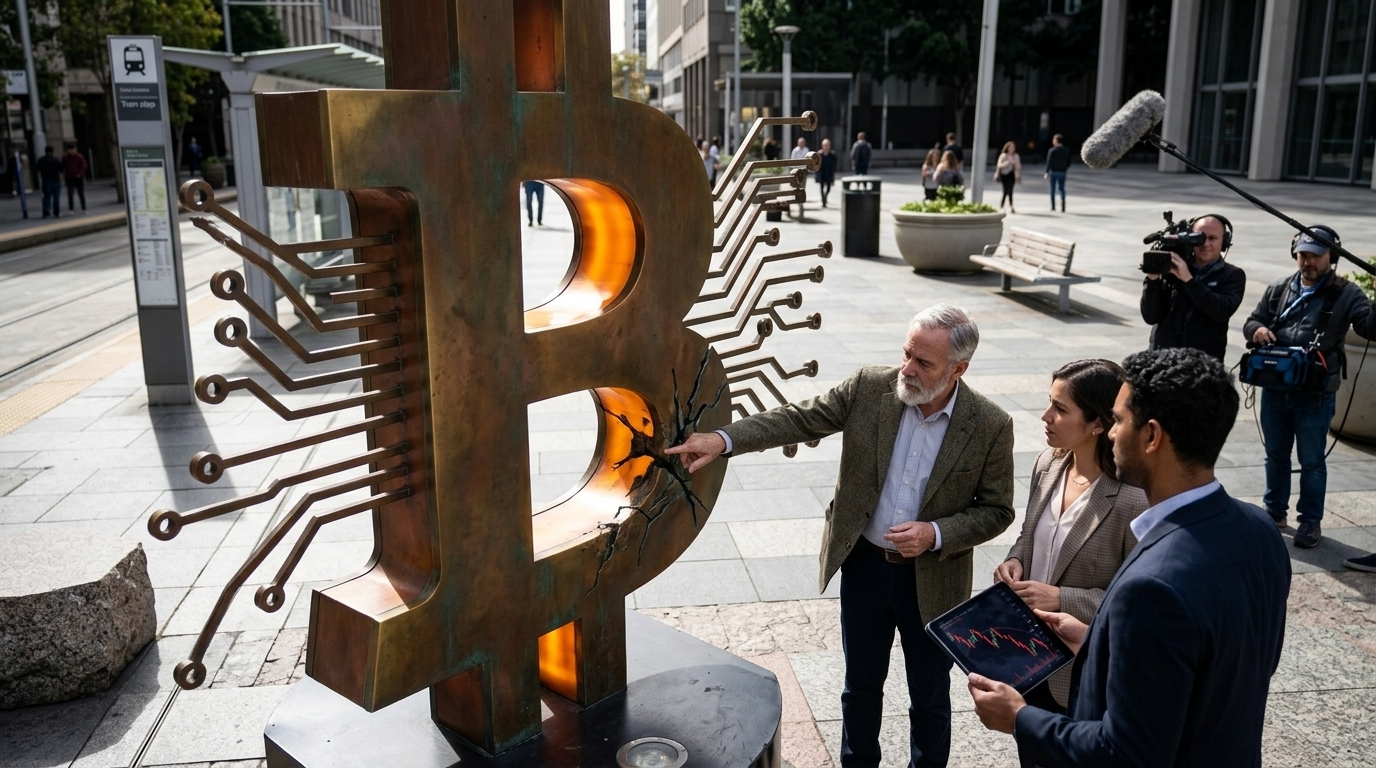
While the convenience for users is undeniable, the move has sent ripples of concern through the creator community. YouTube’s economic engine is fueled by watch time and ad impressions. If an AI chatbot can provide a user with the answer they need in seconds, bypassing the need to watch a full 10-minute video, what happens to the creator’s livelihood?
- Potential decline in average view duration for educational and "how-to" content.
- A shift in SEO strategy: creators may need to optimize for AI agents rather than human-clicked thumbnails.
- The necessity for new revenue attribution models based on an AI's use of creator data.
Google maintains that this feature will actually boost discoverability by surfacing niche content that might otherwise be buried. Yet, the delicate balance between user efficiency and creator sustainability remains the defining challenge of the AI era. If creators feel their data is being harvested to provide answers that cannibalize their views, a platform exodus—or at least a legal battle—could follow.
Strategic Positioning Against TikTok and SearchGPT
Google’s move is not happening in a vacuum. The tech giant is feeling significant pressure from TikTok, which has become the primary search engine for Gen Z. Simultaneously, OpenAI’s SearchGPT and Perplexity AI are threatening Google’s core dominance in information retrieval. By embedding Gemini (Google’s premier AI model) directly into YouTube, Alphabet is attempting to create a walled garden where information is immediate, visual, and conversational.
"We are no longer just searching for information; we are searching for real-time solutions. YouTube is evolving from an entertainment hub into a personalized learning assistant," notes a senior industry analyst.
In conclusion, the trial of conversational search on YouTube is Alphabet’s latest high-stakes gamble. If successful, it will redefine our relationship with video content, making it more accessible and interactive. However, if it fails to protect the interests of the creators who provide the raw material for its AI, Google risks undermining the very community that made YouTube the world’s most powerful video platform. One thing is certain: the era of "scroll and click" is being superseded by the era of "ask and watch."