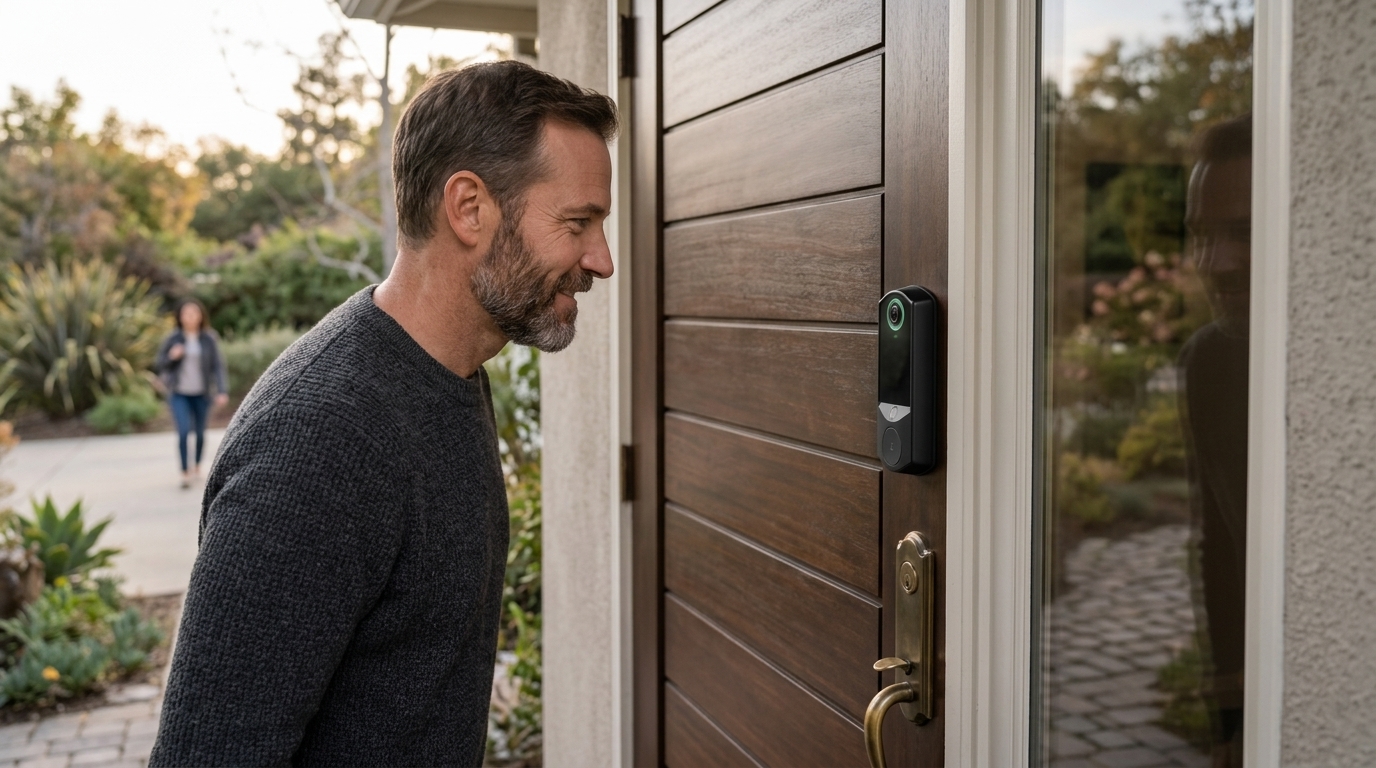
The promise of the smart home has always been about removing the small frictions of daily life. Nothing is more frustrating than fumbling for keys with full hands. While geofencing-based unlocking often proved slow and unreliable, a new generation of facial recognition smart locks is delivering a sci-fi experience to the front door.
The Tech Behind the Gaze
Unlike simple cameras, modern facial recognition locks use infrared sensors to create a 3D map of the user's face. This 3D component is vital; by capturing depth, it prevents the system from being fooled by a high-resolution photograph. Technologies such as structured light, stereo IR cameras, or time-of-flight sensing ensure that the door only opens for the registered resident.
Leading the Pack
In recent testing of four major models, the Eufy FamiLock E40 emerged as the most complete package. With an unlock speed of under one second and consistent performance even when the user is wearing sunglasses, it offers a robust feature set that includes a fingerprint reader and a built-in 2K video doorbell.
Alternatively, the Lockly Visage Zeno caters to Apple ecosystem users by supporting Apple Home Key. While slightly slower at facial recognition (taking about 2 seconds), it boasts superior build quality and an impressive nine-month battery life, providing a reliable backup for those who prefer physical or digital keys.
Challenges and Privacy
Despite the convenience, the category still faces hurdles. The SwitchBot Lock Vision Pro, for instance, struggled with "ghost" detections—triggering alerts when no one was there—and was glacially slow to unlock, particularly when the user wore sunglasses. While most models tested handled hats without issue, sunglasses remained a hurdle for all but the Eufy. Regarding privacy, the manufacturers of these locks claim that biometric data is processed and stored locally on the device rather than in the cloud, addressing common security concerns.
UWB: The Ultimate Competitor
While facial recognition is impressive, Ultrawideband (UWB) technology remains the industry's "holy grail." UWB allows for "unlocking in stride," where the door is open by the time you reach the handle, provided you have a compatible phone or watch. However, UWB locks remain expensive and scarce, leaving facial recognition as the most viable high-tech, hands-free option available today.