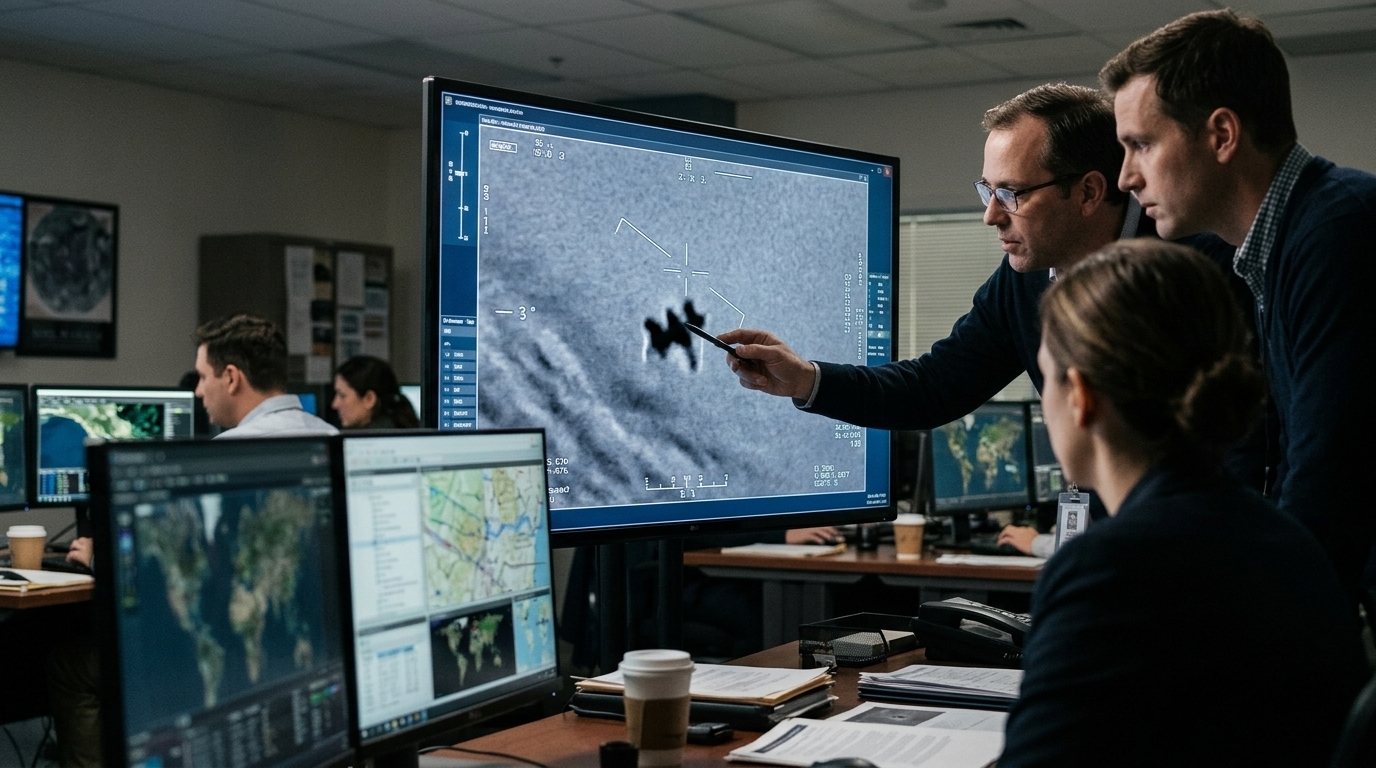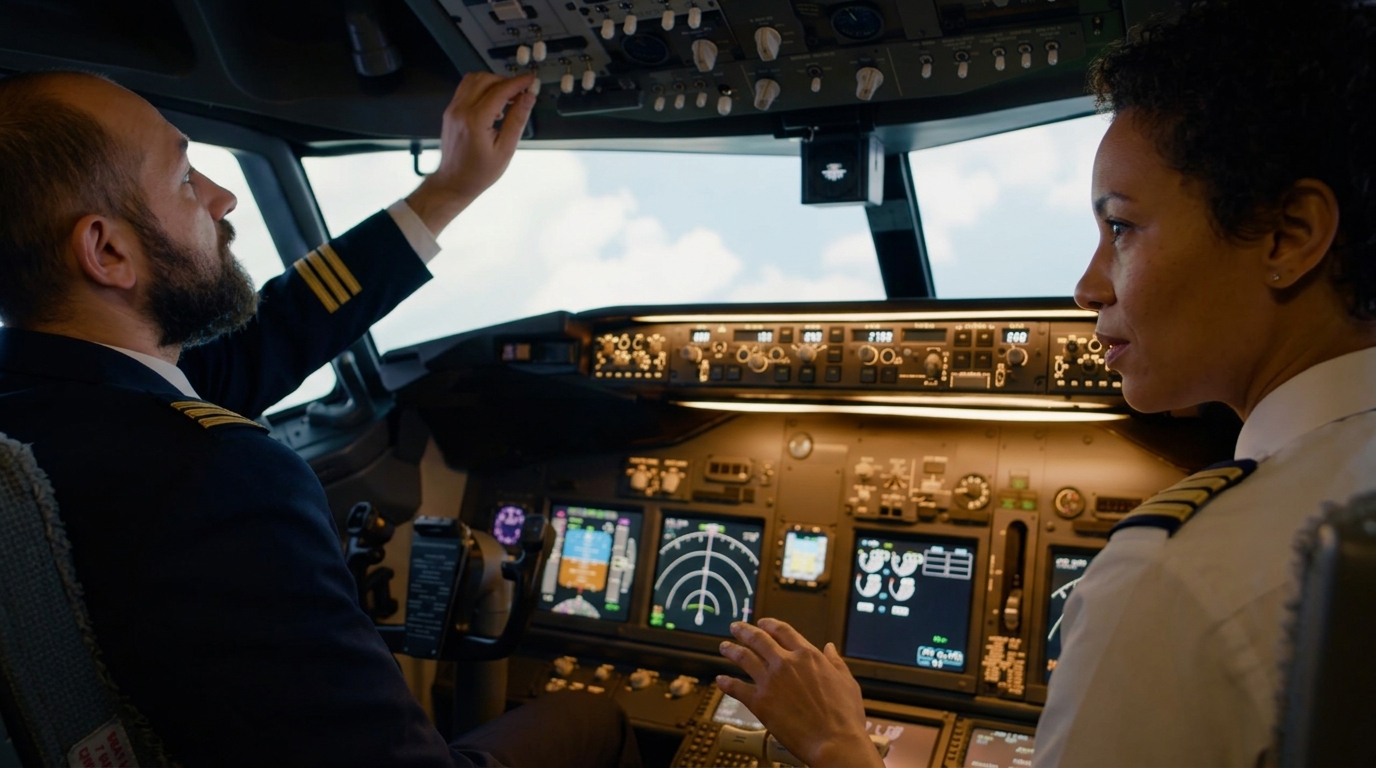
Predicting turbulence has always been one of civil aviation's greatest challenges. Despite pilot experience and meteorological reports, sudden jolts often catch crews and passengers off guard. Today, artificial intelligence and real-time data analysis promise to transform this landscape, offering captains a clearer picture of what lies ahead on their flight path.
The SkyPath Digital Network
The SkyPath platform leads this effort, operating on a logic similar to road navigation apps. The system collects weather data from iPads located on aircraft already in the air, synthesizing a detailed map of atmospheric conditions. According to the company, its AI model can predict turbulence up to 24 hours in advance with 90% accuracy.
In practice, this allows pilots to receive warnings several minutes before entering a turbulent zone. This time is critical for illuminating seatbelt signs, pausing cabin service, and ensuring the safety of the flight crew.
Results and Industry Adoption
The adoption of these tools by giants such as United Airlines, Delta Air Lines, and Japan Airlines is already yielding measurable results. SkyPath data shows a 50% reduction in instances where aircraft encountered moderate or severe turbulence over a two-year period.
- All Nippon Airways (ANA) utilizes its own system with 86% accuracy.
- IATA is collaborating with 30 airlines through the "Turbulence Aware" tool.
- In an examination of 180 real-world incidents, it was found that relevant data was available before the event in 79% of cases.
Despite technological progress, AI does not replace pilot judgment nor does it eliminate the phenomenon itself. It acts as an additional layer of protection, particularly significant following incidents like the 2024 Singapore Airlines flight, which reminded the world of the risks severe turbulence poses to unbuckled passengers.