
The ROI Scrutiny and Market Volatility
The investment narrative that propelled Wall Street’s tech giants to successive record highs throughout 2026 is facing its first significant trial. Investors are increasingly questioning whether massive capital expenditures on AI infrastructure can sustain premium valuations, pushing the Nasdaq to a three-week low. A signal of this market tension is evident in the semiconductor sector; the Philadelphia Semiconductor Index has retreated more than 20% from its June peak. Market participants are scrutinizing the billions of dollars flowing into data centers and specialized hardware, with growing skepticism regarding how quickly these outlays will translate into bottom-line growth, particularly as Netflix shares tumbled approximately 9% following guidance that failed to meet expectations.
The Hardware Backbone: Strategic Re-architecting
Despite the volatility in equity markets, the physical backbone of the AI era continues to expand. While stock valuations fluctuate, the demand for specialized hardware remains a structural shift in global capital expenditure. China is demonstrating a significant push for technological self-reliance; at the World Artificial Intelligence Conference, Huawei unveiled the Atlas 950 SuperPoD system, a platform designed for large data centers and advanced model training. Even within the private sector, the value of compute is so high that Elon Musk's xAI has generated billions in revenue by selling its excess compute resources to rivals like Anthropic and Google, despite utilizing only 11% of its own capacity as of April.
Geopolitical Rivalry and Regulatory Maturation
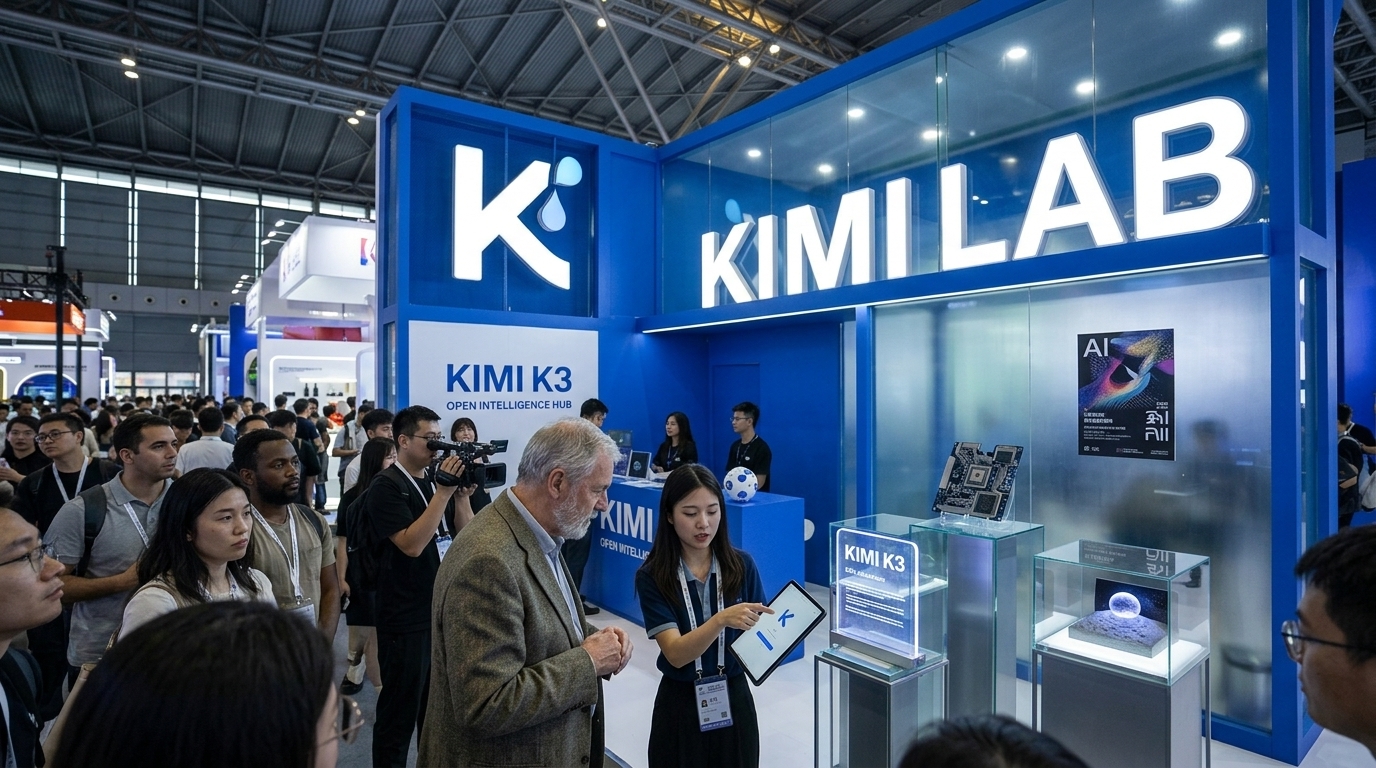
The competitive landscape is further complicated by the emergence of Chinese alternatives that challenge U.S. dominance. Sentiment soured following the introduction of Kimi K3 by China’s Moonshot AI, positioned as the world’s largest open-weight AI model. This release fuels concerns that Chinese firms are advancing faster than anticipated. Meanwhile, in Europe, the regulatory environment is maturing. The European Commission is leveraging the Digital Markets Act (DMA) to force Google to open its Android ecosystem to competing AI platforms by July 2027. Greece is positioning itself as a regulatory vanguard; the Greek Parliament recently approved a national framework for the AI Act, which includes a 'Regulatory Sandbox' for real-world testing. Data suggests this institutional clarity is working, as one-third of Greek SMEs are already utilizing AI, aligning the nation with the European average.