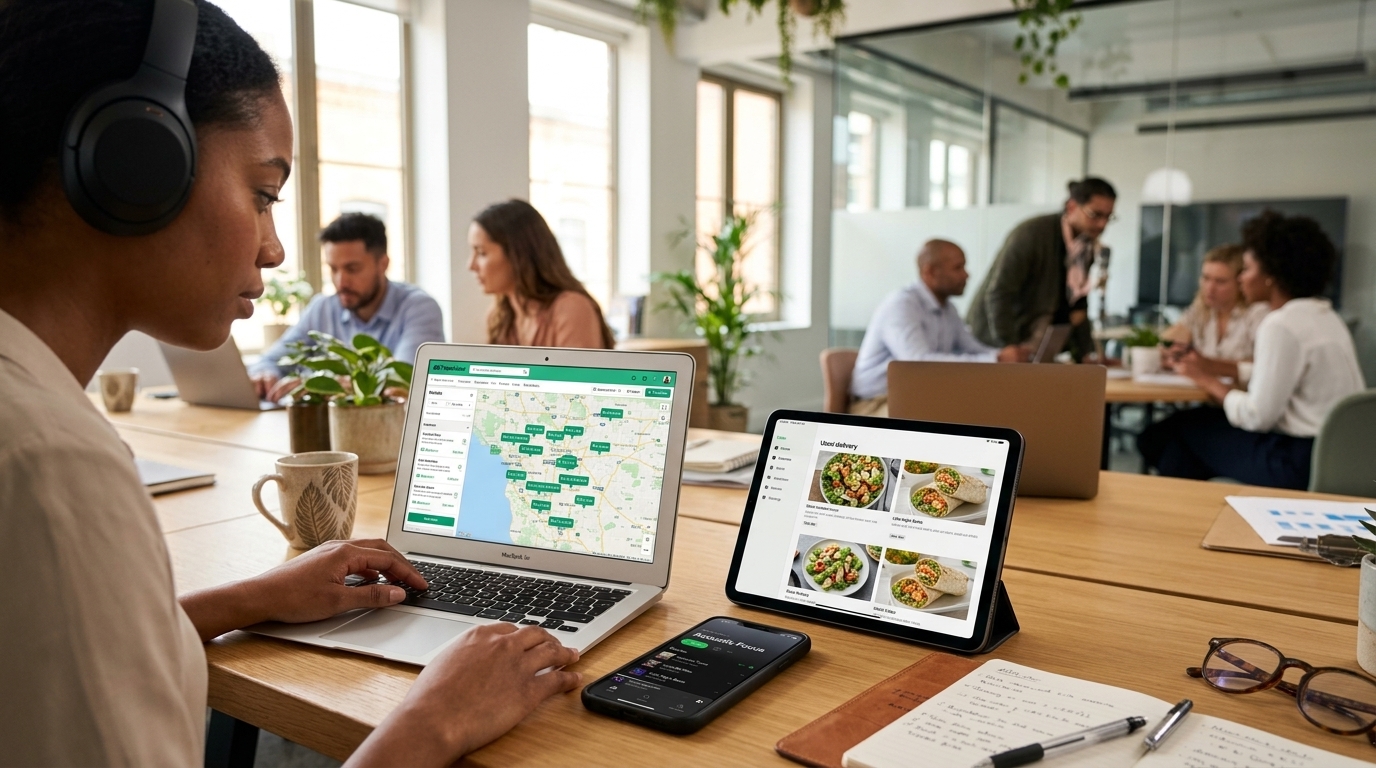
The era of chatbots that merely "chat" is drawing to a close, making way for the era of AI agents that "act." Anthropic, the company behind Claude, has taken a decisive step in this direction by announcing a suite of new "connectors" that allow its AI model to interact directly with personal, everyday applications. If Claude has been your trusted partner for drafting emails or analyzing code until now, it now aspires to be your personal assistant that orders food, organizes your music, and manages your tax returns.
From the Office to the Living Room: A Strategic Pivot
This move marks a significant shift for Anthropic. While the company has traditionally focused on the enterprise sector (B2B), offering integrations with tools like Google Drive, Slack, and Microsoft OneDrive, this new expansion clearly targets the end consumer. The new connectors cover a wide range of needs: from entertainment (Spotify, Audible) and transportation (Uber) to dining (Uber Eats) and financial services (TurboTax).
The logic behind this expansion is simple yet powerful: artificial intelligence is only as useful as the data it can access. By allowing Claude to "see" your Spotify library or your Uber Eats order history, Anthropic enables it to provide a level of personalization that was previously impossible. For example, instead of asking for generic music recommendations, you could say: "Create a playlist that matches my favorite indie tracks but is more chill for studying."
The Technology of Integration and User Experience
The implementation of these connections is based on secure communication protocols that allow Claude to pull information in real-time. In the case of TurboTax, the integration promises to simplify one of the most stressful processes for citizens, allowing the AI assistant to guide the user through labyrinthine tax forms by pulling data directly from the application.
- Spotify & Audible: Library management, playlist creation, and history-based recommendations.
- Uber & Uber Eats: Scheduling rides and ordering meals using natural language.
- AllTrails: Planning outdoor excursions based on the user's fitness level.
- TurboTax: Support in completing tax filings.
What sets Claude apart from simple automation is its ability to understand context. It doesn't just execute a command; it can synthesize information from different sources. Theoretically, it could see an appointment on your calendar, check traffic via Uber, suggest when you should leave, and simultaneously pick the right podcast from Audible for the commute.
Personal Data: The Touchstone of Trust
Naturally, connecting an AI to such sensitive personal applications raises serious privacy concerns. Anthropic, which has built its reputation on "safe" and "constitutional" AI, emphasizes that control remains in the user's hands. Connections require explicit approval, and data is not used to train their models without permission.
"Trust is the only currency that matters in the age of AI agents. If users fear their assistant will leak their financial details or personal habits, the technology will never be adopted," say industry analysts.
However, the challenge remains. Consolidating so much personal information into a single entry point (Claude) makes the user's account an extremely attractive target for cyberattacks. Anthropic will have to prove that its defenses are impenetrable, especially when dealing with apps like TurboTax that handle Social Security numbers and banking data.
Competition and the Future of Ecosystems
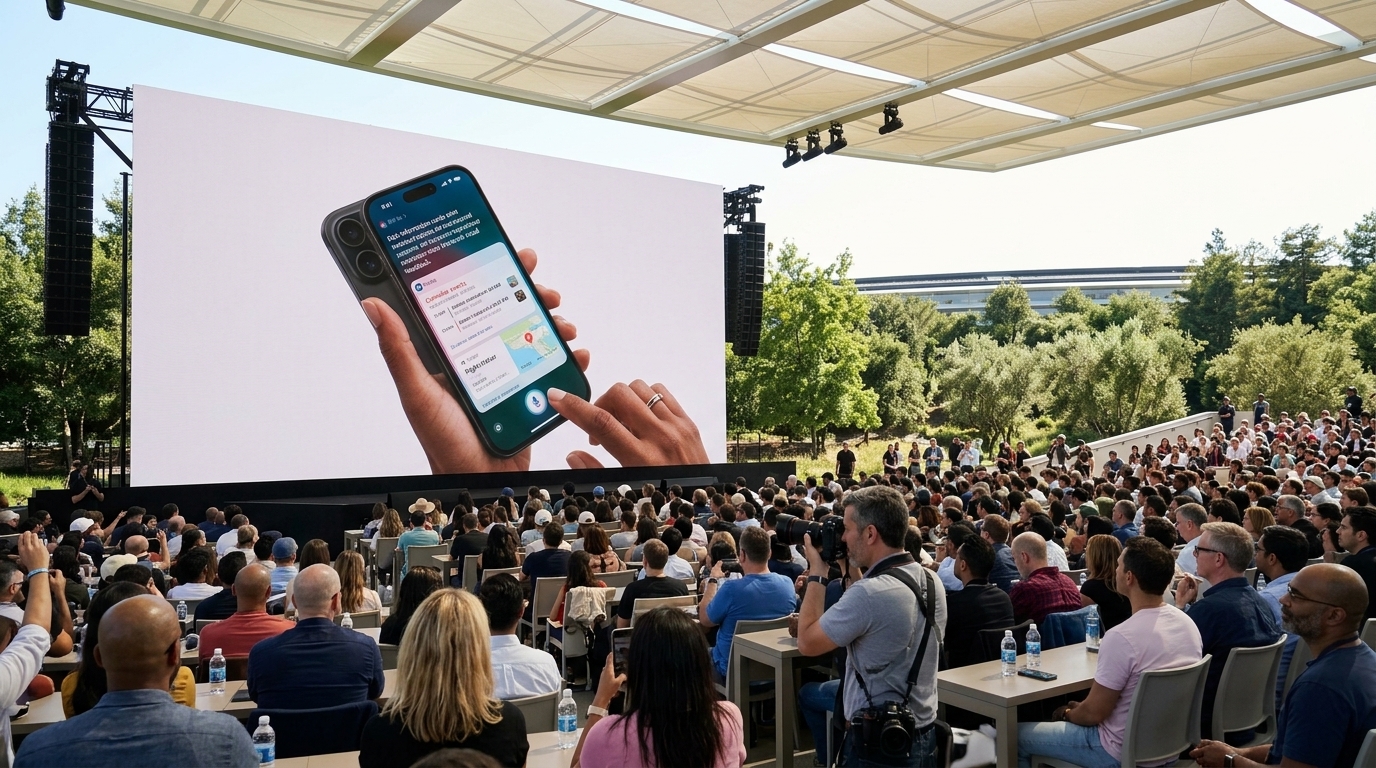
Anthropic's move is a direct response to OpenAI's "GPTs" ecosystem and the upcoming Apple Intelligence. Apple has the advantage of integration at the operating system level (iOS), with access to all apps on the device. Anthropic, lacking its own hardware, is trying to build a "meta-OS" on top of existing apps through these connectors.
In the future, we can expect even more partnerships. Claude's ability to "think" before acting (via chain-of-thought reasoning) makes it ideal for solving problems that require multiple steps across different apps. The battle for who will become the "central brain" of our digital lives has only just begun, and Anthropic has shown it doesn't intend to stay confined within the office walls.