In a move that underscores the radical restructuring of the technology sector, Meta Platforms Inc. has announced its intention to cut 10% of its workforce. This decision is not merely a cost-cutting measure but a strategic reallocation of resources toward Artificial Intelligence (AI), which has become Mark Zuckerberg's ultimate priority. Following the 2023 'Year of Efficiency,' the company is now entering a phase of aggressive investment in computing power, often at the expense of the human capital that built the Facebook and Instagram empires.
The Strategy of 'Creative Destruction'
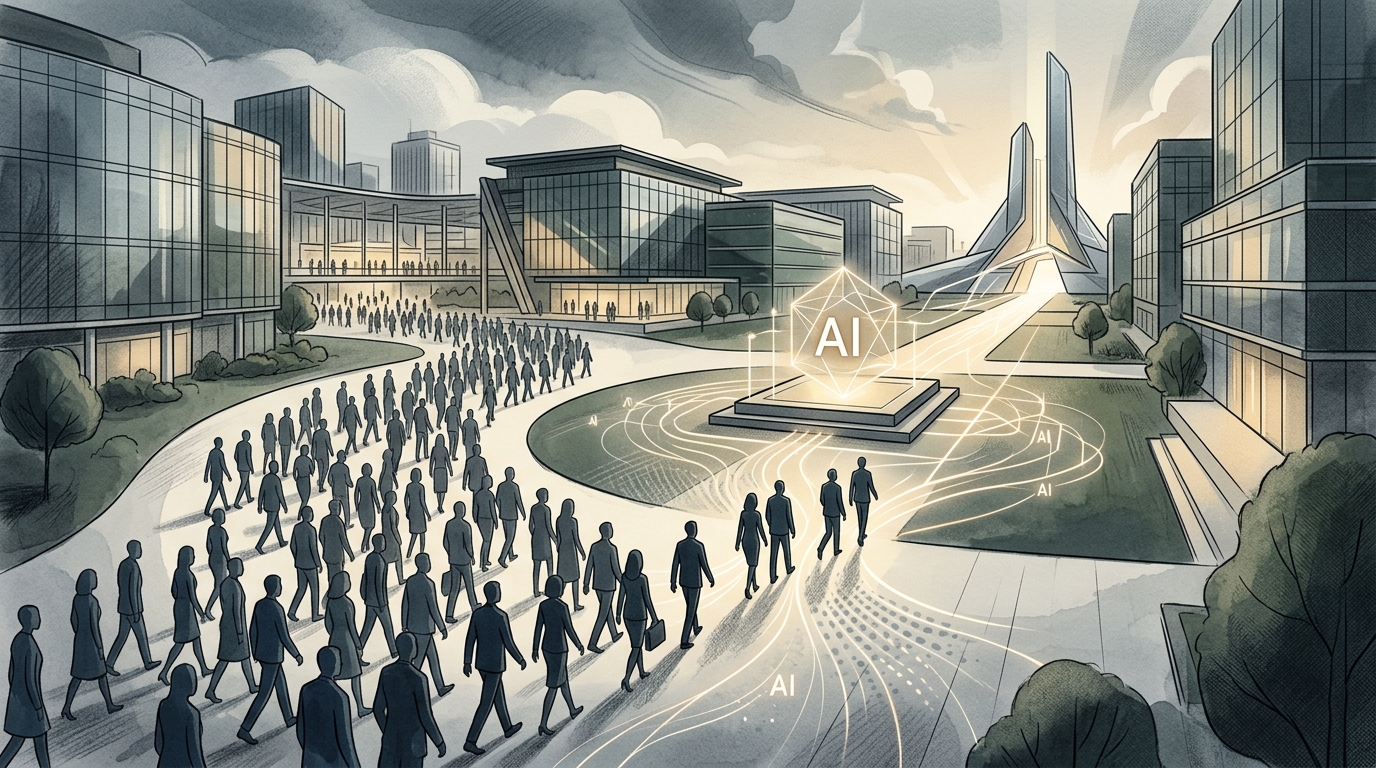
Meta is no longer the company we knew five years ago. The transition from the Metaverse—which remains a costly long-term bet—toward Large Language Models (LLMs) like Llama requires billions of dollars in Nvidia's H100 processors. To fund this arms race, management is choosing to 'trim' departments now considered mature or secondary. The layoffs hit the company horizontally, from marketing departments to app development teams, as Meta seeks to transform into a lean intelligence-generating machine.
This trend highlights a harsh truth for Silicon Valley: experience in traditional social media is losing its value compared to the need for machine learning engineers and cloud infrastructure specialists. Meta is following the lead of other giants like Google and Amazon, which continue to shed staff despite record profits to satisfy Wall Street's demands for higher margins and a focus on cutting-edge innovation.
Impact on Workforce and Culture
For employees, this news is a shock that shatters the sense of security once provided by Big Tech. Meta, once famous for its lavish perks and expansive hiring policies, is transforming into a high-pressure environment where retention depends on relevance to the AI roadmap. Analysts point out that these cuts may cause a 'brain drain' toward smaller, more agile startups, as morale in large corporations is shaken by continuous layoff cycles.
- 10% reduction in global workforce.
- Focus on the Llama model series and AI integration across apps (WhatsApp, Messenger).
- Increased capital expenditure (CapEx) for AI chip procurement.
- Continuation of 'flat management' policy for faster decision-making.
The Economic Dimension and Wall Street
Markets reacted positively to the announcement, seeing Meta demonstrate its commitment to fiscal discipline. However, there is a risk: over-reliance on AI may leave the company's core products exposed to competition or a decline in quality. Meta is betting everything that AI will improve ad targeting and user retention, compensating for the loss of human oversight. The question remains whether a company can effectively innovate while in a state of constant staff contraction.
"It's no longer about how many people we have, but how much computing power we have per employee," said a market executive closely monitoring Meta's moves.
In conclusion, Meta is entering a new era where the algorithm is not just the product, but also the reason why the human becomes expendable. The success of this strategy will be judged by Llama 4's ability to generate revenue that justifies the dismantling of the teams that built the company's dominance over the past decade.