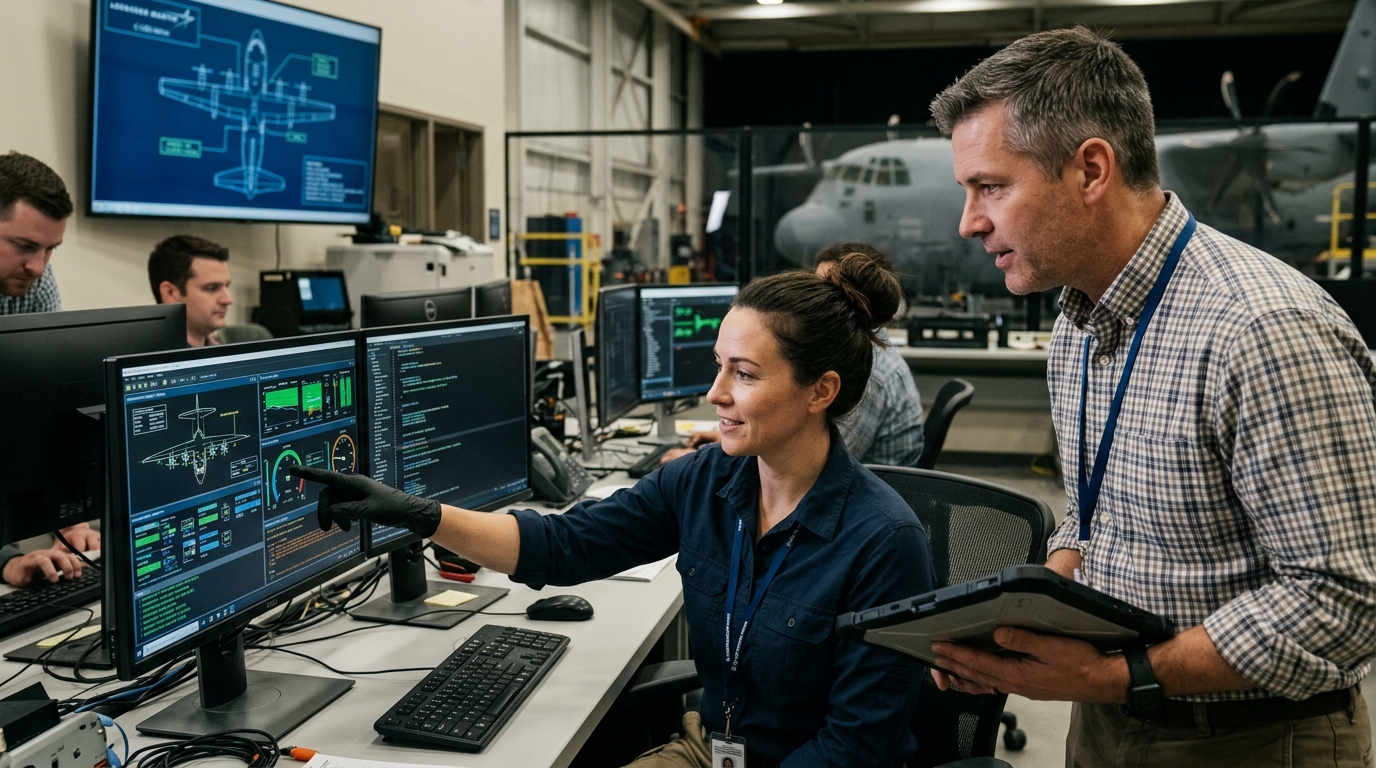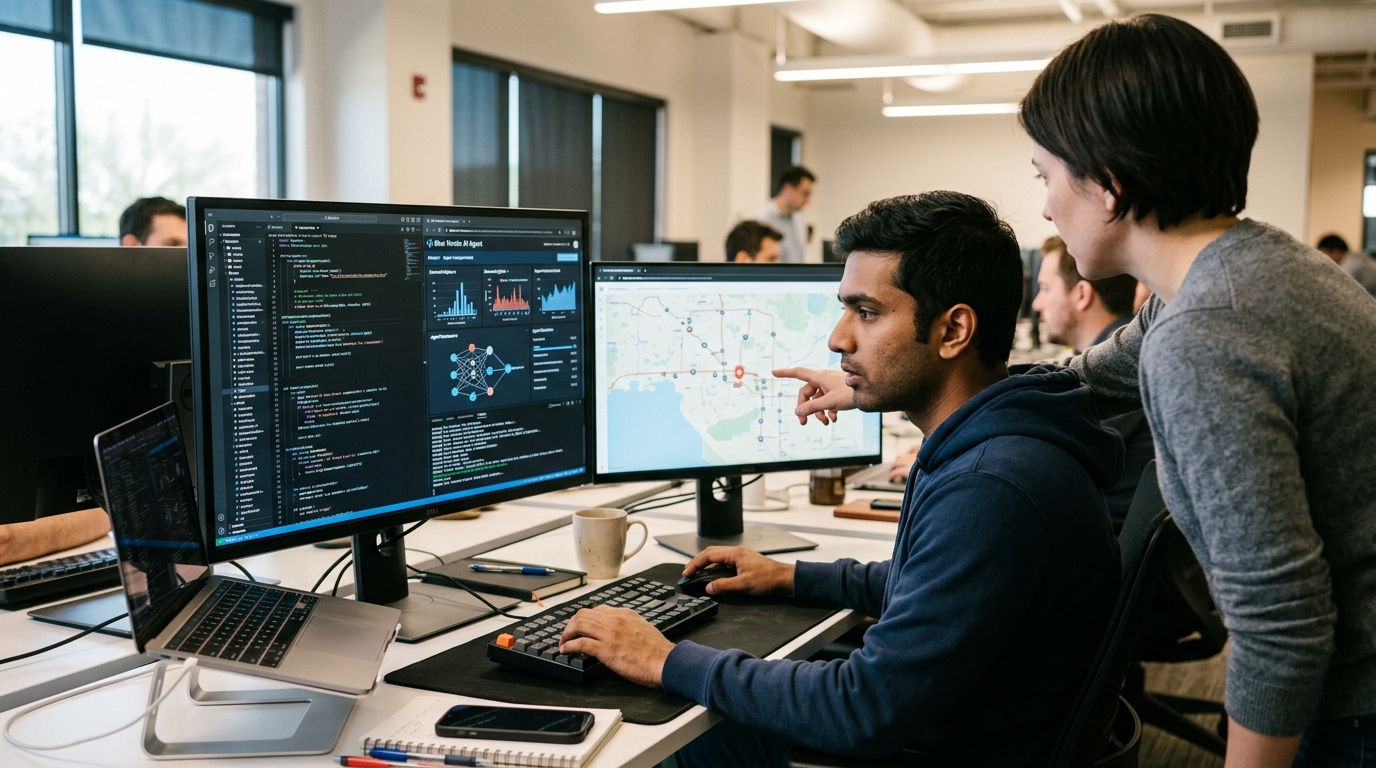
In an era where the global supply chain balances on a tightrope between geopolitical instability and surging consumer demand, technology is being called upon to provide solutions that go beyond simple automation. Blue Yonder, a leader in supply chain management software, recently announced the launch of a specialized testing system for Artificial Intelligence agents (AI agents). This move is not merely a technical upgrade; it represents a fundamental shift in how enterprises trust and deploy autonomous decision-making.
The Critical Need for Reliability in Agentic AI
AI agents differ from traditional AI models in that they are not limited to prediction or analysis; they have the capacity to act. Within the context of a warehouse or a distribution network, an AI agent can automatically reroute a shipment due to severe weather or renegotiate orders with suppliers in real-time. However, this freedom to act comes with immense risk. A single coding error or a misinterpretation of data could trigger a cascade of failures, leading to product shortages or millions of dollars in financial losses.
Blue Yonder’s new system functions as a high-fidelity 'digital sandbox.' It allows supply chain managers to subject AI agents to extreme scenarios (stress testing) before granting them control over real-world resources. Through these simulations, the system evaluates whether the agent adheres to business logic, stays within budgetary constraints, and responds effectively to unpredictable variables, such as a sudden port strike or a spike in fuel prices.
From Reaction to Anticipation: Blue Yonder’s Strategy
Blue Yonder has been consistently investing in what it terms the 'Cognitive Supply Chain.' The introduction of the testing framework is the latest piece of a puzzle that includes the acquisition of firms like One Network Enterprises. The objective is to create an ecosystem where information flows seamlessly from the factory floor to the retail shelf.
According to industry analysts, the primary hurdle for the adoption of Agentic AI in the supply chain is not a lack of technology, but a lack of trust. Chief Supply Chain Officers (CSOs) are often hesitant to hand over the keys to decision-making to a 'black box' algorithm. Blue Yonder’s testing system targets this specific pain point: providing transparency and measurable proof of agent efficacy. The ability to audit the 'reasoning' behind an agent's decision is crucial for the integration of AI alongside human workforces.
The Future: A Self-Healing Supply Chain?
The long-term promise of this technology is the realization of a 'self-healing' supply chain. In this vision, AI agents do not wait for human intervention to fix a disruption. They detect anomalies, test alternative solutions in fractions of a second, and implement the optimal path—having already been 'certified' for reliability by the testing framework.
- Operational Cost Reduction: Automated testing slashes the time required to deploy new logistics strategies.
- Sustainability: AI agents can optimize transportation routes, significantly reducing carbon footprints.
- Resilience: The capacity to adapt quickly to crises makes corporations less vulnerable to global shocks.
In conclusion, Blue Yonder’s initiative marks the maturation of Artificial Intelligence in the enterprise sector. We are no longer discussing experimental chatbots, but sophisticated tools that require rigorous control protocols, similar to those used in aerospace or medicine. The supply chain of 2026 is a digital battlefield, and AI agents are the new generals who must first prove their mettle in the testing grounds.