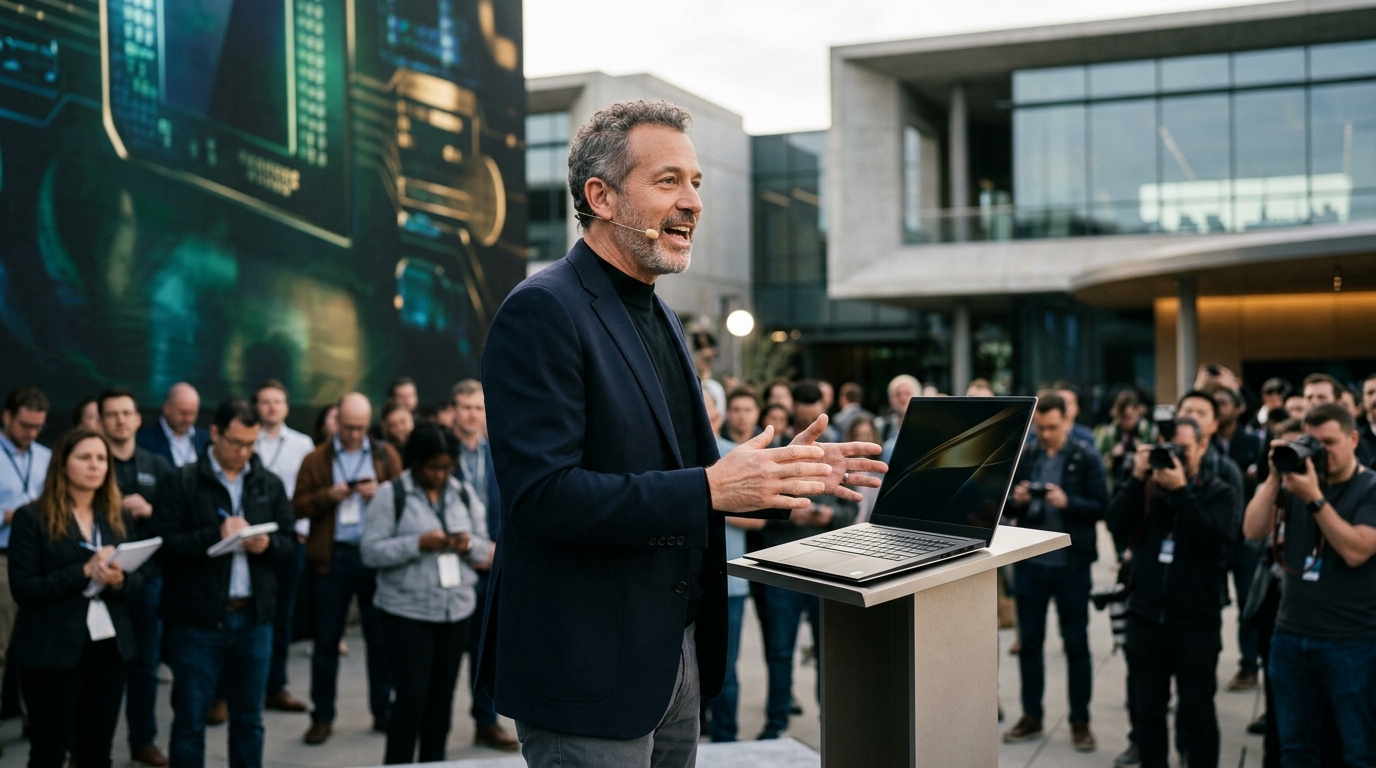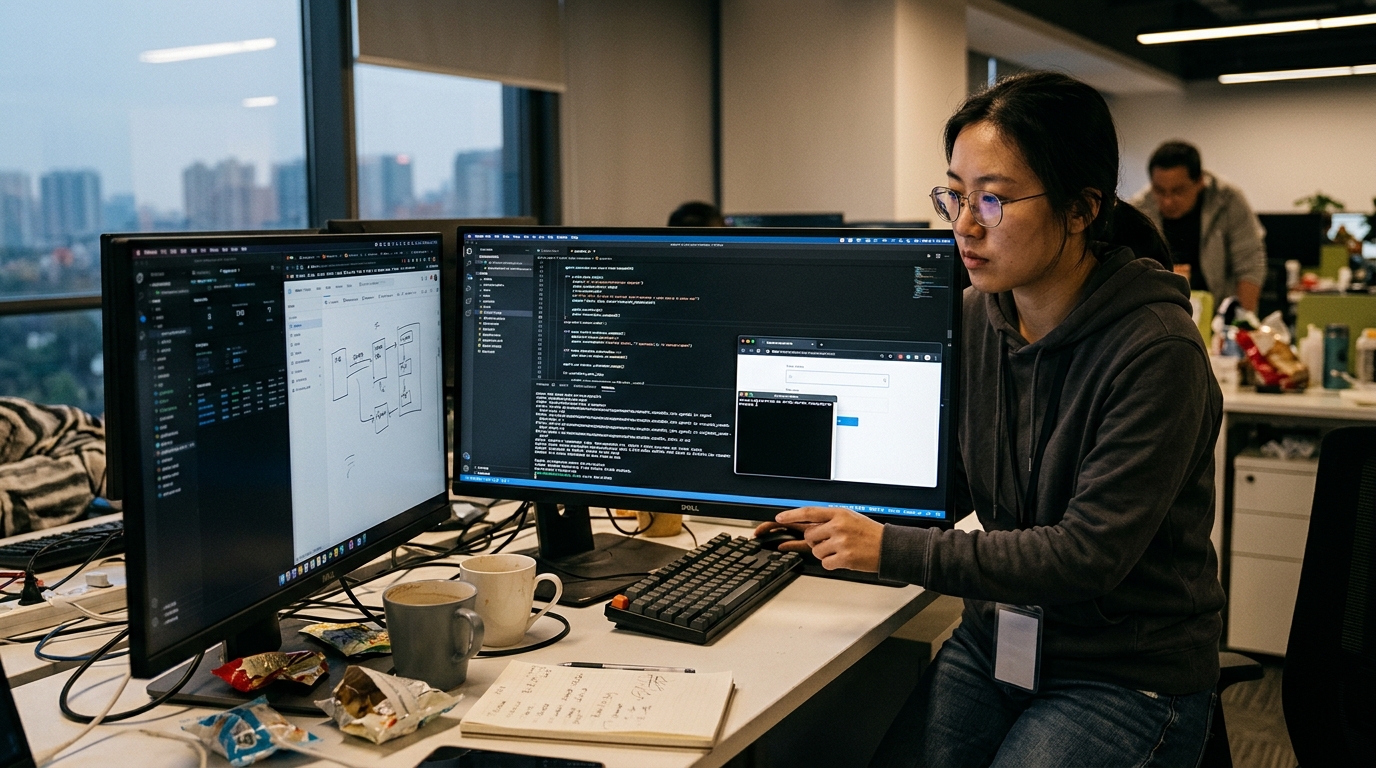
In a move that signals a significant turning point for safety culture within the artificial intelligence sector, Anthropic has announced it will allow its strategic partners to share cybersecurity findings derived from its internal testing framework, known as "Mythos." This decision, first reported by Reuters, suggests a shift from the "walled garden" model toward a more collaborative approach as the threats posed by Large Language Models (LLMs) become increasingly complex and multi-dimensional.
Mythos is not merely a tool but a comprehensive red-teaming ecosystem designed to identify vulnerabilities ranging from malicious code generation to AI-enhanced social engineering techniques. Until recently, insights gained from these tests remained strictly confidential, protected by non-disclosure agreements that limited researchers' ability to warn the broader community about emerging attack vectors.
The Need for a "Collective Immune System"
The core philosophy behind this policy change is the recognition that no single organization, regardless of its sophistication, can tackle the ever-evolving landscape of cyber threats alone. By allowing partners—including government agencies, AI safety institutes, and select infrastructure providers—to exchange data, Anthropic is attempting to build a form of "collective immune system" for the digital age.
Industry experts point out that jailbreak attacks and prompt injections do not just affect one model; they often exploit fundamental weaknesses in transformer architecture. Consequently, a discovery within the Mythos framework could have immediate applications in protecting other systems, preventing the spread of attacks before they become widely known to malicious actors.
Geopolitical Implications and Regulatory Pressure
This move does not occur in a vacuum. With the implementation of the AI Act in the European Union and executive orders in the United States, AI companies are under increasing pressure to prove their models are safe before public release. Transparency through Mythos is an indirect response to regulatory demands for greater accountability.
- Strengthening collaboration with the US AI Safety Institute.
- Establishing protocols for the rapid sharing of critical zero-day vulnerabilities.
- Aligning red-teaming efforts with international security standards.
However, this decision is not without risks. Publicizing cybersecurity findings is always a double-edged sword: while it informs defenders, it simultaneously provides a roadmap for attackers. Anthropic appears to be betting that the speed of collective defense will outpace the adaptability of hackers.
The Future of AI Governance
As Anthropic prepares for the next generation of Claude models, the success of the Mythos initiative will serve as a litmus test for whether industry self-regulation can work. If partners use this information responsibly, it could create a blueprint for how tech companies collaborate on issues of national security.
"AI safety is not a zero-sum game. When one of us becomes safer, we all do," sources close to the company suggest.
In conclusion, Anthropic is choosing the path of "controlled transparency." In a world where AI could be leveraged to create biological weapons or collapse critical infrastructure, secrecy may prove more dangerous than the disclosure of vulnerabilities themselves. The gamble is whether competitors like OpenAI and Google will follow suit, transforming safety from a competitive advantage into a common good.