The beauty industry, a sector traditionally rooted in touch, scent, and personal interaction, is currently in the midst of a profound technological revolution. Artificial Intelligence (AI) is no longer a futuristic promise but a daily reality reshaping how consumers discover, select, and use skincare and makeup products. From virtual lipstick try-ons to molecular analysis for creating anti-aging serums, AI is bridging the gap between data science and human aesthetics.
The Personalization Paradigm
For decades, the beauty industry operated on a "one size fits all" model or, at best, offered limited options based on broad skin types. AI is overturning this by offering hyper-personalization. Through advanced machine learning algorithms, companies can now analyze thousands of parameters—from skin tone and texture to the environmental conditions a consumer lives in—to recommend the ideal product.
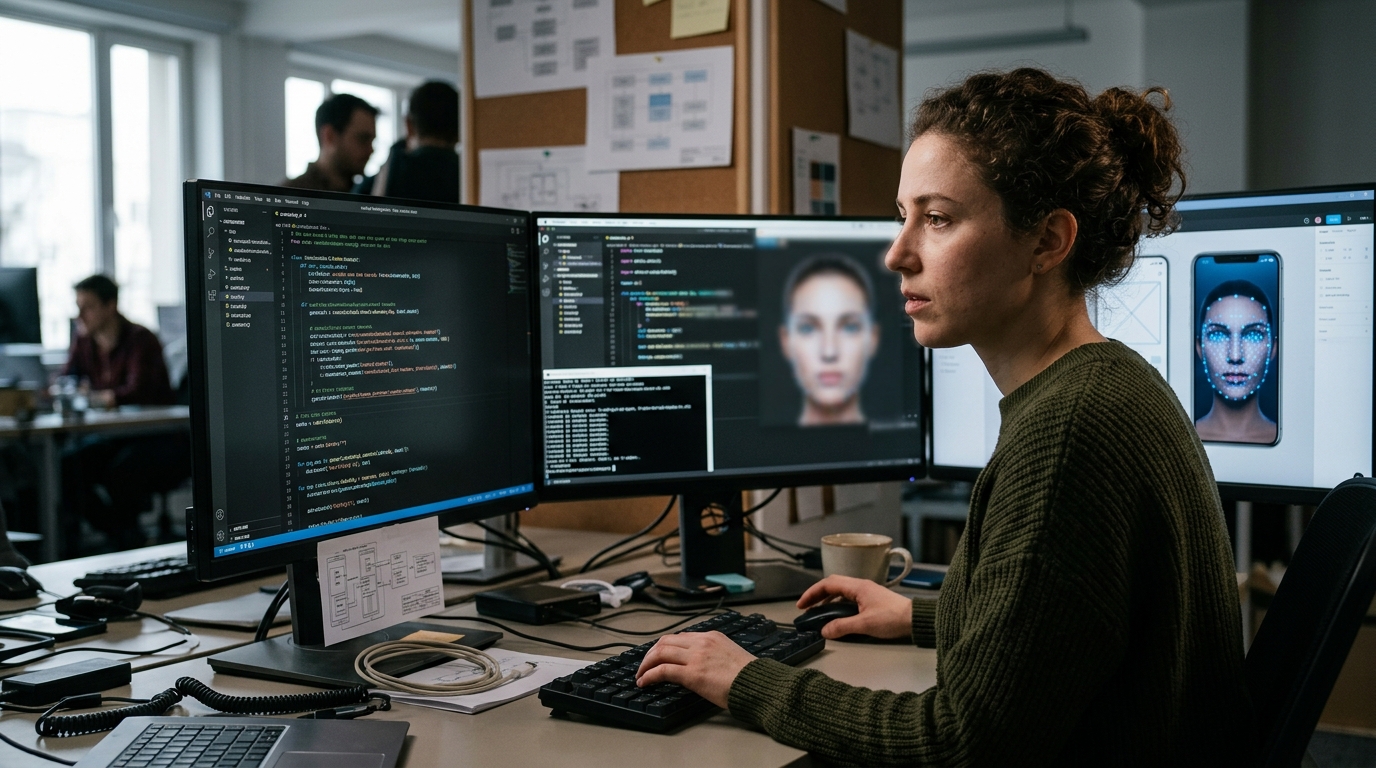
Virtual Try-On (VTO) applications are the most visible aspect of this shift. Using Augmented Reality (AR), consumers can test hundreds of makeup shades in seconds via their smartphone camera. This isn't just a gimmick; it's a powerful sales tool that reduces product return rates and increases buyer confidence. Giants like L'Oréal, with their acquisition of ModiFace, have set the standard for how digital imagery can replace traditional in-store testers.
From the Lab to the Consumer: AI in R&D
Behind the glossy packaging, AI is accelerating the Research and Development (R&D) process in ways that were unthinkable a decade ago. Discovering new ingredients traditionally required years of trial and error. Today, algorithms can simulate the reactions of thousands of chemical compounds with human cells, identifying effective substances for acne, wrinkles, or hyperpigmentation in a fraction of the time.
- Microbiome Analysis: AI helps in understanding the unique ecosystem of bacteria on each person's skin, leading to probiotic cosmetics tailored to individual needs.
- Sustainability: By predicting demand more accurately, companies reduce overproduction and resource waste, making the industry more environmentally friendly.
- Inclusivity: AI assists in creating products for skin tones that were historically underrepresented, ensuring technology serves everyone regardless of background.
Challenges and Ethical Considerations
Despite the benefits, integrating AI into beauty raises significant questions. The collection of biometric data—such as facial mapping—requires strict privacy protection protocols. Furthermore, there is a risk that algorithms could reinforce unrealistic beauty standards if not programmed with diversity in mind. The challenge for companies is to use technology to empower consumers rather than create new insecurities.
"Technology is not replacing beauty; it is making it more accessible and understandable for each of us individually," say industry analysts.
In conclusion, the beauty industry is transforming into a tech industry. Future success will depend not only on the quality of the formula but also on the quality of the data and the ability of AI to provide an authentic, personalized experience in a world searching for the truth behind the filter.