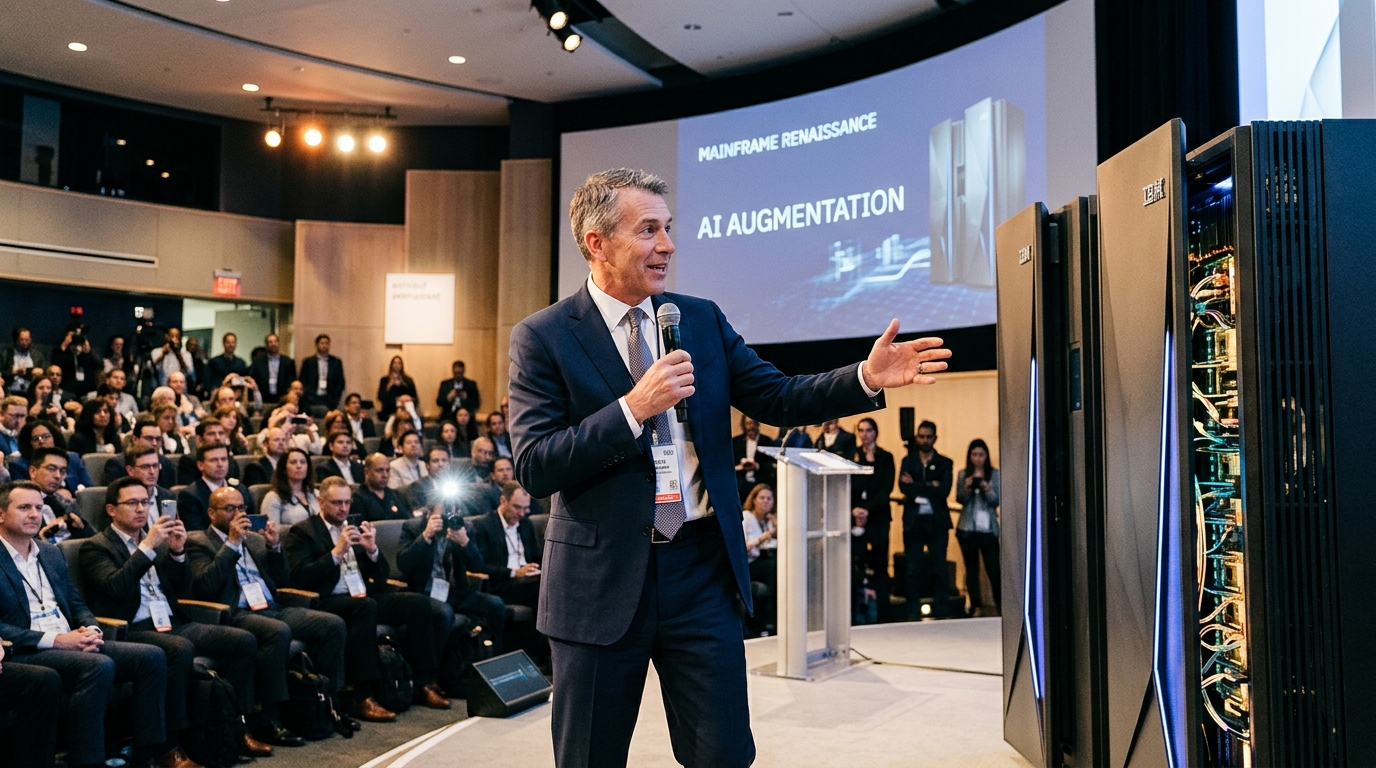
In the high-stakes world of enterprise technology, where innovation is often equated with the total displacement of the old, IBM is charting a different, more nuanced course. Dan Wiegand, a key figure in IBM’s mainframe ecosystem, is highlighting how Artificial Intelligence (AI) is not merely a trendy addition but the catalyst for a fundamental renaissance of the central computing systems that underpin the global economy.
The Resilience of the Mainframe in a Cloud-First World
For decades, industry pundits have predicted the demise of the mainframe. Yet, 70% of global banking transactions still run on IBM zSystems. The issue has never been the reliability or raw power of these machines, but rather their perceived rigidity and the massive "technical debt" accumulated in the form of millions of lines of COBOL code. As Wiegand explains, the "rip and replace" approach has proven catastrophic for many enterprises, leading to ballooning costs and unacceptable operational risks.
The solution IBM is championing through "AI Augmentation" is a gradual, controlled transformation. Instead of banks and insurance giants attempting to migrate everything to the cloud overnight, they are utilizing the IBM watsonx Code Assistant to understand, refactor, and, where appropriate, transform COBOL into Java. This process is not just a simple translation; it is a deep architectural analysis of the business logic locked within decades of legacy code.
watsonx Code Assistant: The Bridge to Modernization
Dan Wiegand’s strategy focuses on leveraging Large Language Models (LLMs) to solve one of the industry's most pressing problems: the talent gap. The developers who understand COBOL are retiring, and the new generation has little incentive to learn a language from 1959. This is where AI steps in. watsonx doesn’t just write code; it helps junior developers navigate labyrinthine systems by providing explanations of what each code block does and suggesting optimizations.
- Automated Refactoring: AI can isolate specific services within a monolithic COBOL program and transform them into agile microservices.
- Quality Assurance: Generating tests for legacy systems has always been a developer’s nightmare. AI automates this process, significantly reducing errors during the transition.
- Hybrid Integration: The mainframe is no longer an island; it becomes an organic part of a hybrid cloud infrastructure, communicating seamlessly with modern applications.
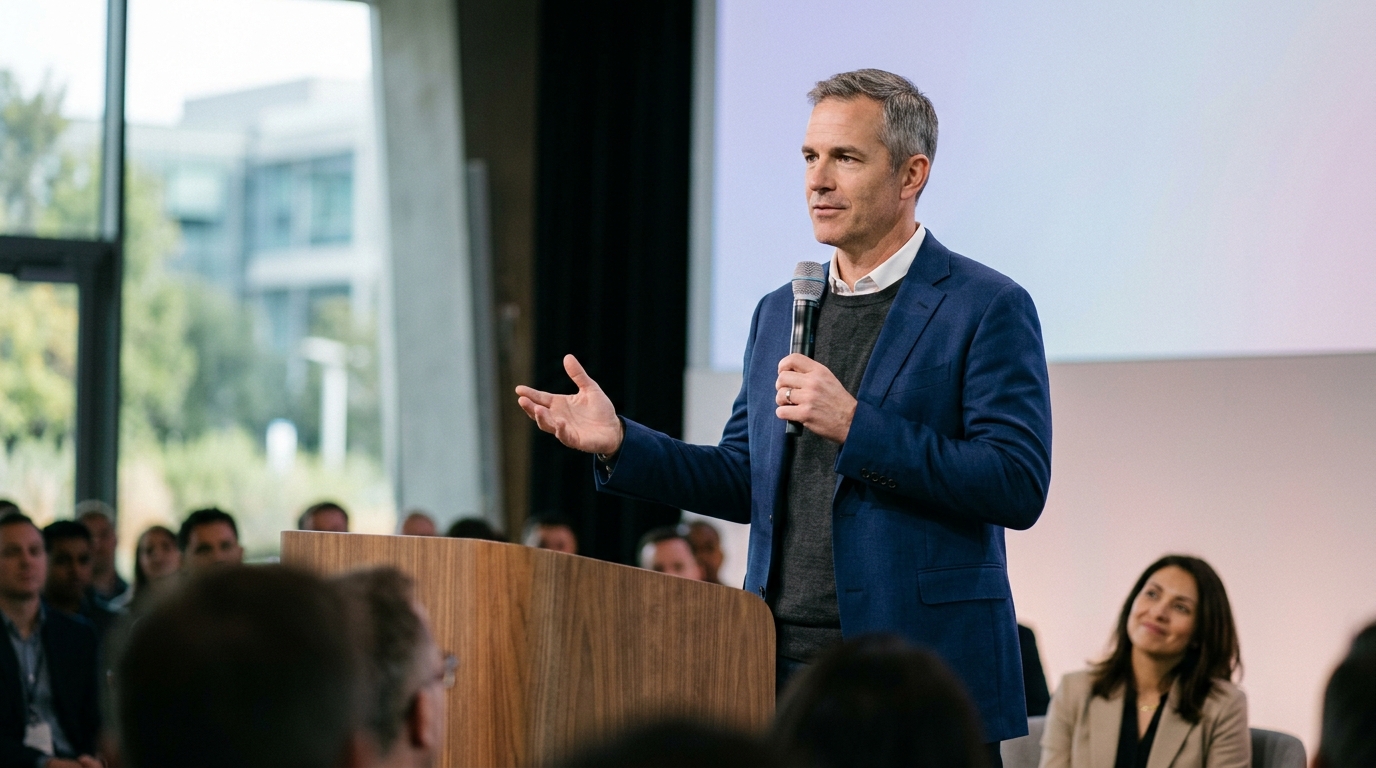
"AI is not replacing the mainframe; it is giving it the voice and the agility it needs to thrive in the 21st century," Wiegand noted in recent industry discussions.
Economic and Geopolitical Implications
The conversation around mainframes is not just technical—it is deeply economic. In an era where energy efficiency and cybersecurity are paramount, IBM z16 systems offer quantum-safe cryptography. The ability to run AI directly on the mainframe chip (on-chip AI acceleration) allows for real-time fraud detection during the transaction itself—something that would be impossible if data had to travel to an external cloud server.
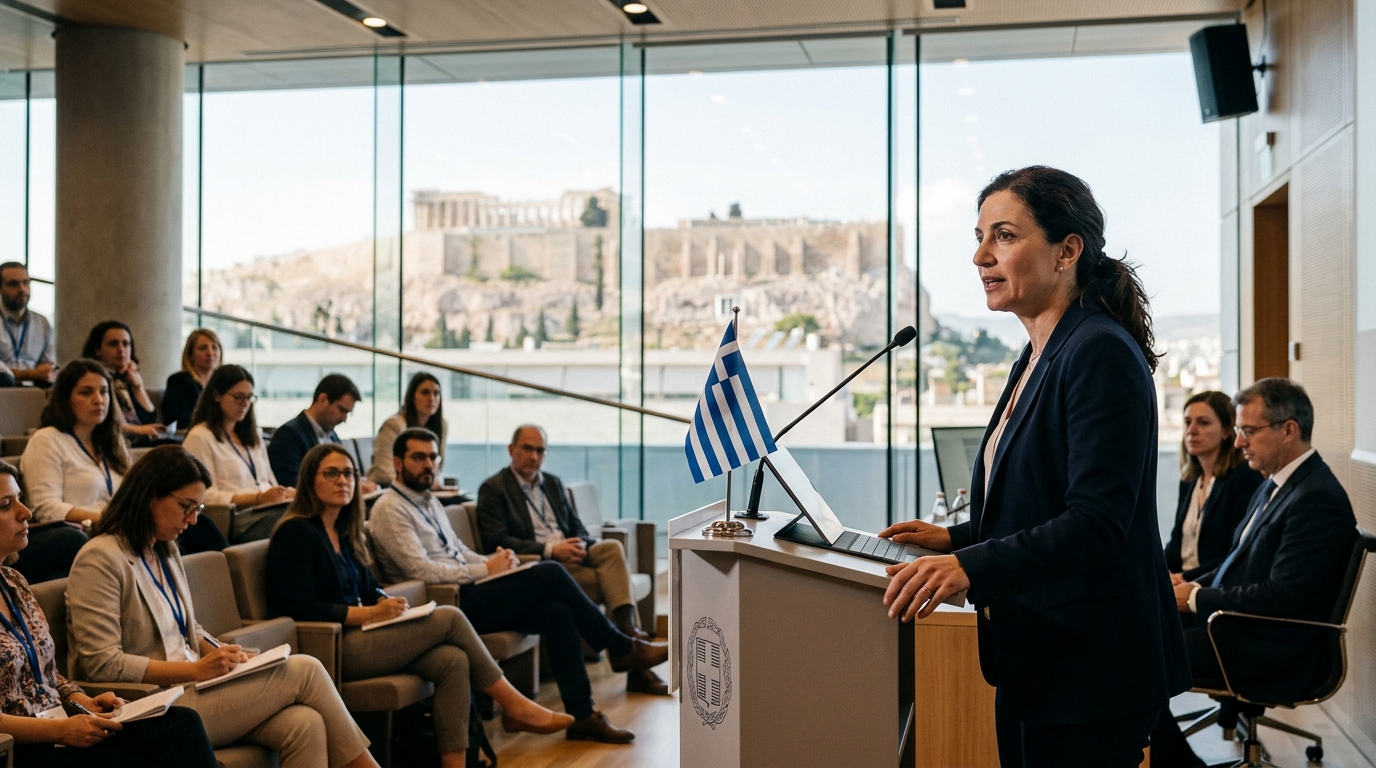
Furthermore, data sovereignty is driving many governments and organizations to keep their most critical data "on-premises." IBM, through Wiegand’s strategy, offers a way for these entities to harness the intelligence of AI without sacrificing control over their data assets. This model of "augmentation" over "replacement" is gaining traction as enterprises realize that the stability of the past can be harmoniously blended with the speed of the future.
Conclusion: Toward a Symbiotic Computing Era
IBM’s approach, guided by leaders like Dan Wiegand, demonstrates that the future of IT is not a straight line of replacement but a cycle of evolution. Artificial Intelligence acts as the connective tissue that allows systems from different generations to collaborate. For the global market, this means less wasted capital on failed modernization projects and more focus on meaningful innovation. The mainframe is no longer a "dinosaur" in the basement; it is a powerful hub in an intelligent, global network.