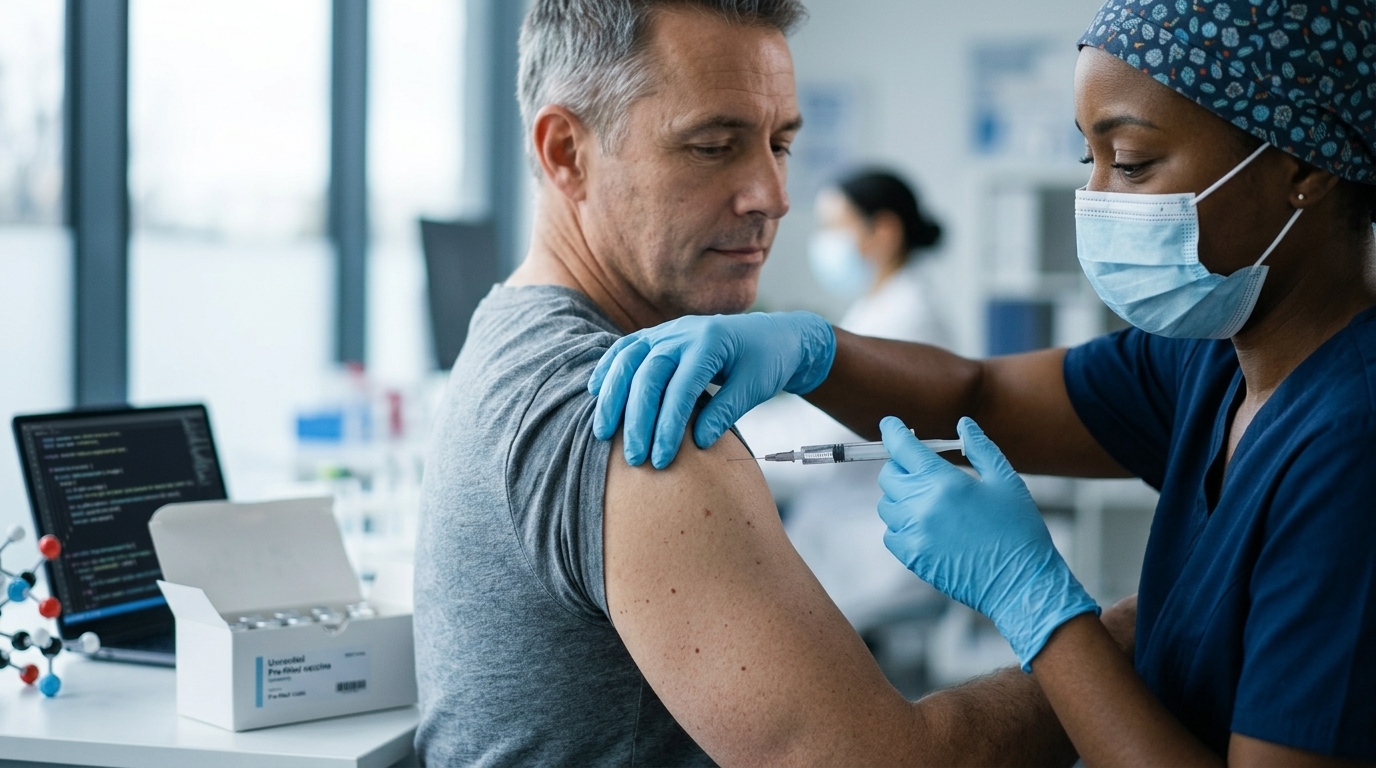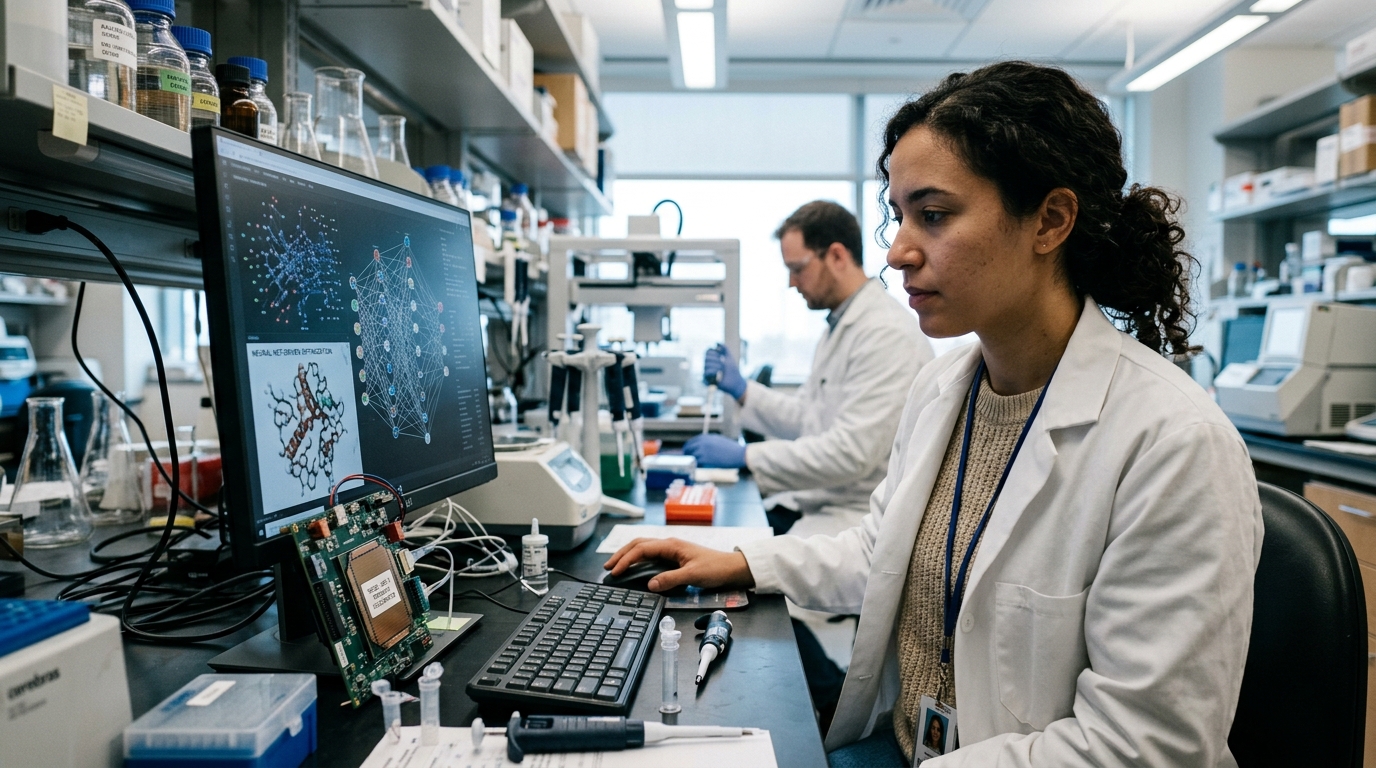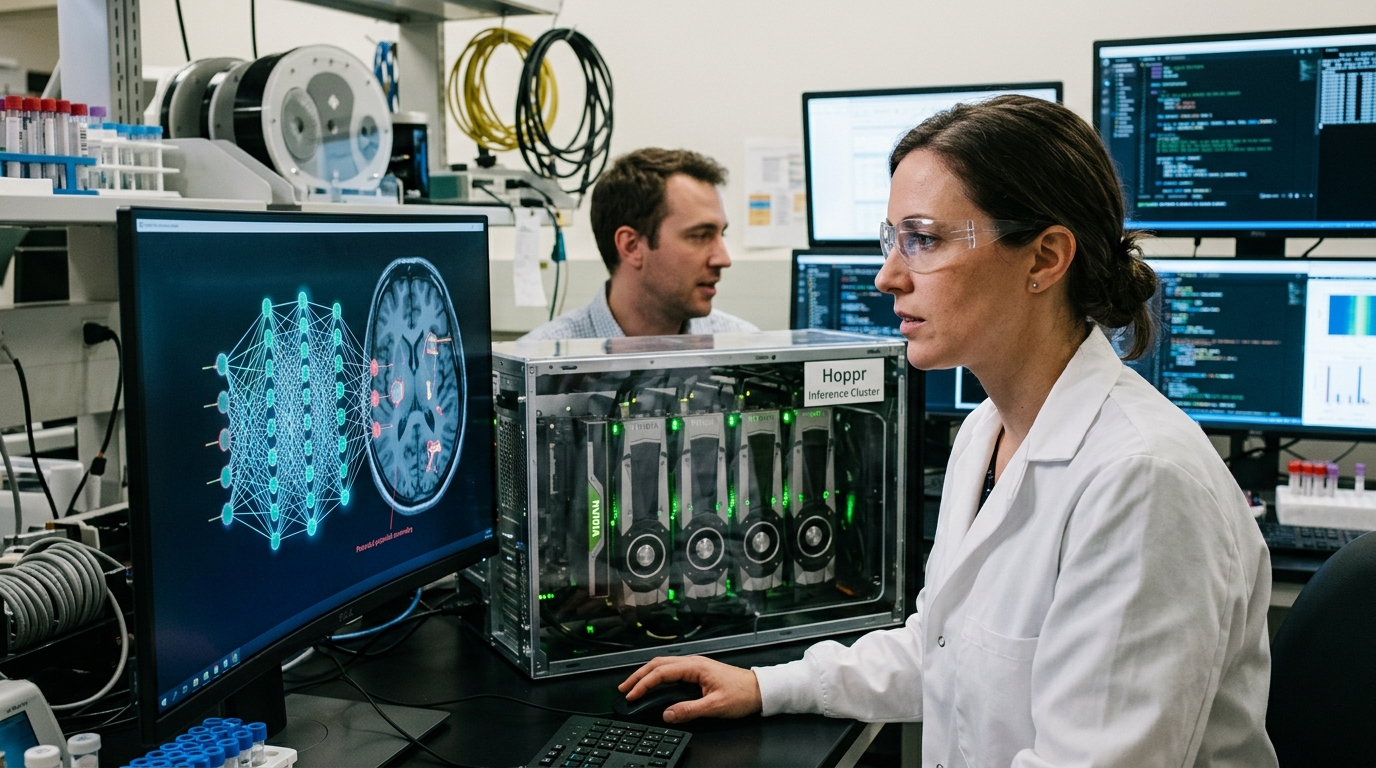
For years, the promise of Artificial Intelligence (AI) in healthcare has felt like an unfulfilled prophecy. While labs and startups showcase daily algorithms capable of spotting tumors more accurately than radiologists or predicting heart failure days in advance, the reality within hospital walls remains stubbornly analog. The problem isn't a lack of intelligence; it's a lack of scale. The industry is suffering from what experts call 'pilotitis'—thousands of fragmented projects that thrive in a controlled environment but fail to translate to the messy reality of global clinical practice.
The Data Barrier and the Curse of Silos
Why is scaling healthcare AI so uniquely difficult? The answer lies in the DNA of medical data. Unlike the text or photos found on the open web, medical data is highly heterogeneous, deeply sensitive, and locked away in private archives. Every hospital system uses different protocols, DICOM images vary in quality depending on the hardware manufacturer, and physician notes are often inconsistent and unstructured.
Furthermore, there is the issue of 'data drift.' An algorithm trained on a specific population in Palo Alto might perform poorly when deployed in a clinic in Athens or New Delhi, due to differences in genetics, lifestyle, or even machine settings. This lack of generalizability makes healthcare AI development an expensive, bespoke process where every new installation essentially requires retraining the model from scratch.
The Nvidia Strategy and Hoppr's Grace Model
This is where the partnership between Nvidia and Hoppr enters the frame. Hoppr, a healthcare-focused AI company, is developing 'Grace,' a multimodal foundation model for medical imaging. The central thesis is revolutionary: instead of building thousands of niche, specialized models for every individual disease, we create a massive, 'omniscient' foundation model that understands the underlying language of medical imaging as a whole.
"Our collaboration with Nvidia isn't just about raw compute; it's about providing an infrastructure that allows developers to build clinical-grade applications in weeks rather than years," Hoppr's leadership notes.
Nvidia provides the BioNeMo ecosystem and the massive GPU compute power necessary to train Grace on vast datasets without compromising patient privacy. Using techniques like federated learning, the model can 'learn' from hospital data without that data ever leaving the institution's secure servers. This effectively bypasses the largest legal and ethical hurdles to scaling AI in the medical field.
From Diagnosis to Treatment: The Economic Dimension
Scaling AI is not just a medical imperative; it is an economic one. Hospitals worldwide are under immense pressure from staffing shortages and skyrocketing costs. If AI can automate routine tasks—such as pre-sorting chest X-rays or segmenting organs in CT scans—physicians can pivot their focus to complex, high-stakes cases. Hoppr aims to become the 'App Store' of medical imaging, where clinics can 'download' specialized applications built on top of the Grace model, drastically lowering the barrier to entry.
However, significant hurdles remain. Regulatory approval from bodies like the FDA remains a bottleneck. Moreover, the 'black box' problem persists: if a foundation model makes an error, how do we trace it? Nvidia and Hoppr are investing heavily in Explainable AI (XAI) tools to ensure that doctors can understand the 'why' behind an algorithm's suggestion, maintaining the human-in-the-loop necessity.
The Future: A New Era for Clinical Practice
The success of Nvidia and Hoppr will ultimately be measured by their ability to convince a conservative medical establishment to trust these systems. Moving from 'lab experiment' to 'clinical routine' requires more than just elegant code; it requires a culture shift. If the Grace model succeeds in becoming the standard upon which future diagnostic apps are built, we may finally see AI deliver on its core promise: making healthcare more equitable, precise, and accessible for everyone.