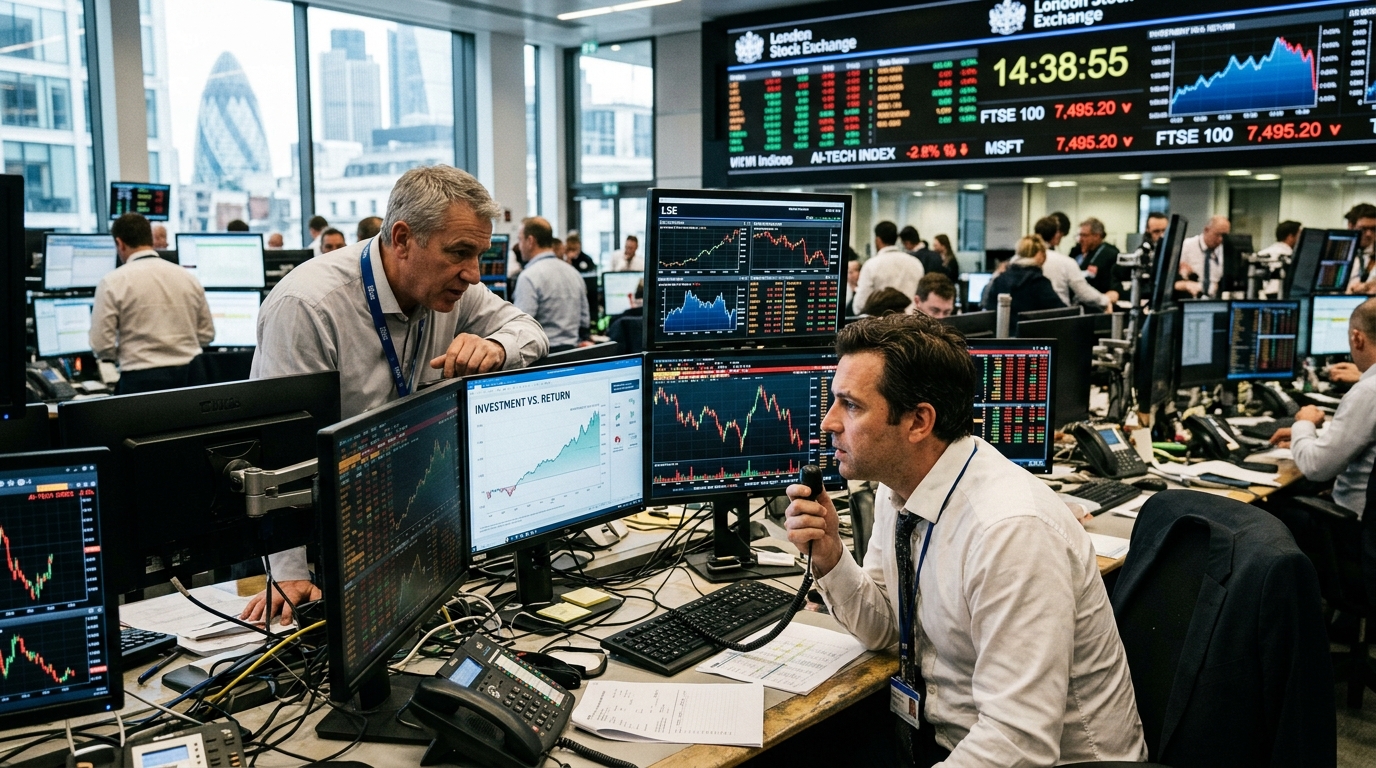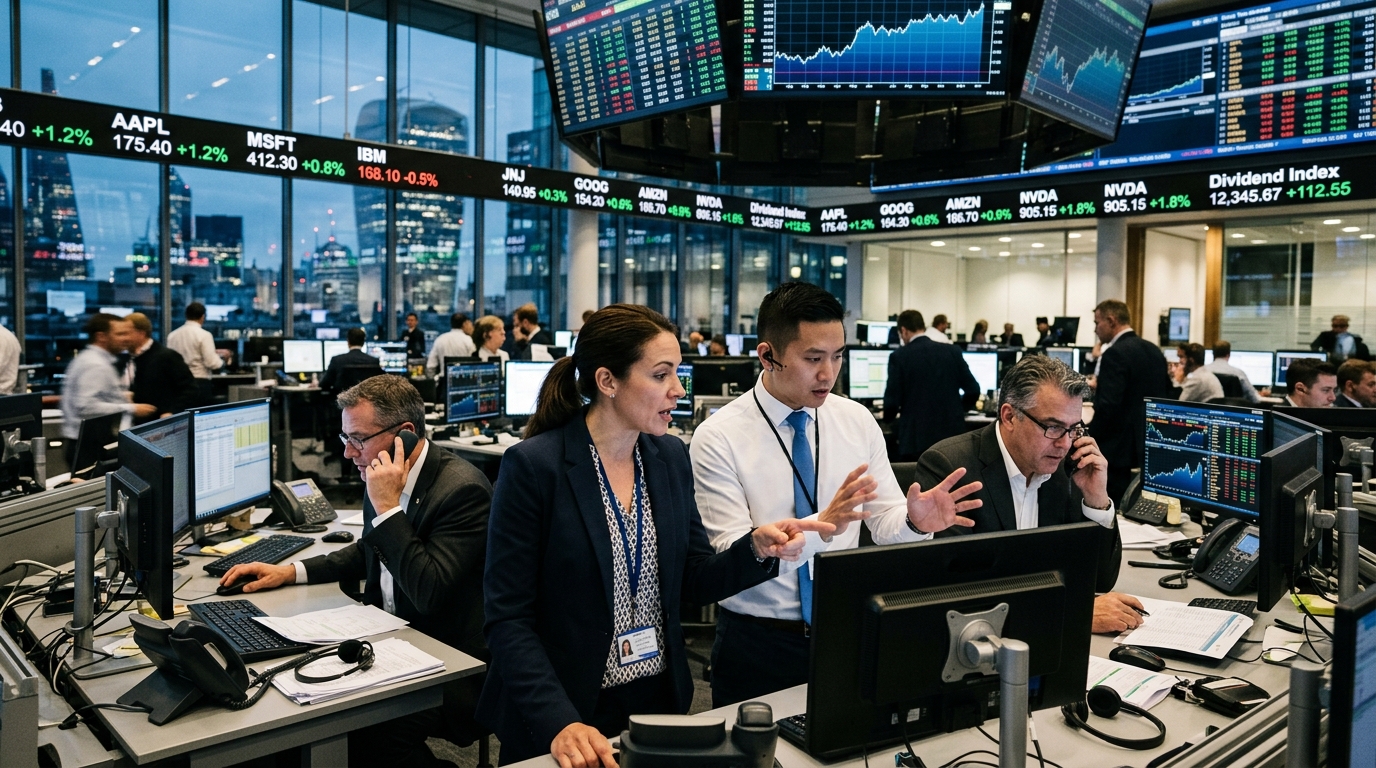
Singapore has once again cemented its status as a global financial nexus, hosting Bank of America’s (BofA) "Breakthrough Technology Dialogue." In an insightful discussion, Bernard Mensah, President of International at Bank of America, outlined a vision where Artificial Intelligence (AI) is no longer a peripheral optimization tool but the bedrock of the bank’s global business strategy. Speaking from the sidelines of the event, Mensah addressed how the intersection of machine intelligence and high finance is redefining international trade, risk management, and client relations in an increasingly volatile world.
The Multi-Billion Dollar Tech Bet
For Bank of America, the push into technology is backed by staggering capital. With an annual technology budget hovering around $12 billion, the institution is effectively a tech giant with a banking license. Mensah emphasized that AI is being woven into the fabric of every operation. From the sophisticated algorithms used in fraud detection to the consumer-facing AI assistant, Erica, the bank is leveraging data to create a more frictionless experience. However, the international strategy Mensah oversees focuses on a more complex layer: institutional and corporate banking.
In the global arena, AI’s primary value lies in its ability to synthesize gargantuan datasets into actionable intelligence. Mensah noted that in a world where geopolitical shifts can alter supply chains overnight, the ability to provide clients with real-time risk assessments is a significant competitive advantage. By utilizing AI to monitor global trade flows and currency fluctuations, BofA aims to move from being a mere provider of capital to a strategic intelligence partner for its global clientele.
Human Capital in the Age of Automation
A recurring theme in Mensah’s discourse was the preservation of the human element. Despite the heavy investment in automation, he remains a staunch believer that the "human touch" is irreplaceable in high-stakes finance. "AI can provide the answers, but humans must ask the right questions," Mensah remarked, highlighting the bank's commitment to upskilling its workforce rather than simply replacing it. This philosophy is central to BofA’s approach: using AI to strip away the mundane, administrative tasks, thereby freeing up advisors to focus on complex problem-solving and relationship building.
This is particularly relevant in the Asia-Pacific region, where Mensah sees immense growth potential. In markets like Singapore, India, and Vietnam, business is often conducted through a lens of long-term trust and personal rapport. The strategy, therefore, is to deploy "high-tech" tools to handle the back-end complexity while maintaining a "high-touch" advisory model for the front-end. This hybrid approach is designed to cater to the next generation of Asian entrepreneurs who demand digital efficiency without sacrificing the nuanced understanding that only a human banker can provide.
Geopolitics and the New Digital Sovereignty
The conversation also touched upon the delicate geopolitical balancing act required of a global bank. As the United States and China continue their tug-of-war over AI supremacy and semiconductor dominance, international banks find themselves navigating a fragmented regulatory landscape. Mensah suggested that BofA views technology as a unifying force. By building flexible, cloud-based infrastructures, the bank can adapt to localized data sovereignty laws while maintaining a unified global service standard.
Furthermore, Mensah pointed to the "leapfrogging" effect in emerging markets. Countries in Southeast Asia and India are often more agile in adopting AI because they aren't tethered to the same legacy systems that slow down innovation in Western Europe. Bank of America is positioning itself to finance the digital infrastructure of these regions, recognizing that the future of international trade will be built on blockchain-verified supply chains and AI-driven trade finance. For Mensah, the goal is to ensure that BofA remains the primary gateway for capital flowing into these high-growth corridors.
"Technology is no longer a separate department of the bank; it is the very DNA of how we conduct our international business." — Bernard Mensah
Conclusion: A New Era of Financial Intelligence
Bernard Mensah’s insights in Singapore reflect a fundamental shift in the banking industry. The competition is no longer just between Wall Street rivals, but between traditional institutions and agile fintech disruptors. By committing to a massive tech spend and a strategy that prioritizes AI integration, Bank of America is attempting to future-proof its operations. The success of this strategy will depend on the bank's ability to maintain its reputation for security while embracing the radical transparency and speed that AI offers. In the coming years, the "Breakthrough" won't just be in the technology itself, but in how traditional giants like BofA transform themselves into truly digital-first global entities.