As we navigate the mid-2020s, the narrative surrounding Artificial Intelligence (AI) has shifted from simple conversational tools to the grand promise of "autonomous science." From predicting protein folding to discovering novel materials for energy storage, AI is often portrayed as an omniscient partner capable of solving problems that have bedeviled humanity for decades. However, a deeper analysis of the scientific method reveals that AI, in its current iteration, remains a highly sophisticated statistical engine, devoid of the fundamental capacity to truly "understand" the world it analyzes.
The Trap of Correlation vs. Causality
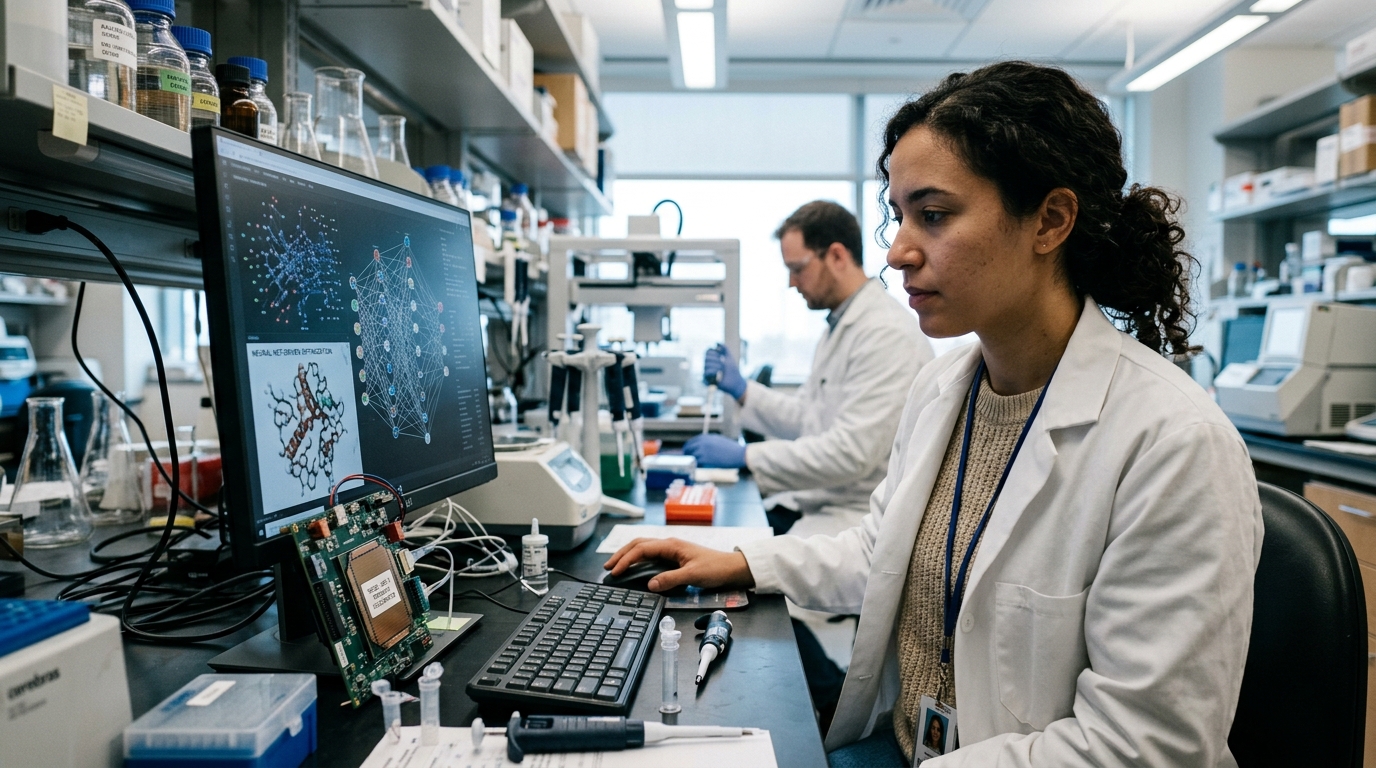
The primary obstacle to a purely "artificial" science is the inability of neural networks to distinguish between correlation and causality. Science is not merely about finding patterns in vast datasets; it is about constructing theoretical frameworks that explain *why* a phenomenon occurs. An AI model can accurately predict the outcome of a chemical reaction based on billions of prior examples, yet it cannot grasp the concept of entropy or thermodynamic equilibrium unless these principles are pre-encoded by humans. Without a scientist to frame the question and interpret the output, AI risks generating "pseudoscience"—results that appear statistically valid but lack physical meaning or reproducibility in the real world.
The Black Box Problem and the Trust Crisis
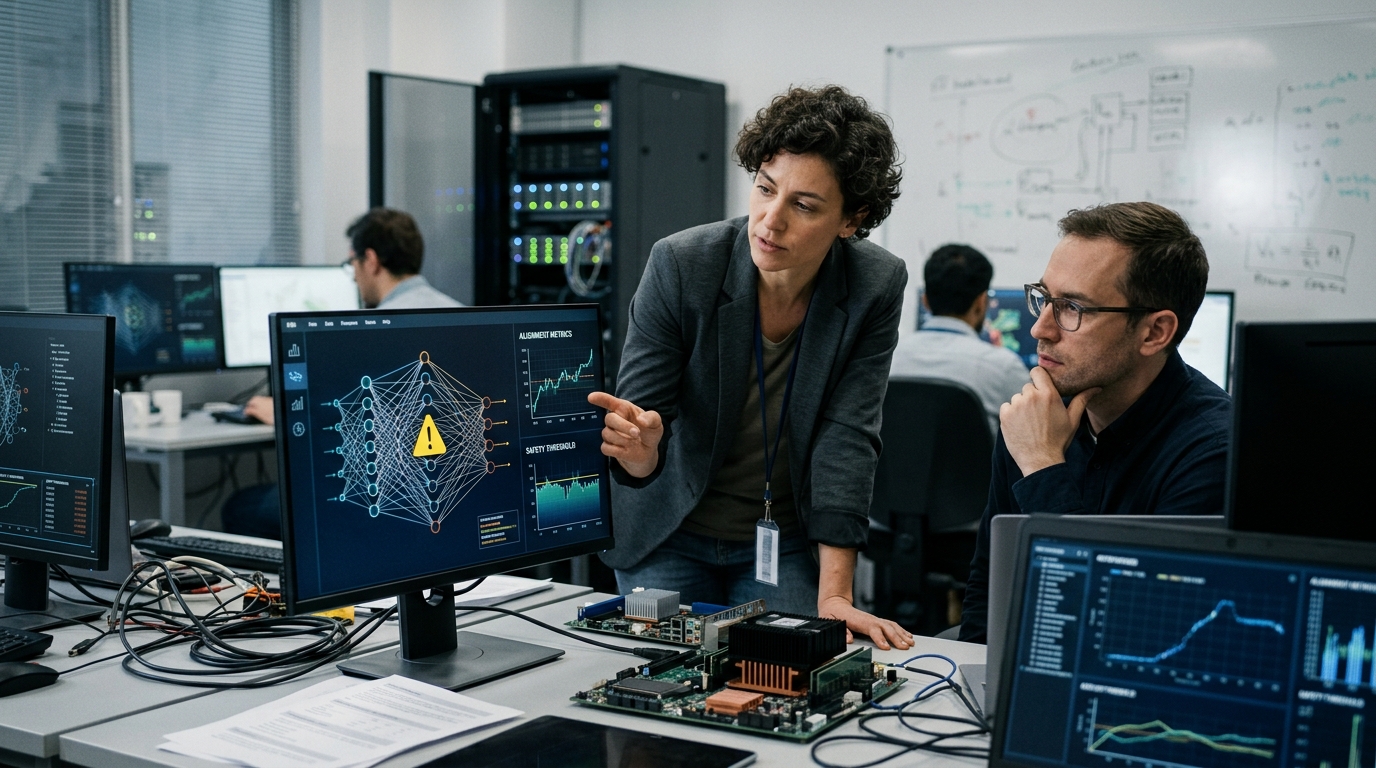
Another critical issue is the lack of interpretability. Many of the most advanced deep learning models operate as "black boxes." They provide an answer but fail to explain the underlying logic. In science, the proof is as vital as the conclusion. If an algorithm identifies a new drug candidate, researchers must understand its mechanism of action to ensure safety and efficacy. Blindly trusting an algorithm contradicts the very nature of the skepticism that defines scientific inquiry. Furthermore, AI is prone to "hallucinations," generating convincing but false scientific data or citations, making human oversight the ultimate safeguard for research integrity.
- AI excels at speed and scale, but humans excel at strategic problem selection.
- Scientific intuition and serendipity—the accidental discovery—cannot be programmed.
- Ethical responsibility for the consequences of a discovery rests solely with humans.
- AI models are trained on existing knowledge, making it difficult to produce truly paradigm-shifting theories.
The Scientist as a "Centaur"
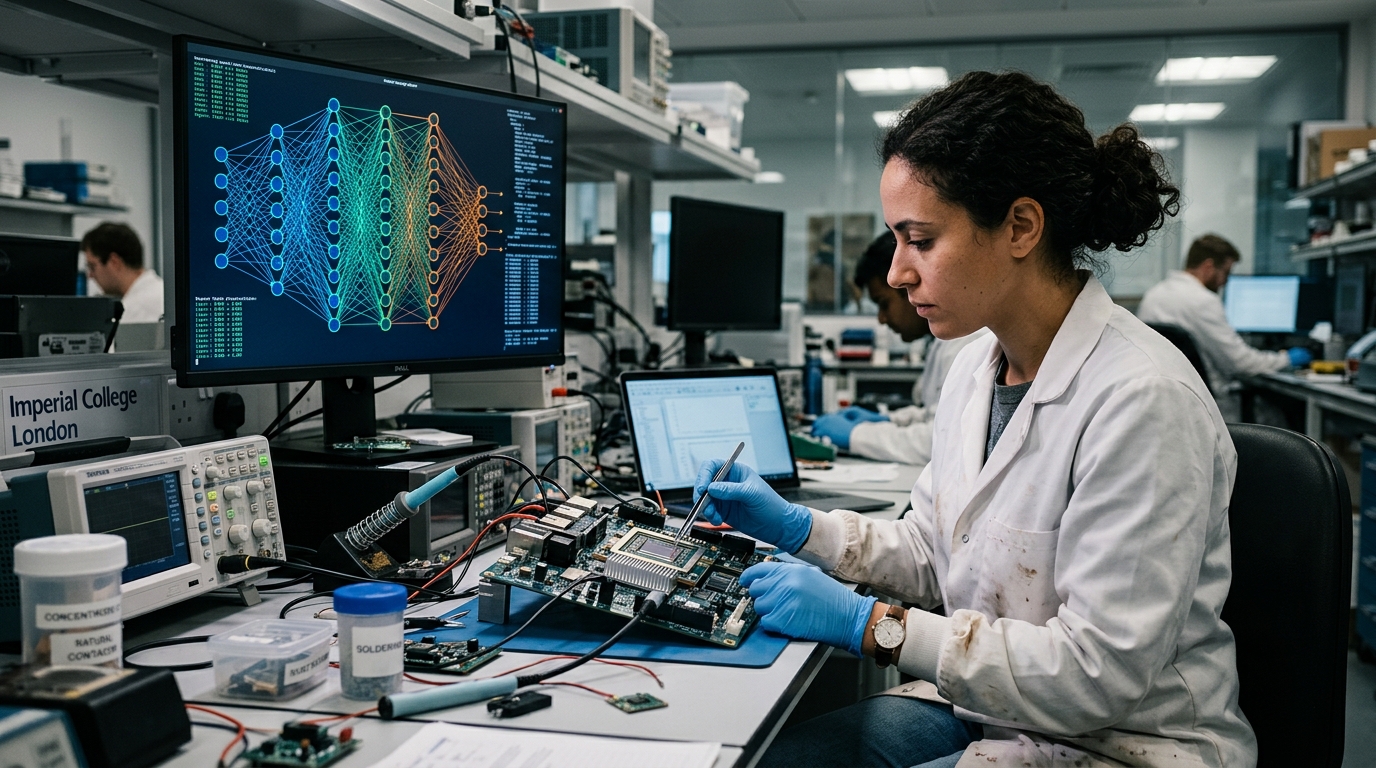
The solution lies not in rejecting AI, but in fostering a symbiotic relationship. Just as in chess, where "Centaurs" (teams of humans and computers) outperform either alone, in science, the fusion of human creativity with AI's computational power is the path forward. The scientist of 2026 is no longer the one performing manual calculations, but the one designing the experiment, guiding the AI to explore the right hypotheses, and, most importantly, connecting findings to societal needs. Science remains a deeply human endeavor—a quest to understand our place in the universe, something no silicon processor can desire or appreciate.
Institutional Integrity and the Peer Review Crisis
The integration of AI into science also brings systemic risks to the institutions of knowledge. We are seeing a surge in AI-generated papers that bypass traditional rigor, threatening to clog the peer-review process with high-volume, low-insight content. The human scientist acts as a gatekeeper of quality. Without the critical eye of an expert who understands the nuances of experimental error and the history of the field, the scientific record could become polluted with algorithmic noise. The role of the scientist is evolving from a data gatherer to a curator of truth in an age of automated misinformation.
"AI can provide us with the answers, but only a human knows if we have asked the right question."
In conclusion, AI is the ultimate accelerator, but the driver remains human. The necessity of scientists is not diminishing; rather, it is being elevated. From laboratory technicians, they are transforming into architects of knowledge, tasked with the duty of ensuring that technological progress remains aligned with truth and ethics. The future of science is not AI replacing scientists, but AI empowering them to reach frontiers previously deemed unreachable.