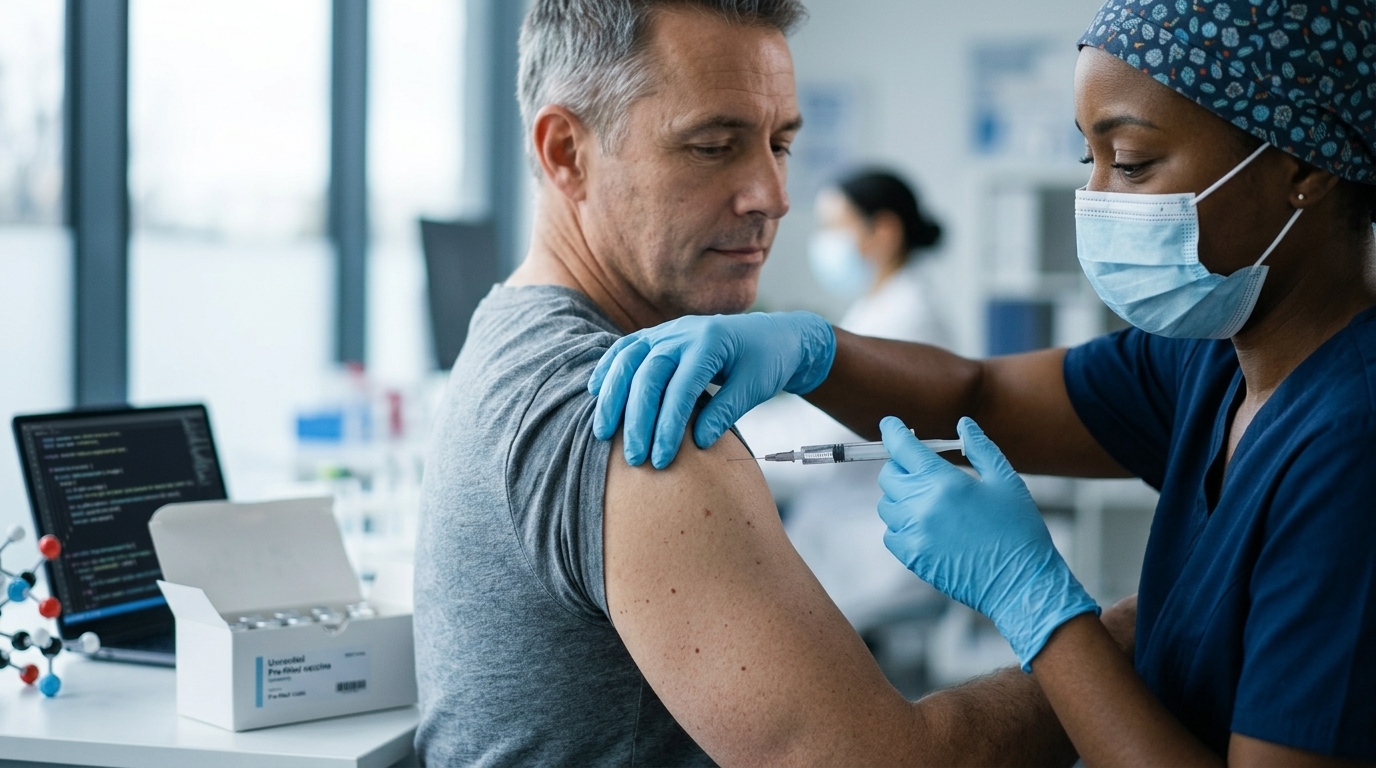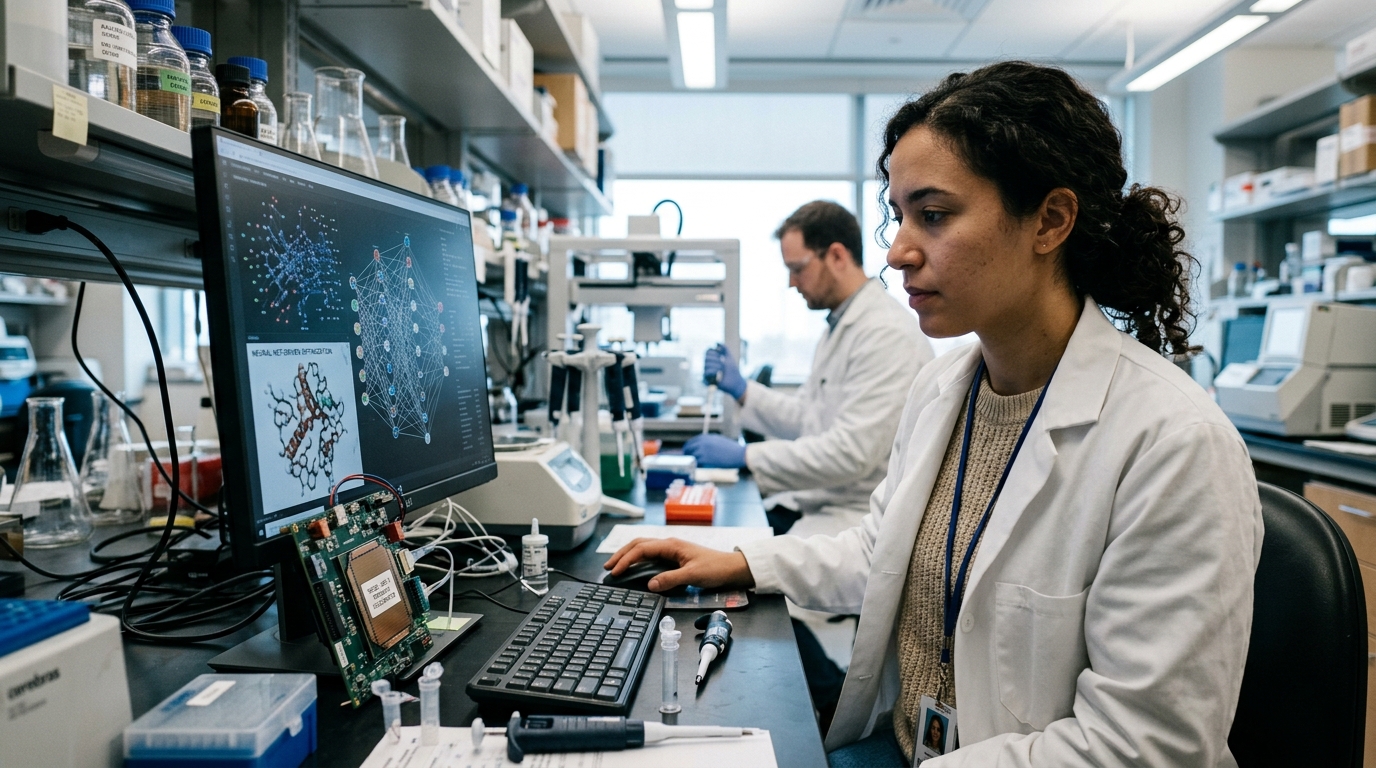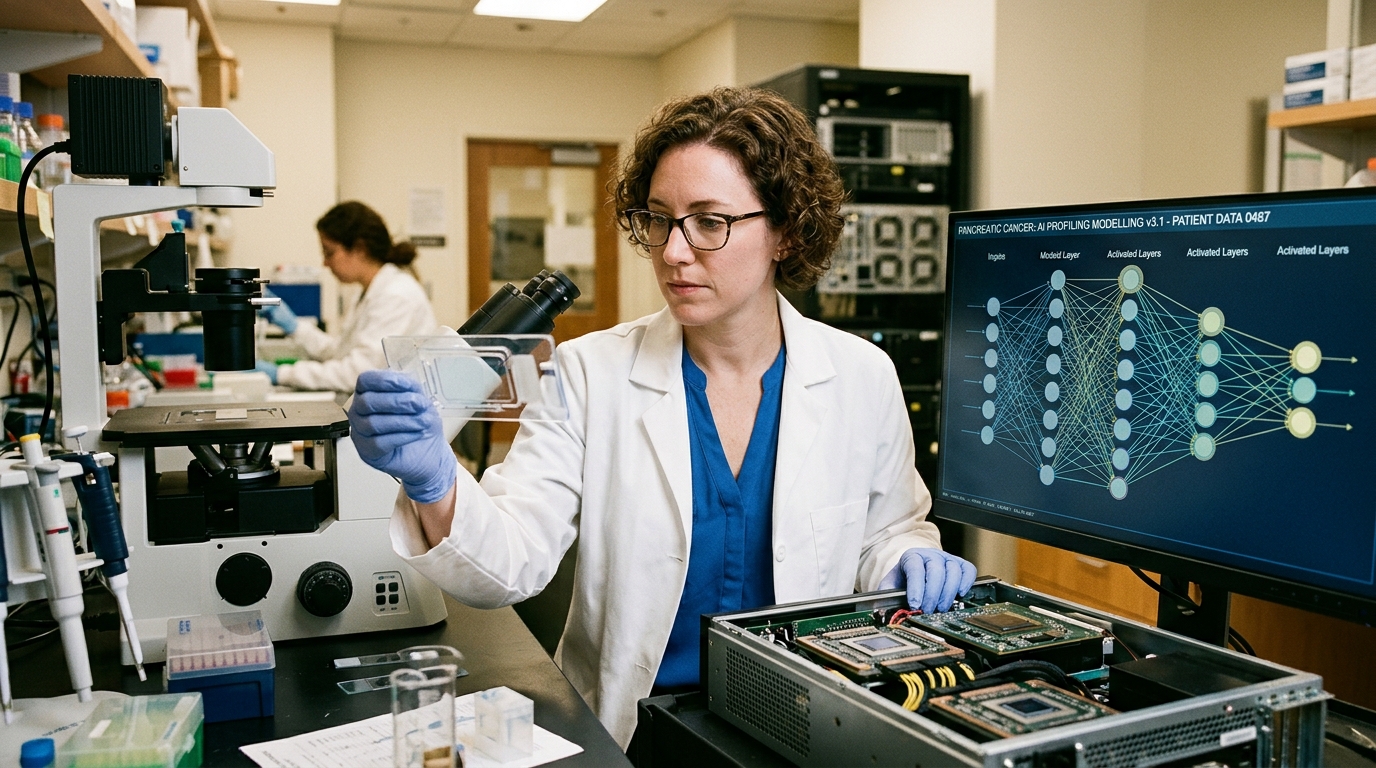
Pancreatic cancer has long been one of modern medicine's most daunting adversaries, earning its reputation as the "silent killer" due to its lack of early symptoms and aggressive progression. However, the paradigm is shifting rapidly. The convergence of Artificial Intelligence (AI), targeted drug therapies, and groundbreaking surgical techniques is promising to transform a once-fatal diagnosis into a manageable, or even curable, condition.
AI: The Vanguard of Early Detection
The primary obstacle in treating pancreatic cancer is time. By the time symptoms manifest, the tumor is often advanced. This is where AI steps in. New deep learning algorithms are being trained to analyze thousands of CT and MRI scans with precision that surpasses the human eye. These systems can identify subtle alterations in pancreatic tissue years before a tumor becomes visible during a standard radiological review.
- AI-driven biomarker analysis to predict risk in pre-diabetic patients.
- Automated detection of cysts with high malignant potential.
- Clinical decision support systems that integrate genomic data with imaging findings.
"AI does not replace the radiologist; it provides them with a superpower to see the invisible," state leading oncologists.
Targeted Therapies and the Fall of the 'Undruggable' KRAS
For decades, the KRAS gene—responsible for over 90% of pancreatic adenocarcinoma cases—was considered "undruggable." Chemotherapy was the only recourse, often with limited success. Today, pharmaceutical research has achieved the impossible. New KRAS inhibitors, such as sotorasib and adagrasib, are showing encouraging results in clinical trials by directly targeting the genetic mutation that fuels the tumor.
Furthermore, while immunotherapy was initially less effective in the pancreas due to the tumor's "hostile" microenvironment, it is now being combined with novel agents that "unlock" the cancer's defenses, allowing T-cells to attack. Precision medicine now enables clinicians to create a "molecular profile" of each tumor, selecting the drug that fits the specific patient's genetic makeup.
Precision Surgery: From Scalpels to NanoKnife
Surgery remains the only chance for a total cure, but it is traditionally a complex and high-risk procedure (Whipple procedure). New techniques are redefining the surgical landscape:
- Robotic Surgery: Systems like Da Vinci allow surgeons to perform delicate maneuvers in confined spaces with minimal blood loss and faster recovery times.
- NanoKnife (IRE): A non-thermal technique that uses high-voltage electrical pulses to destroy cancer cells while preserving adjacent vital vessels and nerves.
- Neoadjuvant Therapy: Administering targeted drugs before surgery to shrink the tumor, making previously "inoperable" cases eligible for surgical intervention.
The integration of these technologies into clinical practice offers a beacon of hope. The challenge now lies in ensuring equitable access to these innovations, as their high cost necessitates strategic planning within national healthcare frameworks. We are moving from a period of clinical fatalism to an era of proactive, data-driven oncology.