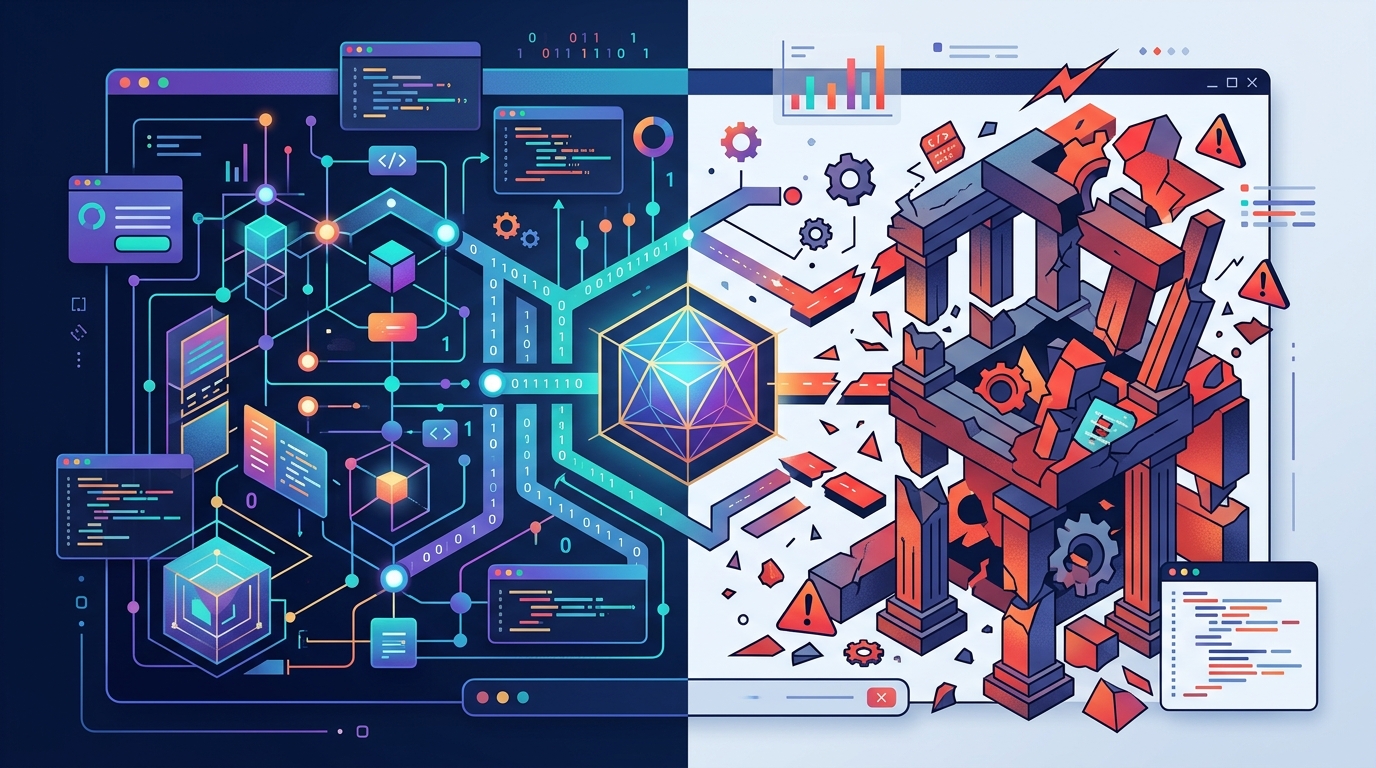
Modern oncology stands at a critical crossroads. On one hand, the volume of medical data—from genomic sequencing to complex imaging—is growing exponentially, making it impossible for a single clinician to synthesize it all. On the other hand, the imperative for patient privacy (HIPAA, GDPR) limits the ability of Large Language Models (LLMs) to be trained on real-world, sensitive clinical data. OncoAgent, an innovative framework developed during the AMD Developer Hackathon, aims to resolve this paradox through a sophisticated multi-agent approach.
The Dual-Tier Architecture: Privacy Meets Performance
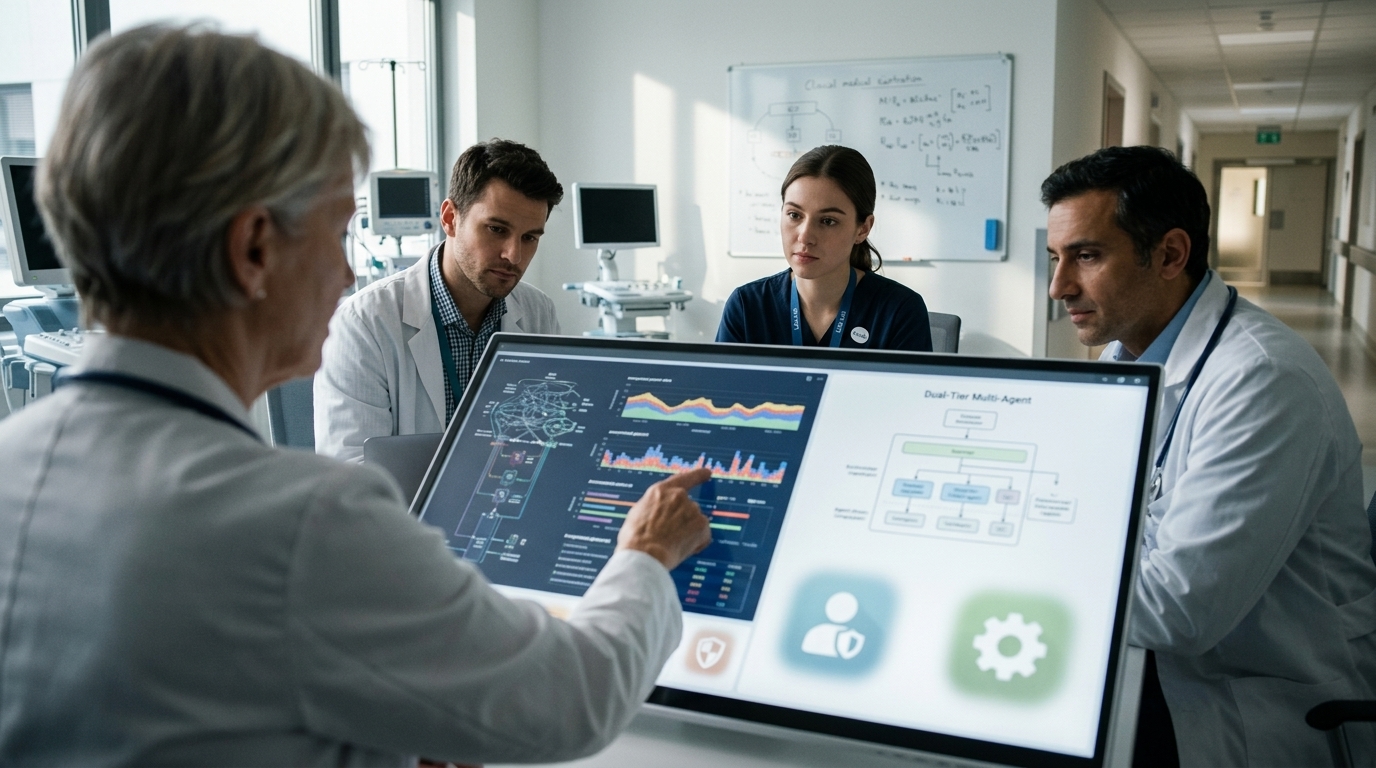
OncoAgent is not a single language model but a "multi-agent system" operating across two distinct layers: the Local Tier and the Global Tier. This division of labor ensures that sensitive patient information never leaves the secure confines of the hospital's infrastructure. The Local Tier runs on on-premise hardware—optimized for AMD's ROCm platform—and handles the raw medical records. Here, specialized agents anonymize and summarize the data, extracting only the critical clinical features necessary for decision-making.
The Global Tier then takes this summarized, non-identifiable information to perform complex reasoning. By utilizing state-of-the-art models like GPT-4 or Llama-3, the system cross-references the patient's data with global medical literature, ongoing clinical trials, and the latest therapeutic guidelines. Consequently, the physician receives a highly informed recommendation without ever exposing the patient's identity to the public cloud.
The Digital Tumor Board
The brilliance of OncoAgent lies in the specialization of its constituent agents. Rather than relying on a general-purpose algorithm, the system simulates a multidisciplinary Tumor Board. It features dedicated agents for:
- Pathology: Analyzing biopsy reports and histological findings.
- Radiology: Interpreting imaging results from CT, MRI, and PET scans.
- Genomics: Identifying molecular drivers and mutations for targeted therapy.
- Pharmacology: Checking for drug-drug interactions and the availability of novel immunotherapies.
These agents do not work in isolation. Through a "Manager Agent," they exchange arguments, challenge each other's conclusions, and arrive at a consensus recommendation. This collaborative process significantly mitigates the risk of "hallucinations"—a common pitfall in medical AI—as every claim must be backed by evidence verified by multiple specialized perspectives.
The Role of Open Hardware and Local Execution
The choice of AMD’s hardware and the ROCm ecosystem for OncoAgent’s development highlights a major shift in healthcare IT: the move toward powerful on-premise edge computing. Many healthcare institutions are hesitant to migrate to the cloud due to strict data sovereignty laws. The ability to run 70B+ parameter models locally allows hospitals to access "frontier-level" intelligence while maintaining absolute control over their data. This is not just a matter of security; it is also about latency and reliability in critical care environments where every minute counts.
"OncoAgent does not replace the oncologist; it provides them with a tireless partner that has read every medical paper published up until last night," the researchers noted in their documentation.
Challenges and the Future of Digital Health
Despite its promise, the widespread adoption of frameworks like OncoAgent faces hurdles. Data interoperability remains a significant challenge, as hospitals often use disparate electronic health record (EHR) systems. Furthermore, the legal framework regarding liability for AI-assisted decisions is still evolving. However, OncoAgent’s methodology points toward a future of "Transparent AI"—systems that are collaborative, verifiable, and privacy-first. As we progress through 2026, such tools will likely become the standard for transforming generic treatment plans into truly personalized precision medicine.