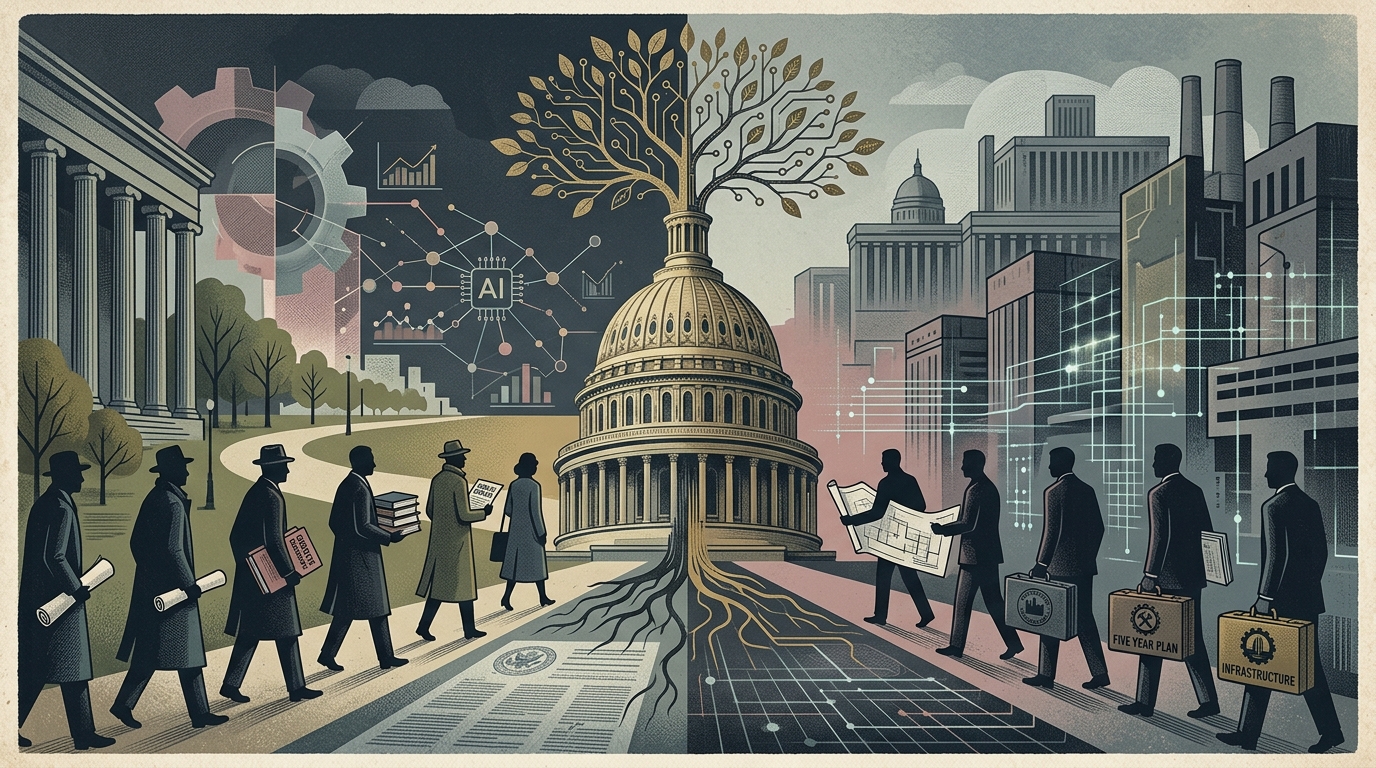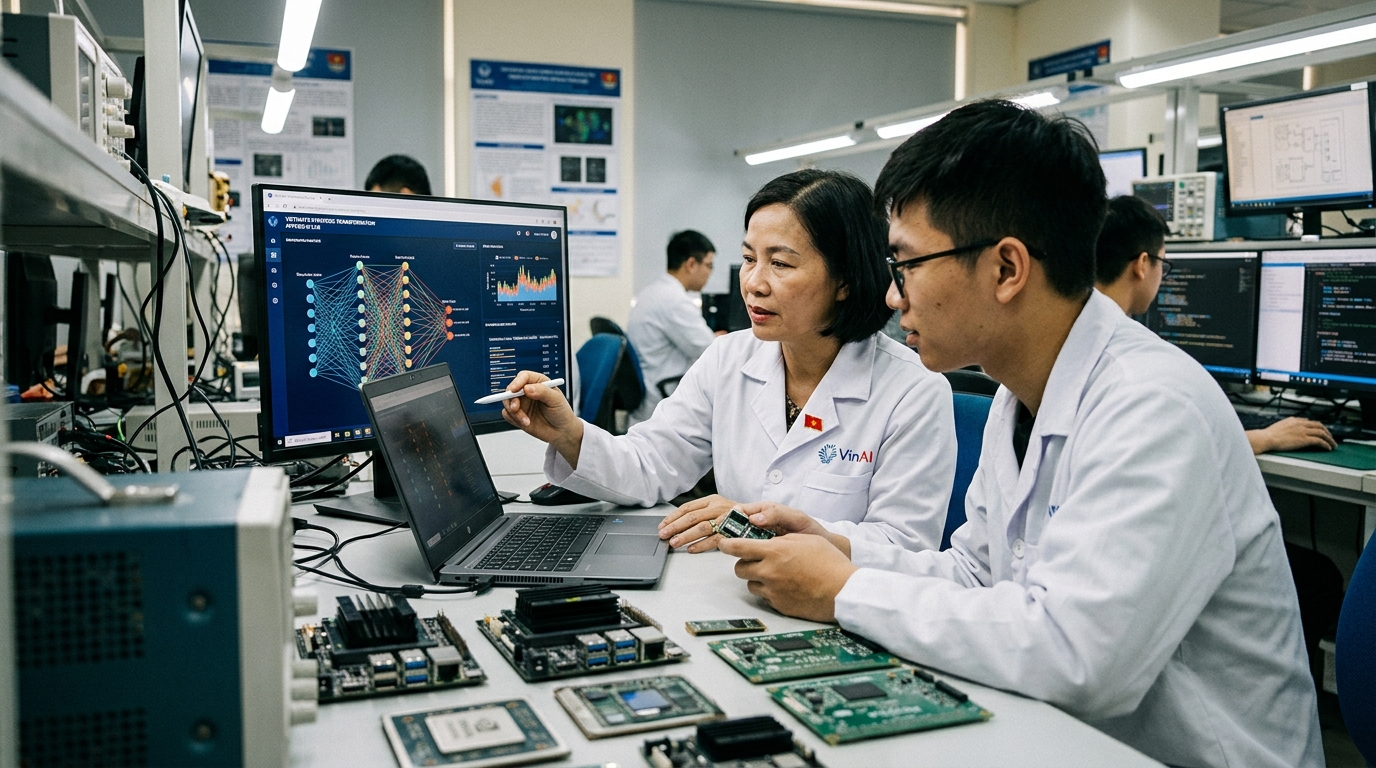
In the heart of Southeast Asia, a quiet but decisive revolution is unfolding. Vietnam, a nation associated for decades with heavy manufacturing and low-cost labor, is now attempting a "great leap forward" into the knowledge economy. The recent announcement of the launch of the Applied AI Lab (AAIL) model is not merely a technical update; it is the culmination of a national strategy aiming to position the country as a central player on the global Artificial Intelligence map by 2030.
The Strategic Significance of the Applied AI Lab
The Applied AI Lab is an initiative coordinated by Vietnam's National Innovation Center (NIC) in collaboration with international tech giants and local universities. Unlike traditional research centers that focus on theoretical analysis, the "Applied" AI model emphasizes solving real-world economic problems immediately. From optimizing supply chains to implementing smart agriculture in the Mekong Delta, the lab aims to bridge the gap between academic research and industrial application.
The Vietnamese government has set an ambitious target: to be among the top 4 ASEAN countries and the top 50 globally in AI development. The AAIL serves as the "accelerator" for this vision, providing local developers with access to high-performance computing power, large datasets, and, most importantly, expertise from Silicon Valley and Singapore.
Geopolitical Chess and Technological Autonomy
Vietnam's move does not occur in a vacuum. As trade tensions between the US and China reshape global value chains, Vietnam is emerging as the primary beneficiary of the "China Plus One" strategy. However, the country's leadership realizes that reliance on low-cost labor has an expiration date. Investing in AI is a calculated effort to avoid the "middle-income trap."
- Talent Cultivation: Vietnam boasts one of the youngest populations in the world, with a strong inclination toward STEM fields. The Applied AI Lab will serve as a nursery for thousands of young engineers.
- Attracting Investment: By providing a stable AI ecosystem, the country becomes an attractive destination for companies like Nvidia and Google, which are seeking alternative bases in Asia.
- Democratization of Technology: The model aims to support Small and Medium Enterprises (SMEs), allowing them to integrate AI solutions without the prohibitive cost of proprietary research.
Challenges and the Future of Digital Governance
Despite the optimism, the path to digital sovereignty is fraught with obstacles. The shortage of specialized personnel at the senior architect level remains palpable, while the country's data infrastructure requires a radical upgrade. Furthermore, the legal framework for the ethical use of AI and personal data protection is still in its infancy.
"Artificial Intelligence is not just a productivity tool for Vietnam; it is the key to our national survival in the 21st century," a government official recently stated during the inauguration ceremony.
In conclusion, the Applied AI Lab represents the experiment of an entire generation. If successful, Vietnam will cease to be the "world's tailor" and become its "brain," proving that technological progress is not the exclusive privilege of traditional superpowers. The international community is watching closely, as this model could serve as a blueprint for many other developing economies.