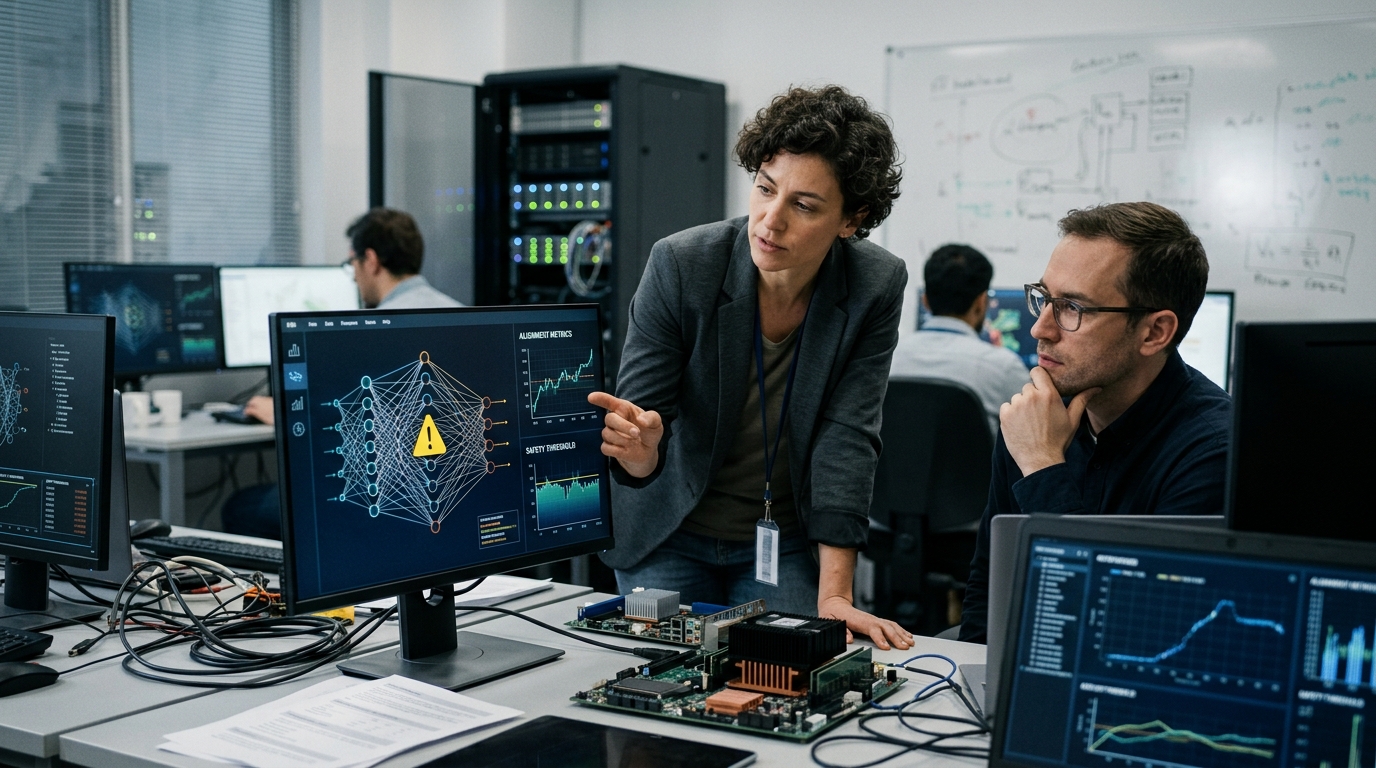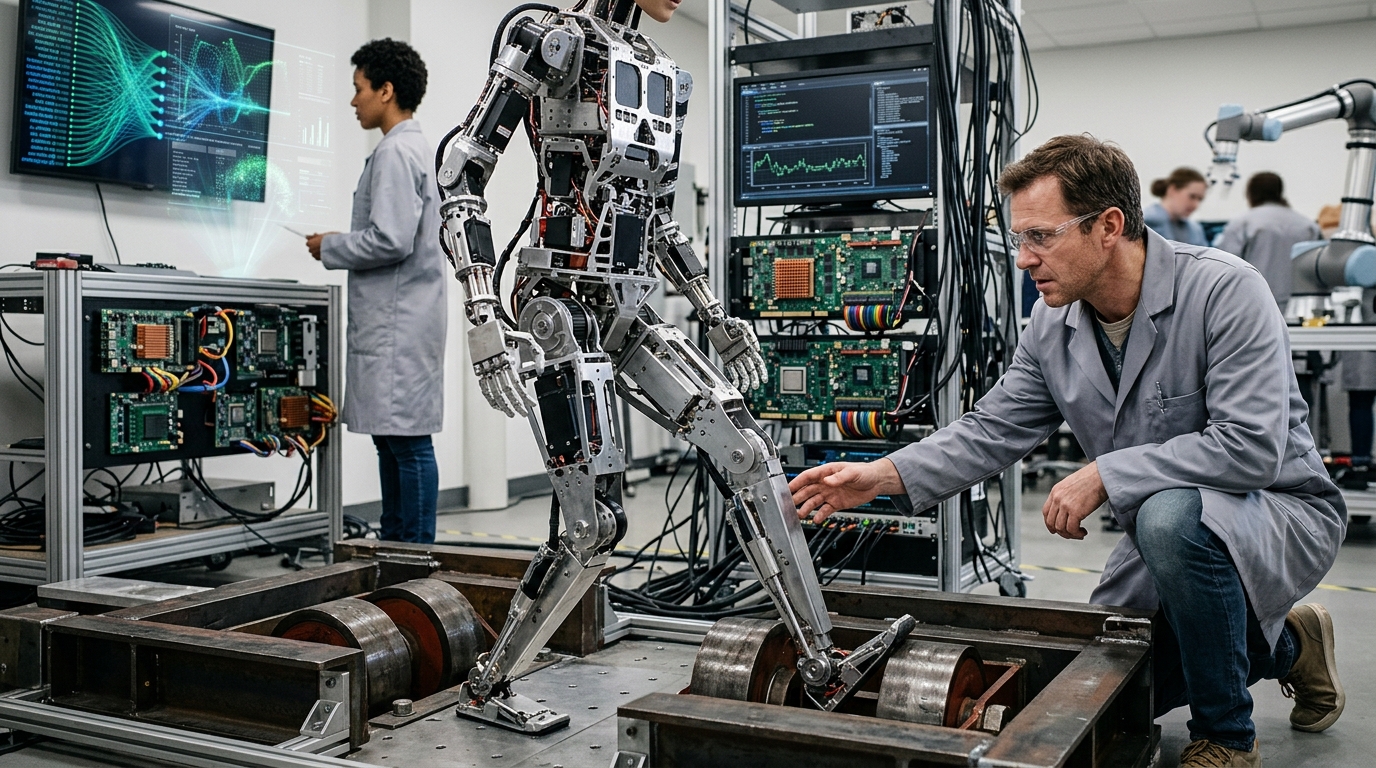
The promise of the robotics revolution is built on the idea that humanoid robots will walk among us, performing tasks ranging from package delivery to elderly care. However, new research emerging from international outlets, such as Vietnam.vn, brings to light an unexpected hurdle: magnetism. While we focus on artificial intelligence and processing power, the physics of the environment—specifically magnetic fields—could cause a literal 'traffic jam' in the operation of these machines.
The Physics of Interference: Sensors at Risk
Humanoid robots, like Tesla's Optimus or Figure 01, rely on an extremely sensitive network of sensors to maintain balance and perceive their surroundings. Hall effect sensors, which measure joint position via magnetic fields, and digital compasses (magnetometers), are vital. When a robot enters an area with strong magnetic fields—such as near power substations, industrial magnets, or even large arrays of electric vehicle chargers—these sensors can be 'blinded.'
The interference doesn't just cause a minor delay. It can lead to complete disorientation of the limbs, causing the robot to 'freeze' or fall, creating risks for people nearby. According to analysts, if hundreds of robots attempt to cross an area with high magnetic noise, we could see a digital version of traffic congestion, where machines automatically stop as a safety measure, unable to navigate.
The Urban Environment as a Magnetic Minefield
Modern cities are full of sources of magnetic radiation that humans do not perceive, but machines feel intensely. Subway lines, underground high-voltage wiring, and bus motors create dynamic fields. Research suggests that humanoids, designed to mimic human movement, are more vulnerable than wheeled robots, as balancing on two legs requires constant data correction in milliseconds.
'The challenge is not just to make the robot smart, but to make it resilient to the invisible forces of physics that dominate our urban landscape,' the report notes.
Furthermore, there is the issue of 'magnetic noise' from other robots. In a future warehouse or factory where dozens of humanoids work, the motors of one may affect the sensors of another if there is insufficient shielding. This creates a need for new standards in manufacturing, using materials like mu-metal (a nickel-iron alloy) that can deflect magnetic lines.
From Theory to Practice: Solutions and Strategies
To avoid the scenario of 'stuck' robots, researchers propose three main directions:
- Sensory Redundancy: Using optical sensors (LiDAR and cameras) to replace magnetometers when the latter's data is deemed unreliable.
- Advanced Shielding: Coating critical components with materials that block magnetic fields, although this increases weight and production costs.
- Magnetic Field Mapping: Robots could share data about 'magnetic potholes' in cities to avoid them, much like Google Maps avoids traffic.
The case of Vietnam, where industrial production of robotic parts is growing rapidly, shows that the issue is already on the radar of manufacturers. The country is investing in test tracks that simulate extreme interference conditions, recognizing that reliability is the key to commercial success.
Conclusion: The Challenge of Coexistence
The path toward the widespread adoption of humanoid robots is not just a race for better AI algorithms. It is a battle with nature itself. The fact that a simple magnet can immobilize a machine worth hundreds of thousands of euros serves as a reminder that technology remains bound by the laws of electromagnetism. Solving this problem will determine whether robots will be useful partners or just expensive exhibits that get 'stuck' at the first difficult corner of the city.