In a move that underscores the growing conviction that artificial intelligence is the "holy grail" of modern medicine, Isomorphic Labs, the health-tech arm born from the halls of Google DeepMind, is preparing to raise capital exceeding $2 billion. The news, initially reported by Bloomberg, comes at a time when the biotechnology industry is desperately seeking ways to slash the astronomical costs and timeframes associated with developing new therapies.
The Legacy of AlphaFold and Hassabis’s Vision
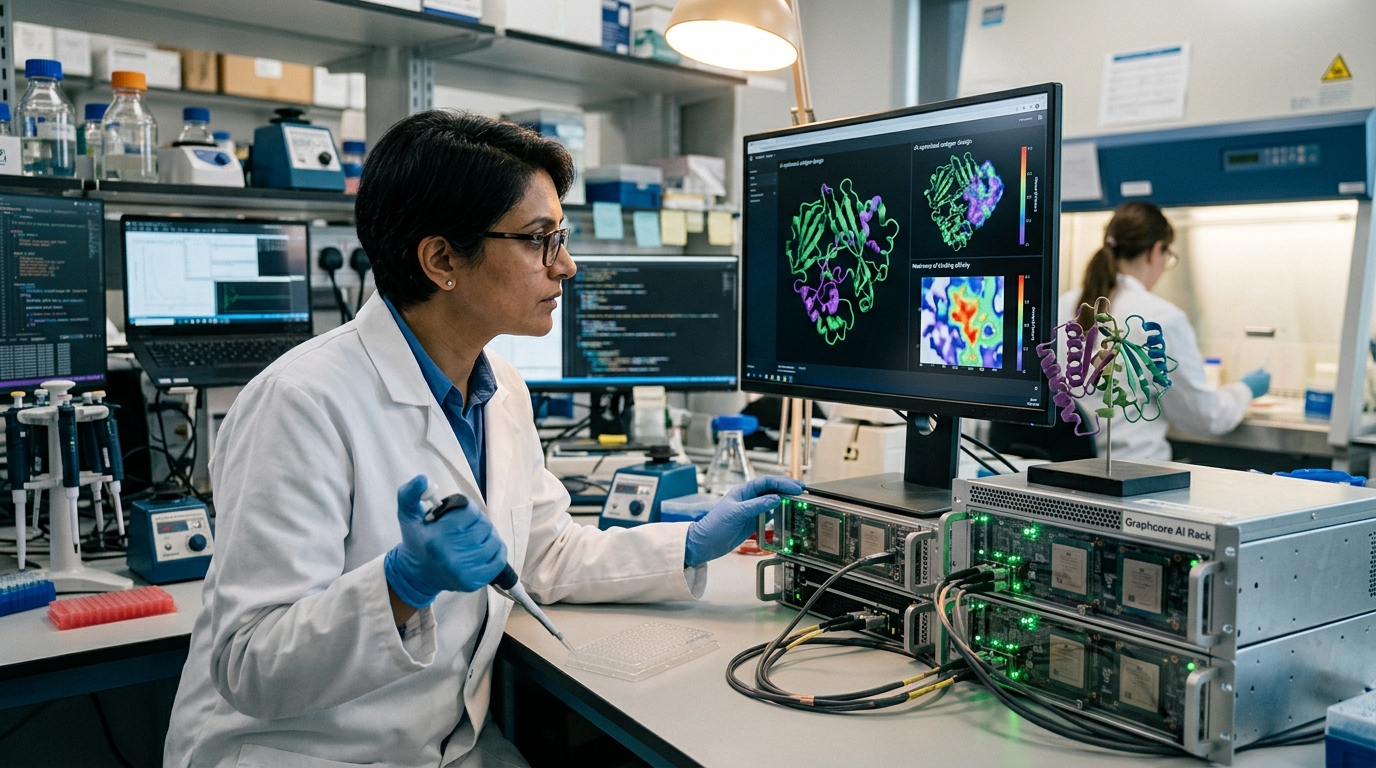
Isomorphic Labs is no ordinary startup. Founded in 2021 by Sir Demis Hassabis—the mastermind behind DeepMind and the revolutionary AlphaFold platform—the company has a singular, ambitious mission: to redefine drug discovery using computational power as the primary tool. While DeepMind focuses on broad AI research, Isomorphic is laser-focused on the biological frontier. The recent release of AlphaFold 3, which can predict the interactions between proteins, DNA, RNA, and ligands with unprecedented precision, serves as the technological bedrock for this new funding round.
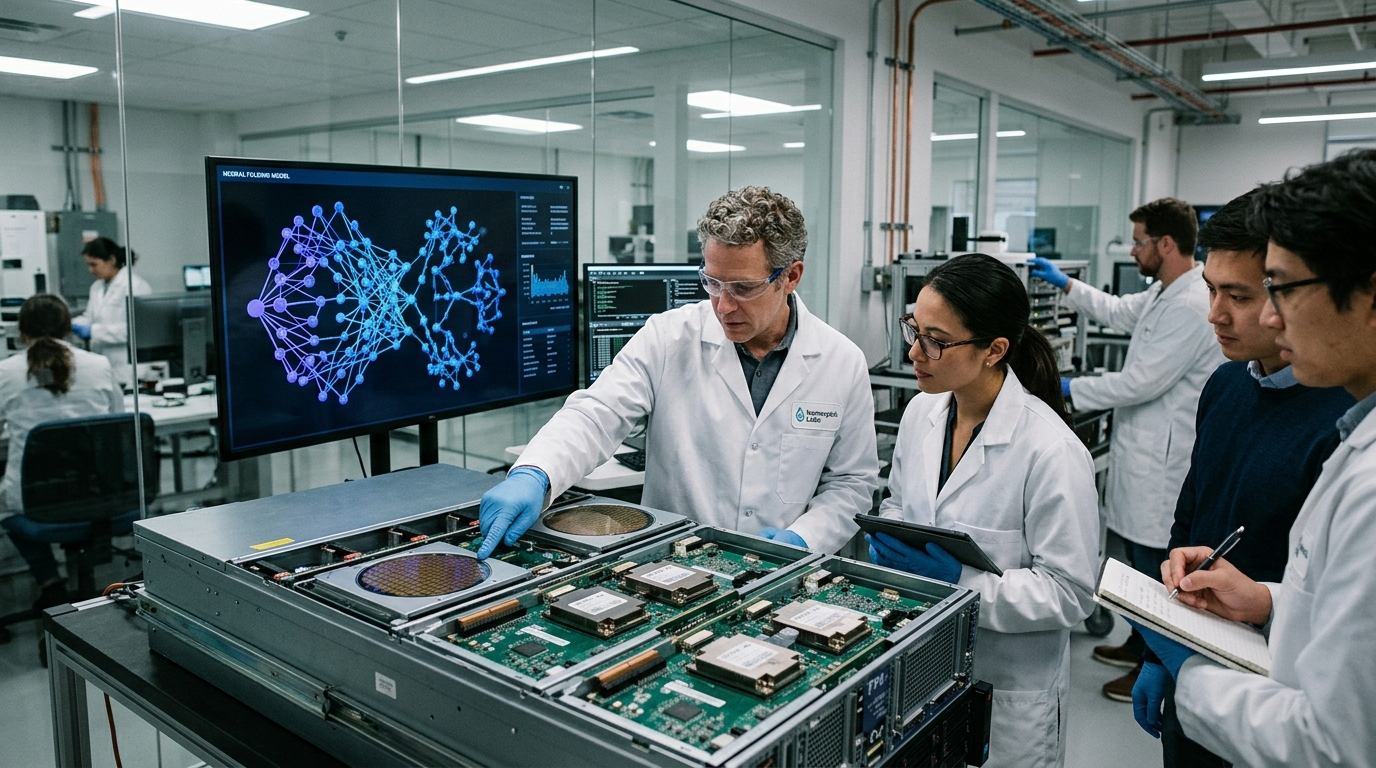
The traditional drug discovery process is notoriously inefficient, relying heavily on trial and error in the laboratory. This "wet lab" process can take over a decade and cost billions of dollars for every successful drug that reaches the market. Isomorphic promises to shift a significant portion of this workflow "in silico"—within the computer—allowing scientists to simulate billions of chemical interactions before ever touching a petri dish.
Strategic Alliances and Big Pharma’s Confidence
Investor interest is far from speculative. Earlier in 2024, Isomorphic Labs announced strategic partnerships with industry giants Eli Lilly and Novartis, with the combined potential value of these deals exceeding $3 billion. These collaborations are not merely software licensing agreements; they are deep-tech partnerships aimed at co-developing new molecules for diseases that have long remained intractable.
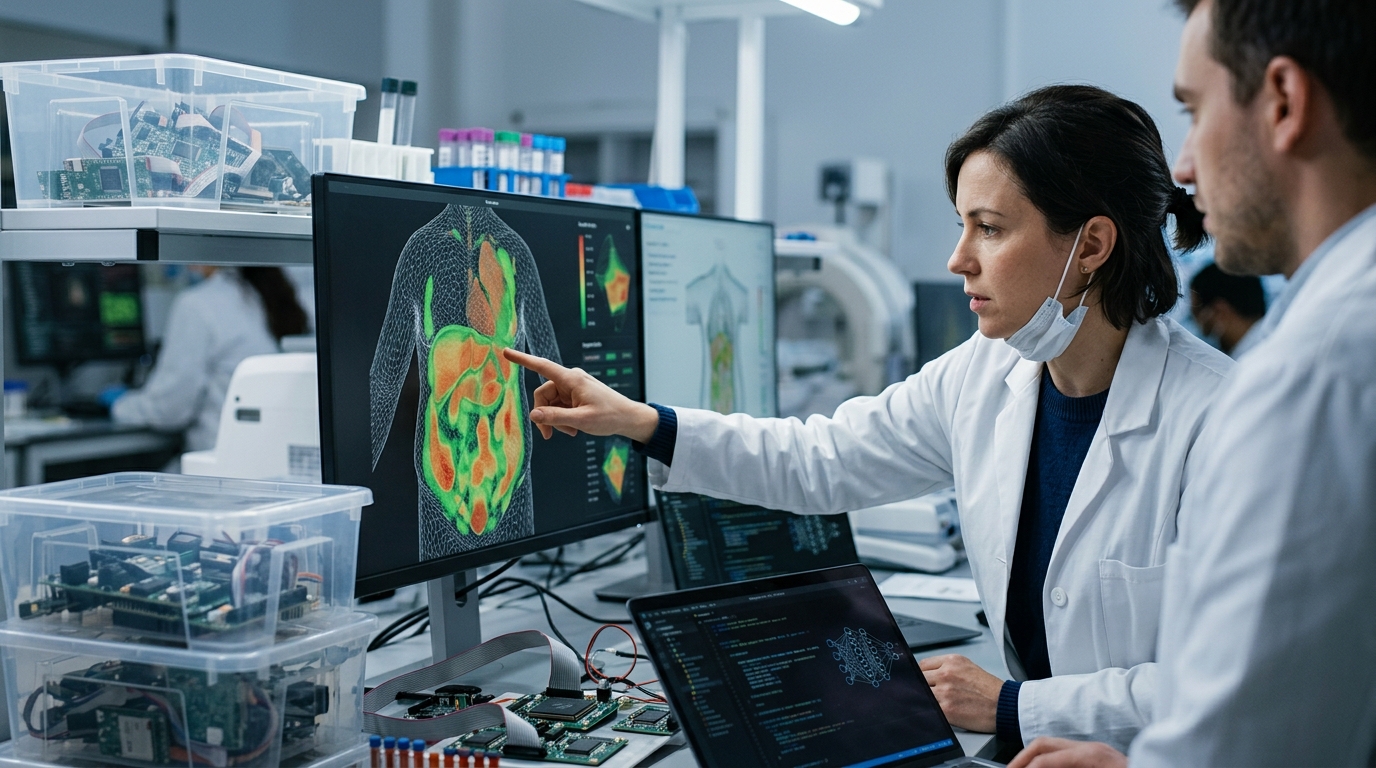
The projected $2 billion funding round is expected to be utilized for expanding the company’s proprietary laboratories, which integrate AI with physical biology. This creates a closed-loop system where data from real-world experiments continuously refines the AI models. This hybrid approach—combining the digital and the physical—is what sets Isomorphic apart from its purely computational competitors.
Economic Implications and the Competitive Landscape
Alphabet’s decision to allow Isomorphic to seek external funding at this scale suggests a strategic pivot. While Google sits on a massive cash pile, bringing in outside investors—likely from top-tier venture capital firms or sovereign wealth funds—grants the company an independent valuation and a level of autonomy that positions it as a leader in the AI-Biotech sector. Competition is heating up, with firms like Recursion Pharmaceuticals and Schrodinger Inc. vying for the same market, but Isomorphic’s direct access to Google’s massive compute infrastructure provides an unparalleled competitive edge.
Ethical Questions and the Challenge of Access
However, the concentration of such profound knowledge about the "code of life" within a company controlled by a Big Tech titan raises significant ethical concerns. If Isomorphic succeeds in reducing drug development costs by 80%, will those savings be passed on to patients? Or will AI simply become a tool for maximizing the profit margins of pharmaceutical conglomerates? The regulation of these technologies will be the next major challenge for global policymakers as the boundary between information technology and biology continues to blur.
Conclusion: A New Era for Medicine
The funding of Isomorphic Labs is more than just a corporate milestone; it is a harbinger of a new era. If the promise of AI is realized, we may be on the cusp of the fastest development of vaccines, cancer treatments, and therapies for rare diseases in human history. This $2 billion bet is, ultimately, a bet on the future of human health itself.