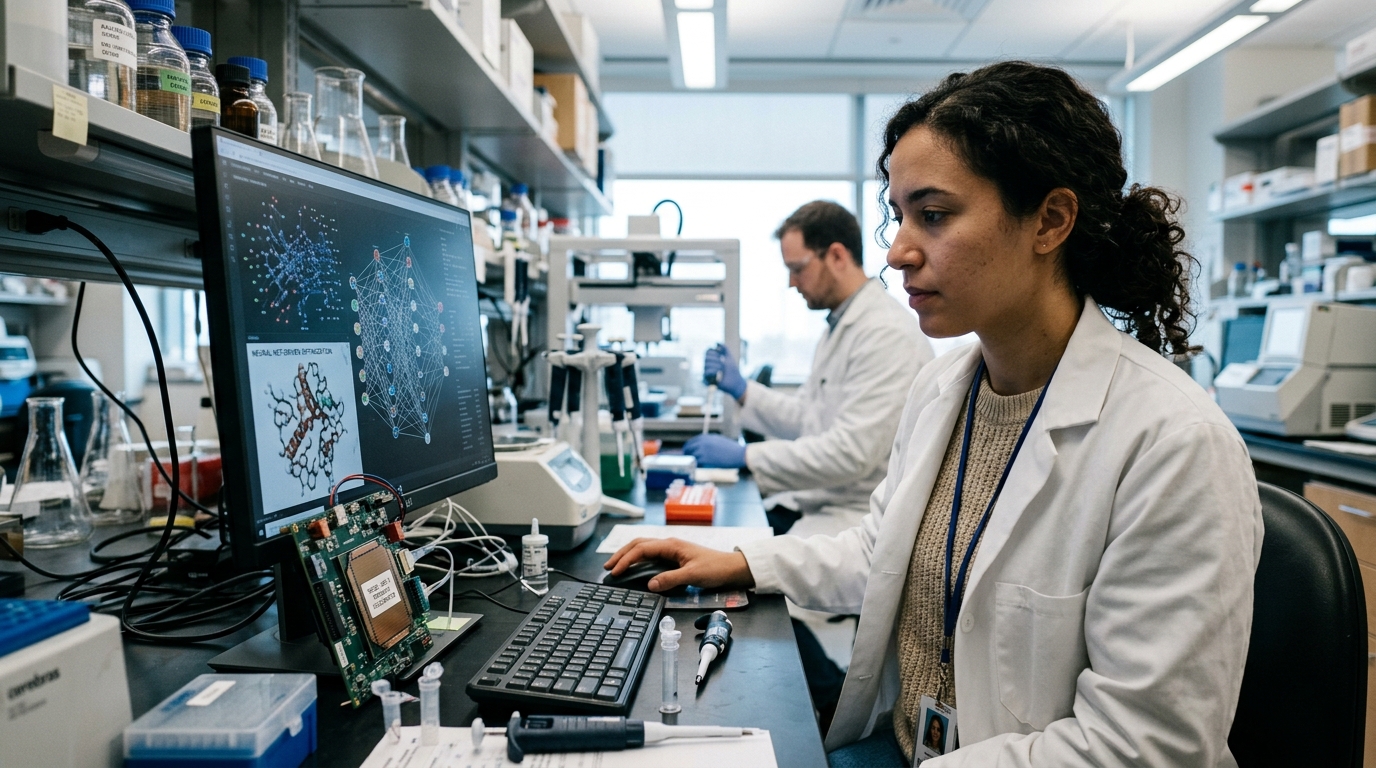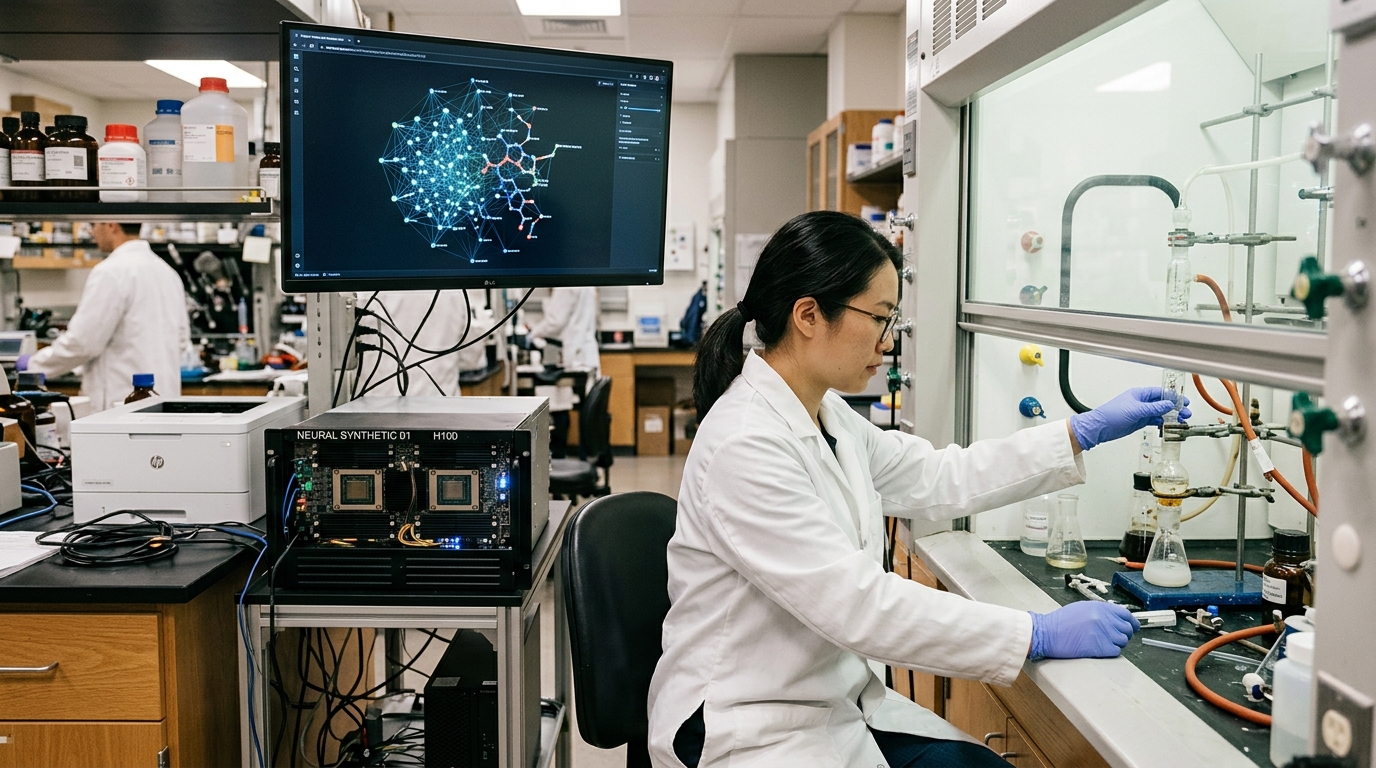
The pharmaceutical industry stands at the precipice of one of the most significant transformations in its history. While drug discovery has traditionally required over a decade of research and billions of dollars in investment, the advent of Generative Artificial Intelligence (Generative AI) promises to upend this cumbersome model. It is no longer just about analyzing existing data, but about creating new molecular structures, predicting protein foldings, and designing personalized treatments that once belonged to the realm of science fiction.
The Shift from Discovery to Engineering
For decades, pharmaceutical research relied on a process of "trial and error." Scientists screened thousands of compounds to find one that exhibited the desired biological activity. Generative AI is changing this paradigm, turning discovery into an engineering design process. Using models similar to those that generate text or images, researchers can now "prompt" the AI to create molecules with specific properties, such as low toxicity and high solubility.
According to recent industry reports, the use of AI can reduce preclinical phase timelines by at least 40%. This does not only mean faster patient access to therapies but also a drastic reduction in financial risk for companies, allowing them to invest in rare diseases previously deemed economically unviable.
Clinical Trials and Digital Twins
One of the most promising applications of Generative AI lies in the optimization of clinical trials. The creation of "synthetic data" allows researchers to simulate the reaction of control groups without involving real patients in certain stages. This accelerates the process and reduces ethical dilemmas associated with administering placebos in severe conditions.
- Protocol Optimization: AI analyzes historical data from previous trials to identify potential failure points before the trial even begins.
- Personalized Medicine: The ability to produce specialized therapeutic regimens based on an individual's genetic profile is now becoming feasible at scale.
- Regulatory Compliance Automation: Drafting the voluminous reports for agencies like the FDA and EMA is being automated, reducing bureaucratic errors and oversight.
However, the adoption of these technologies is not without challenges. The quality of training data remains the most critical factor. If models are trained on biased data, the resulting therapies may not be equally effective across all population groups, potentially reinforcing existing health disparities.
Ethics, Transparency, and the Road Ahead
As AI takes a central role in drug creation, critical questions arise regarding intellectual property. Who owns the patent for a drug designed by an algorithm? Regulators globally are scrambling to update legal frameworks, insisting on the need for "human-in-the-loop" oversight at every stage of the process.
"Artificial Intelligence will not replace pharmacists or biologists, but scientists who use AI will replace those who do not," notes a leading executive at a major research hub.
In conclusion, Generative AI in the pharmaceutical industry represents a shift toward smarter, faster, and potentially more equitable medicine. The challenge for the coming years will be balancing technological speed with scientific rigor and ethics, ensuring that innovation translates into a tangible benefit for humanity.