Chromatography, the cornerstone of analytical chemistry, stands on the precipice of a historic transformation. As the scientific community prepares for the Extech 2026 conference, the conversation has shifted from novel columns or detectors to the algorithms that interpret their data. Artificial Intelligence (AI) and Machine Learning (ML) have ceased to be mere support tools and have become the central pillar of modern laboratory research.
The Digital Transformation of the Laboratory
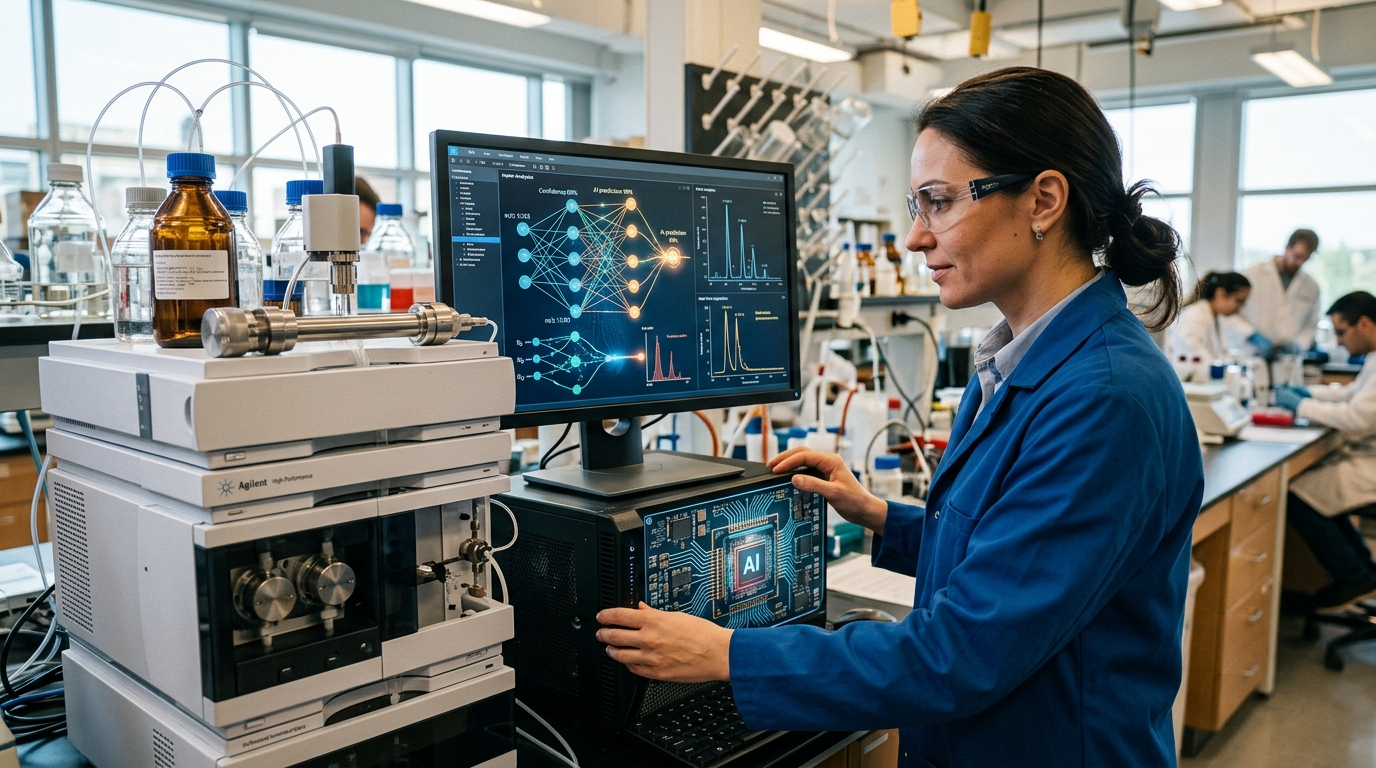
For decades, chromatographic data analysis was a painstaking process requiring experienced analysts for peak integration and the interpretation of noisy signals. However, the data explosion in the pharmaceutical industry and environmental monitoring has rendered this manual approach unsustainable. Extech 2026 is expected to highlight how neural networks can now recognize patterns in complex mixtures with an accuracy reaching 99.9%, eliminating human error and subjectivity.
The application of AI in chromatography is not limited to post-analysis processing. The "smart" chromatographs of 2026 utilize predictive modeling to optimize separation methods in real-time. This means the system can adjust mobile phase composition or temperature during the run to achieve optimal component separation—a process that previously required weeks of trial and error.
From Detection to Prediction
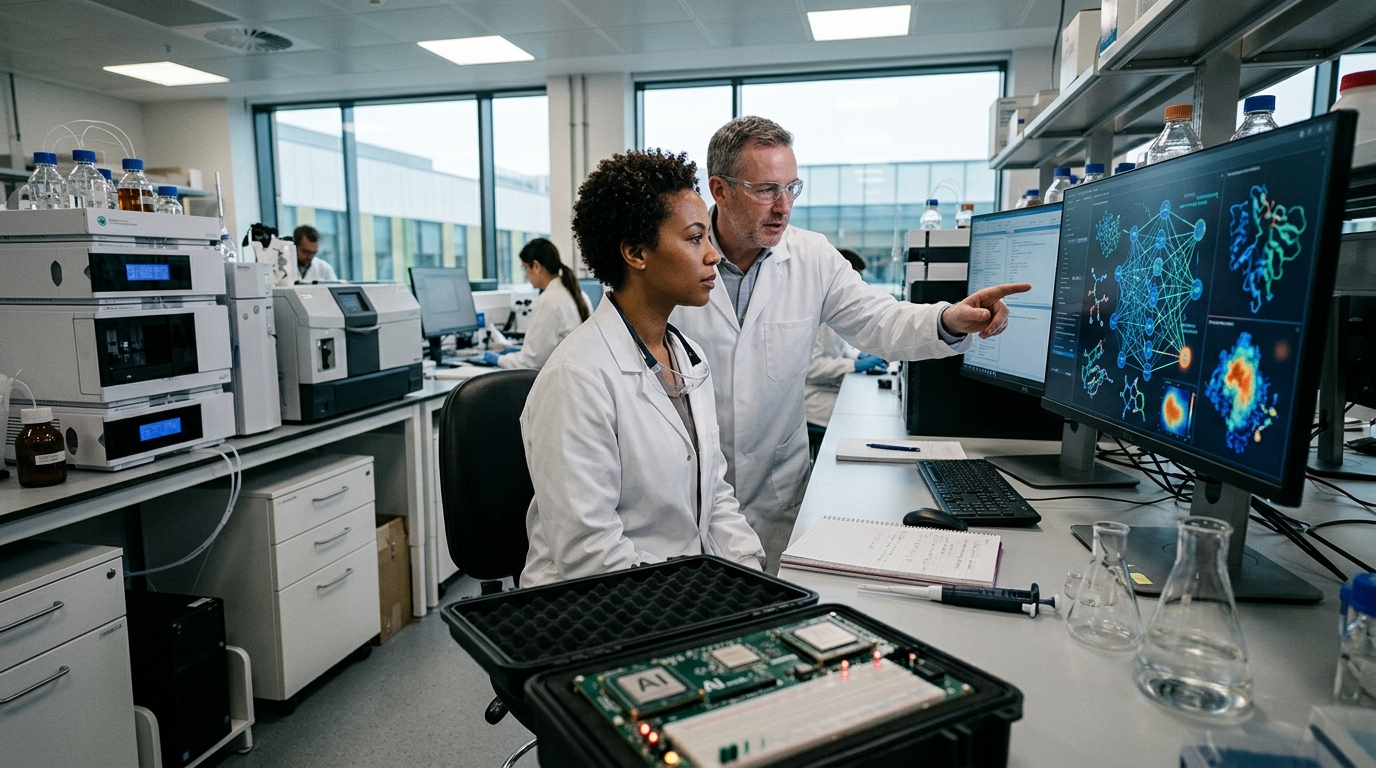
One of the most exciting topics to be discussed at Extech is the use of Deep Learning for identifying unknown compounds. By training on vast databases of mass spectrometry and retention times, AI can now predict the structure of new molecules before they are even synthesized in the lab. This has immense implications for toxicology and forensic research, where the speed of identifying a new psychoactive substance can save lives.
- Automated peak integration with minimal human intervention.
- Predictive instrument maintenance reducing downtime by 40%.
- Integration of Large Language Models (LLMs) for drafting scientific reports directly from raw data.
- Reduced solvent consumption through optimized, faster analysis pathways.
Challenges and the Question of Trust
Despite the excitement, the transition toward AI-driven chromatography is not without challenges. The so-called "black box" problem remains the primary concern for regulatory bodies like the FDA and EMA. How can a scientist be certain of a result if they cannot reproduce the logic behind the algorithm's decision? Extech 2026 will dedicate a significant portion of its proceedings to "Explainable AI" (XAI), which aims to make model decisions transparent and auditable.
"The challenge for 2026 is not whether AI can analyze data, but whether we can trust it to make critical public health decisions without human oversight," notes one of the conference's keynote speakers.
Furthermore, the cybersecurity of laboratory data is emerging as a major issue. With instruments now permanently connected to the cloud to feed AI models, protecting intellectual property and preventing data tampering are priorities for major pharmaceutical companies. The use of blockchain technologies to ensure the integrity of chromatographic data is expected to be one of the innovative proposals presented.
The Future: The Self-Driving Lab
Looking ahead, the vision of the "self-driving lab" appears to be nearing reality. In this scenario, chromatography serves as the "eye" of a system that not only analyzes but also decides on the next experiment. The convergence of robotics with advanced analytical AI will allow for thousands of experiments to be conducted daily, accelerating drug discovery at rates unthinkable a decade ago. Extech 2026 will serve as ground zero for this new era, where the chemist evolves from an instrument operator into a data strategy architect.