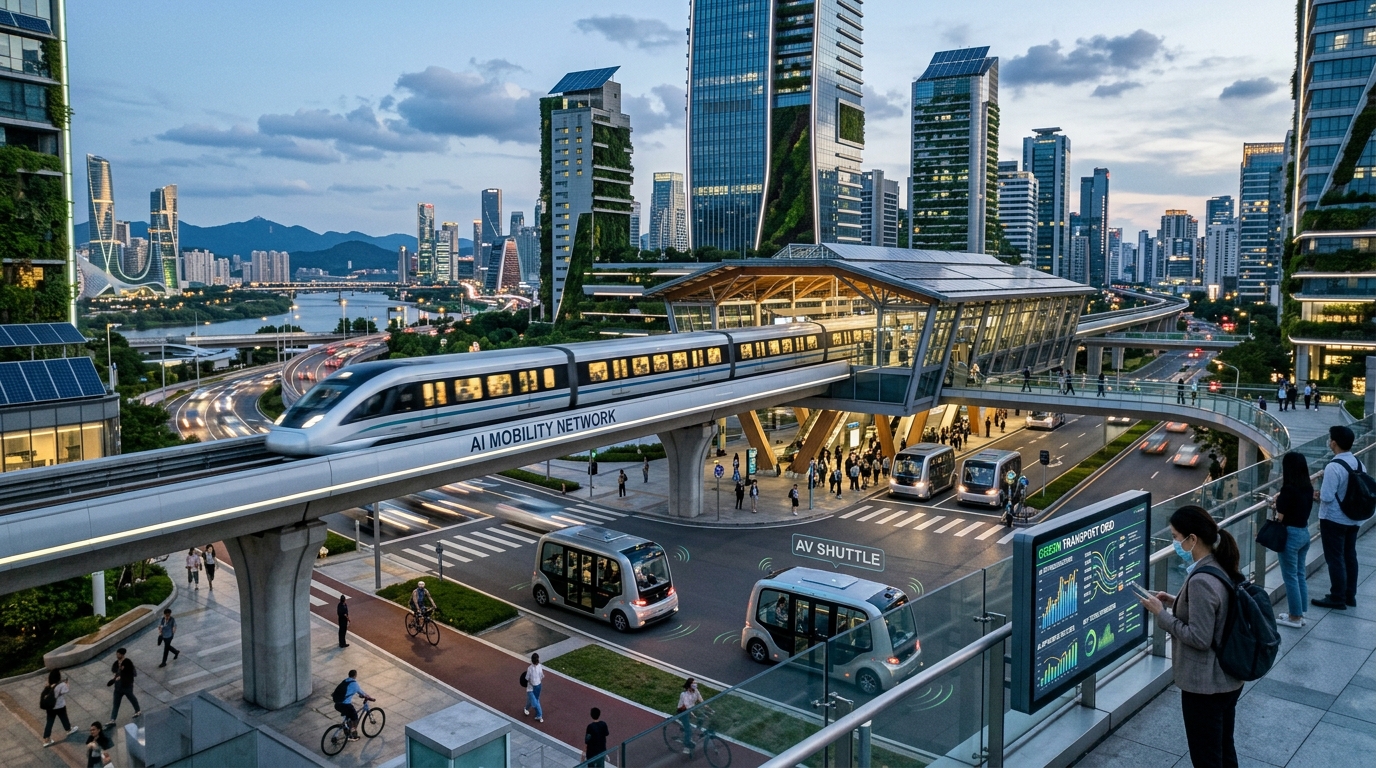
Humanity stands on the threshold of a structural shift in how it moves, communicates, and interacts with the urban environment. Recent reports from Vietnam highlight a global trend: Artificial Intelligence (AI) is no longer just an automation tool, but the central nervous system of a new, "green" transportation ecosystem. In a world grappling with the climate crisis, the promise of smart transportation is not just about speed, but primarily about sustainability and resource conservation.
The Algorithmic Revolution in Logistics
The heart of this new ecosystem beats within optimization algorithms. Traditionally, transportation has been a sector riddled with inefficiencies: empty trucks returning from deliveries, ships waiting days outside ports, and planes following suboptimal routes due to a lack of data. AI is overturning this reality. By analyzing vast amounts of real-time data, AI systems can now predict demand, coordinate deliveries, and reduce unnecessary mileage by 20-30%.
In Vietnam, a rapidly developing nation, the adoption of such technologies is considered crucial for decongesting urban centers like Hanoi and Ho Chi Minh City. Using AI in traffic management allows traffic lights to adjust dynamically to vehicle flow, reducing wait times and, consequently, carbon emissions from idling engines. This "smart flow" is the first step toward creating cities that can breathe again.
Green Energy and Smart Fleet Management
The transition to electromobility is undoubtedly the biggest bet of the decade. However, electric vehicles (EVs) alone are not enough. They require a Smart Grid to be sustained. AI plays a pivotal role here, managing vehicle charging in a way that does not strain the electrical grid, preferring peak hours of renewable energy production. For example, a fleet of electric buses can be automatically charged when wind or solar production is at its zenith.
Furthermore, predictive maintenance via AI ensures that vehicles operate at peak efficiency. Sensors record the wear and tear of components, and software alerts for repairs before a breakdown occurs that would lead to increased energy consumption or downtime. This "circular management" model extends the life of vehicles and reduces the environmental footprint of manufacturing new units.
The Social and Political Stakes
Despite the technological prospects, creating a smart transportation ecosystem is not without challenges. Reliance on data raises serious questions about citizen privacy. Who owns our movement data? How can we ensure that algorithms do not favor specific areas or social groups over others? The case of Vietnam shows that emerging economies have the opportunity to "leapfrog" stages of development by adopting digital infrastructure directly, but this requires a robust regulatory framework.
Public-private partnership is essential. Governments must invest in 5G networks and sensors, while tech companies must ensure the transparency of their algorithms. The green transition through AI is not just a technical issue; it is a profound political choice about what we want our societies to look like in 2050: cleaner, fairer, and more functional.
Conclusion: Toward a New Mobility
In conclusion, artificial intelligence acts as the catalyst that unites ecology with efficiency. The vision of a green transportation ecosystem, as described in recent developments from Asia, is no longer science fiction. It is a necessity dictated by data and climate reality. As algorithms become smarter, the responsibility shifts to humans to ensure this power is used for the common good, transforming our cities from sources of pollution into models of sustainable living.