As Eli Lilly & Co. approaches its 150-year milestone, CEO David Ricks is not looking back with nostalgia, but forward with a near-radical focus on technological evolution. In a recent interview with WRTV, Ricks outlined a new era for medicine where Artificial Intelligence (AI) and GLP-1 receptor agonists (such as Zepbound and Mounjaro) are not just products, but the pillars of a transformative shift in how we perceive life and longevity.
The Convergence of Biology and Digital Intelligence
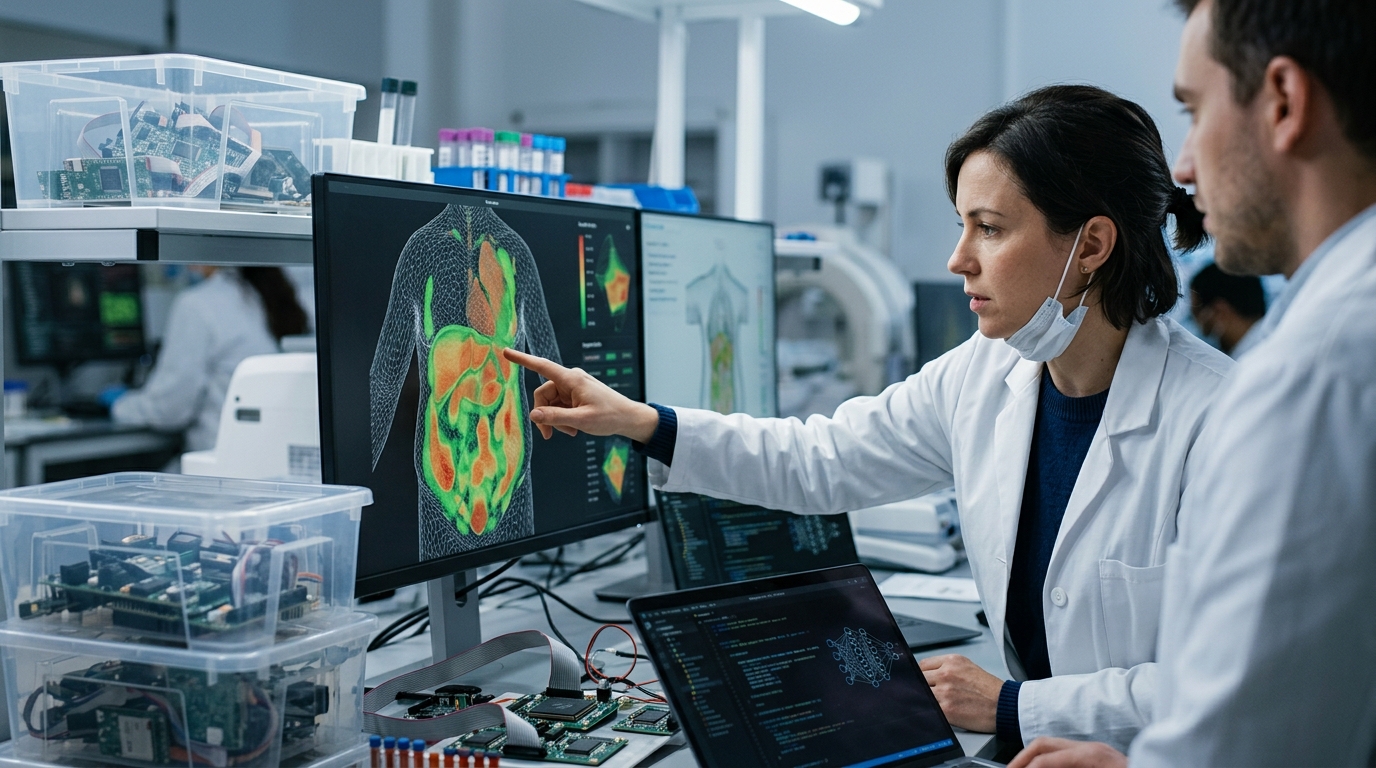
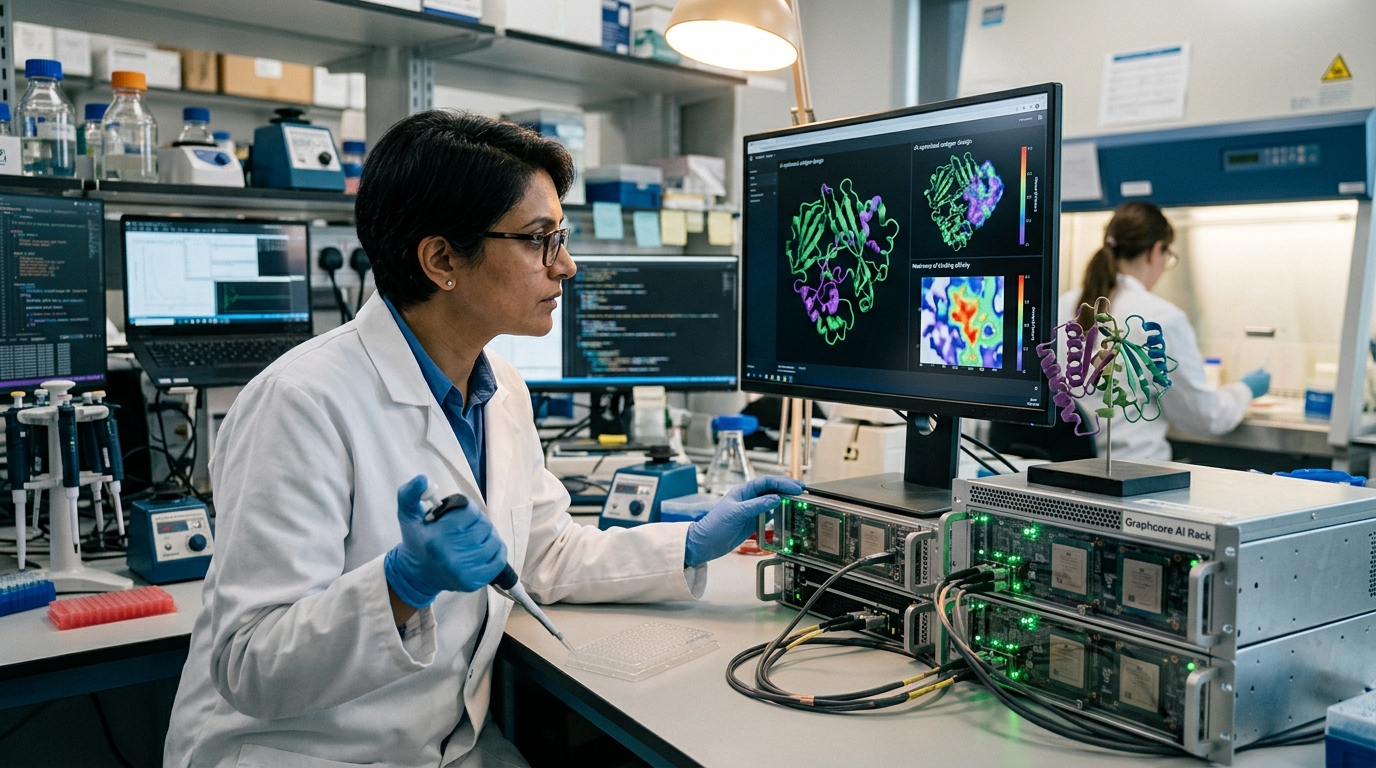
Eli Lilly has evolved from a traditional insulin manufacturer into a global leader in metabolic health. According to Ricks, Artificial Intelligence is the catalyst accelerating this transition. The traditional drug discovery process, which often takes over a decade and costs billions, is being fundamentally rewritten. By utilizing Generative AI, Lilly’s scientists can now simulate the behavior of proteins and molecules in a digital environment before ever stepping foot into a lab.
This "digital acceleration" allows the company to target not just obesity, but associated conditions such as heart failure, sleep apnea, and most significantly, Alzheimer’s disease. Lilly’s strategy is clear: AI is not just being used to optimize existing drugs, but to create entirely new therapeutic categories that could eliminate chronic conditions that have plagued humanity for centuries.
The Manufacturing Challenge and Global Demand
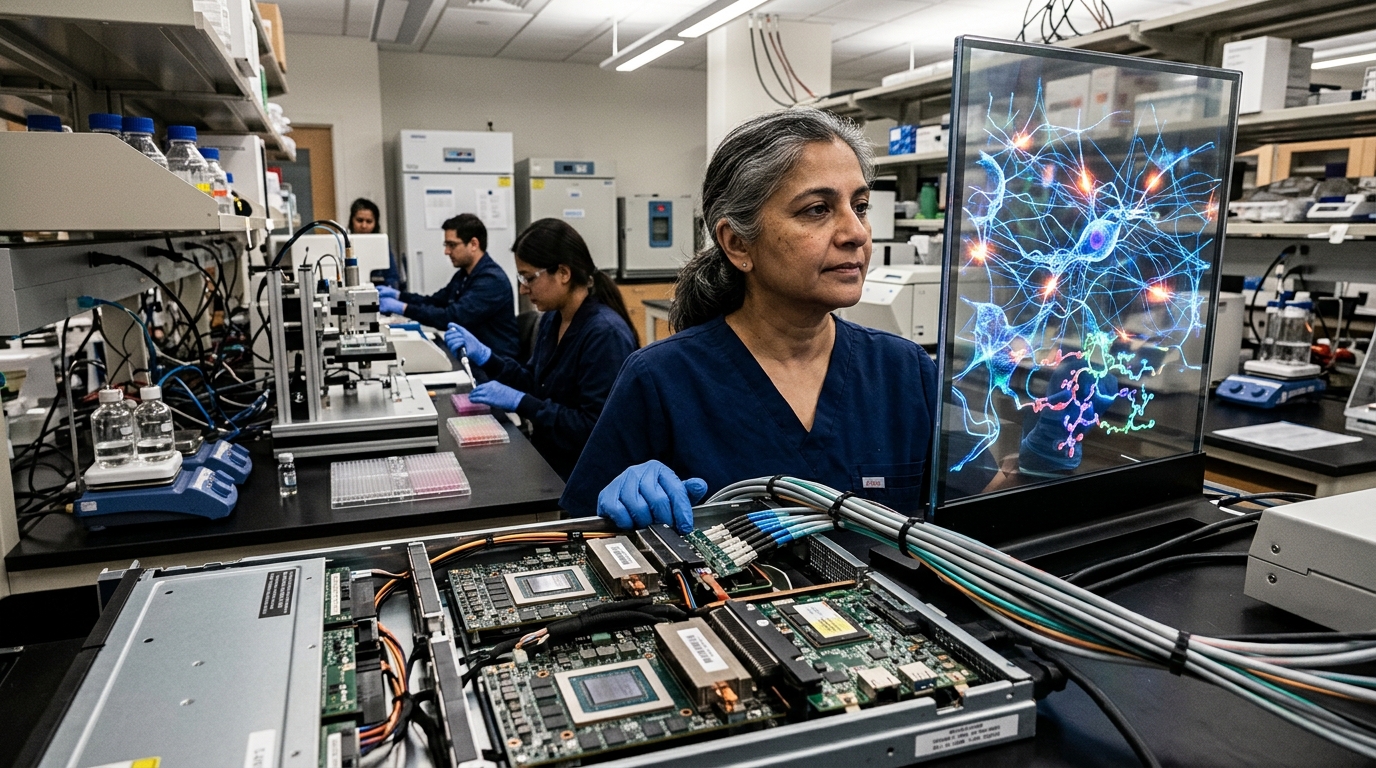
Despite the technological optimism, Ricks acknowledged the greatest challenge facing the company today: meeting demand. GLP-1 drugs have become a cultural phenomenon, leading to shortages that the industry is struggling to manage. Eli Lilly is investing tens of billions of dollars in new manufacturing facilities, from Indiana to Germany, using AI to optimize supply chains and automate factories.
"We aren't just making pills; we are manufacturing complex biological systems," Ricks noted. The use of AI in production allows for real-time error detection and quality assurance at a scale that was unthinkable a decade ago. This is critical for maintaining the trust of patients and regulators as the company expands its global footprint.
Ethics, Access, and the Future of Health
The discussion surrounding AI and GLP-1s is not only technical but also deeply social. Ricks argued that reducing obesity on a global scale could save healthcare systems trillions of dollars by decreasing the need for surgeries and long-term hospitalizations. However, the question of access remains a burning issue. The high price of these treatments has sparked backlash, with Eli Lilly attempting to balance the profitability required for R&D with social responsibility.
Looking beyond 150 years, Lilly’s vision is a medicine that is preventive rather than merely reactive. AI will enable the personalization of dosages and treatment regimens, turning GLP-1 from a "one-size-fits-all" drug into a targeted solution for each patient's unique genetic profile. For Ricks, this is the true legacy the company wants to leave: the transition from treating symptoms to the holistic upgrading of human health through technology.
- AI usage reduces drug development time by an estimated 25-30%.
- Manufacturing investments have exceeded $18 billion in the last three years.
- GLP-1s are now being tested for Alzheimer's and fatty liver disease.