As we move through the first half of 2026, the global scientific community is looking toward the near future with growing alarm. According to the latest data from the Copernicus Climate Change Service (C3S), the indicators for 2027 are more than concerning. The predicted return of the El Niño phenomenon, coupled with the relentless rise in greenhouse gas concentrations, is expected to make 2027 the hottest year ever recorded in human history, surpassing the previous nightmare record set in 2024.
El Niño, the warm phase of the El Niño-Southern Oscillation (ENSO), is not a new phenomenon. However, its frequency and intensity on a planet already "burning" from anthropogenic climate change create a volatile cocktail. Copernicus scientists warn that the probability of temporarily exceeding the 1.5°C threshold relative to the pre-industrial era—a landmark limit of the Paris Agreement—is now more than visible on the horizon.
The Mechanism of the Thermal Threat
To understand why 2027 is considered a milestone year, we must examine the ENSO cycle. After a period of relative lull or "neutrality" that characterized 2025 and early 2026, oceanographic measurements in the Pacific Ocean show a gradual accumulation of heat in the upper layers of the water. When these warm waters shift eastward, they release massive amounts of energy into the atmosphere, affecting weather systems globally.
"This is not just a natural fluctuation," the Copernicus report explains. "The difference today is that El Niño is 'stepping' on an already warmer baseline." Global average sea surface temperatures have been at record levels for consecutive months, reducing the oceans' ability to absorb excess atmospheric heat. This positive feedback loop means that every new El Niño will be, statistically, more destructive than the last.
The Role of AI in Climate Forecasting
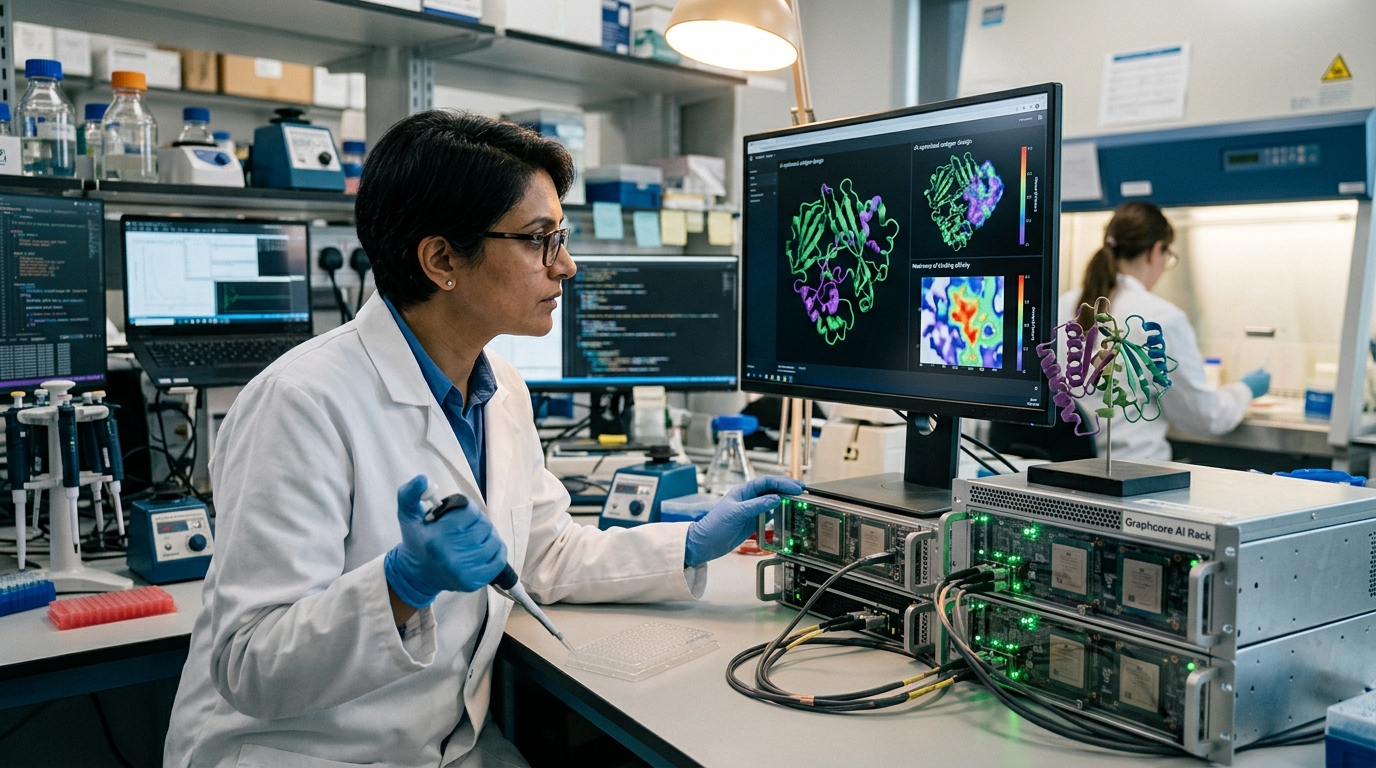
A significant shift in this year's predictions is the extensive use of Artificial Intelligence models. Unlike traditional numerical weather prediction models that require immense computational power and time, new AI models, such as Google DeepMind’s GraphCast and NVIDIA’s sophisticated algorithms, have been trained on decades of historical data from Copernicus. These systems can now predict the evolution of El Niño with higher accuracy and over longer timeframes.
AI's ability to recognize non-linear patterns in ocean temperatures and atmospheric pressure has allowed scientists to issue the 2027 warning much earlier than would have been possible in the past. This provides governments with a critical window of opportunity for preparation, although history has shown that political will often lags behind scientific foresight.
Impacts on the Mediterranean and Greece
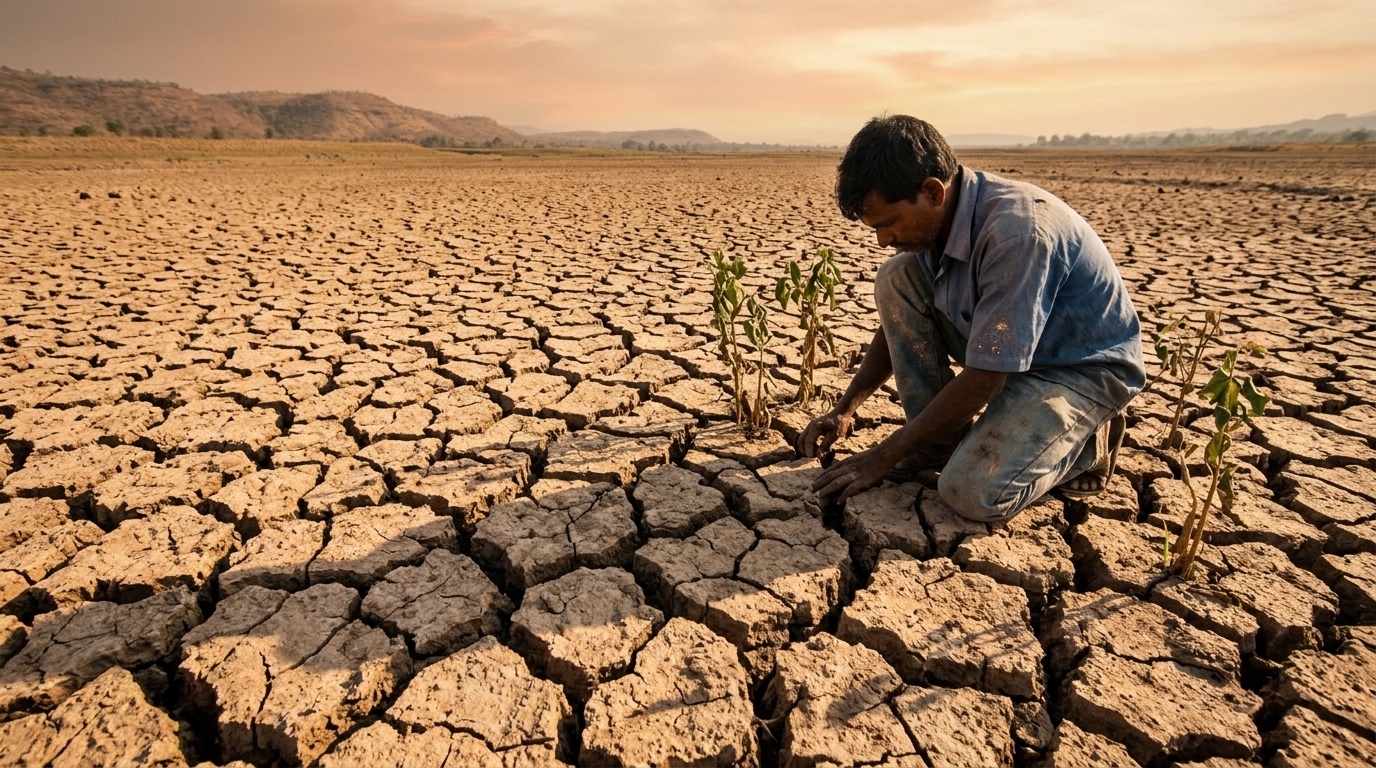
For the Mediterranean region, and Greece in particular, the prediction of a hotter 2027 brings with it the nightmare of drought and extreme wildfires. The combined effect of El Niño and the climate crisis translates into prolonged heatwaves that could last for weeks, exhausting water reserves and jeopardizing the power grid due to increased demand for air conditioning.
"The Mediterranean remains one of the climate change 'hotspots.' A strong El Niño in 2027 could push the local ecosystem beyond the limits of recovery," the report states.
Furthermore, agriculture will be in the crosshairs. Olive and vine crops, which form the backbone of the Greek countryside, are particularly vulnerable to sudden temperature changes and lack of rainfall during the flowering period. The economic damage from a failed harvest in 2027 could have ripple effects on food inflation and the trade balance.
Political Challenges and the Urgency for Action
The Copernicus warning for 2027 is not merely a scientific observation; it is a political ultimatum. As international climate conferences (COPs) often get bogged down in bureaucratic details and unfulfilled funding promises, the reality of physics does not wait. The need for immediate decarbonization from fossil fuels is becoming more urgent than ever.
At the same time, adaptation must become a priority. This means investing in resilient infrastructure, AI-based early warning systems, and a radical overhaul of water resource management. 2027 will be the stress test for whether humanity can use its technology to protect itself from the consequences of its own actions. If we fail to respond to this warning, 2027 will not just be another record, but the beginning of a new, much more dangerous normalcy.