The history of the global economy in the 21st century is increasingly defined by a series of violent disruptions. Following the public health shock of the 2020 pandemic and the energy-geopolitical shock of the Russian invasion of Ukraine in 2022, the world now faces a third, equally threatening crisis: the complete breakdown of relations between the United States, under the Trump administration, and the Islamic Republic of Iran. This development is not merely a regional dispute in the Middle East; it is a seismic event shifting the tectonic plates of global power, energy, and trade.
The Strategy of 'Maximum Pressure' 2.0
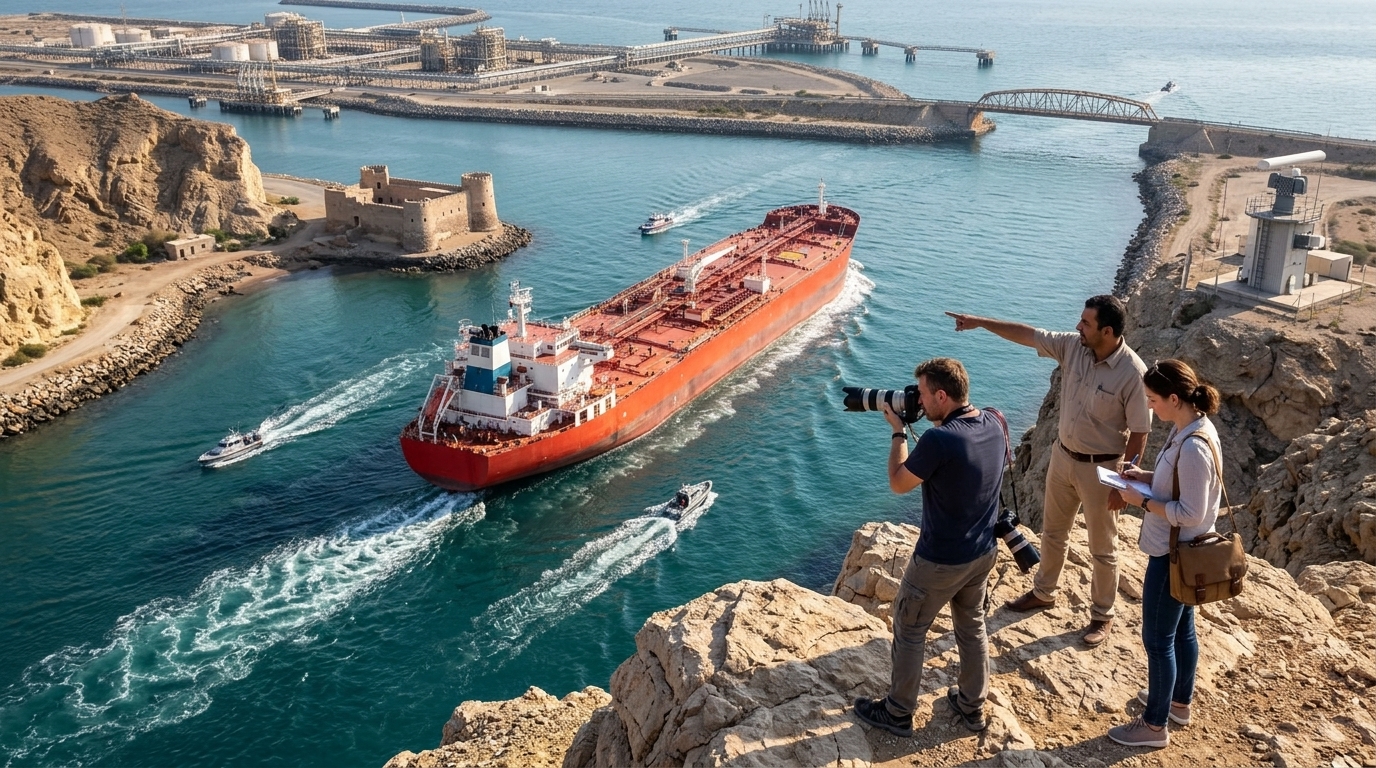
Donald Trump's return to the White House brought with it a renewed and more aggressive version of the 'maximum pressure' policy. Unlike his first term, where the primary goal was economic isolation through sanctions, the current phase is characterized by an attempt to fully dismantle Iran's networks of influence across the region. This strategy has pushed Tehran into a corner, forcing it to choose between internal collapse or external aggression. The choice of the latter has turned the Strait of Hormuz and the Red Sea into high-risk zones, directly impacting maritime navigation and global trade.
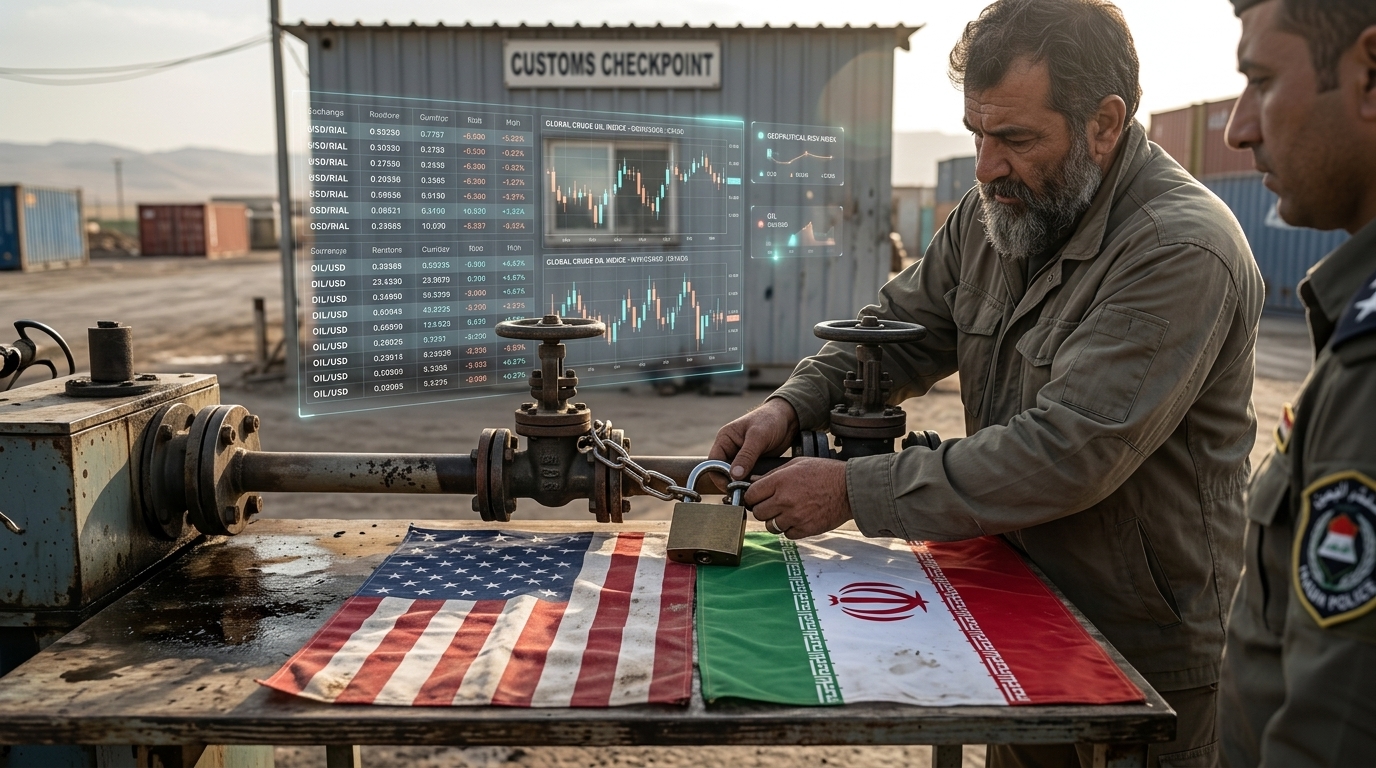
This confrontation has created a new 'architecture of fear' in the markets. Analysts point out that Iran, despite sanctions, remains a critical player in energy—not just because of its own reserves, but primarily due to its ability to cause instability in the oil flows of its neighbors. The use of drones and cyber-warfare technologies has rendered the infrastructure of Saudi Arabia and the United Arab Emirates vulnerable, significantly increasing the 'risk premium' on international crude prices.
Geopolitical Realignment: Russia and China Move In
One of the most significant consequences of this 'war' is the further tightening of Iran's ties with the Moscow-Beijing axis. Tehran is no longer as isolated as it was in the 1990s. Today, it serves as a crucial supplier of military technology to Russia and a key energy provider for China, which purchases Iranian oil by bypassing the US dollar. This tripartite cooperation creates a counterweight to Western hegemony, making American sanctions less effective than in the past.
For Europe, this situation represents a double nightmare. On one hand, the EU strives to maintain a balance to avoid a refugee crisis and a total conflagration in its neighborhood. On the other, its dependence on American security forces it to follow, however reluctantly, Washington's hardline stance. The energy independence from Russia, achieved at a great cost, is now at risk of being undermined by a new energy crisis in the Middle East.
The Role of Technology and Artificial Intelligence
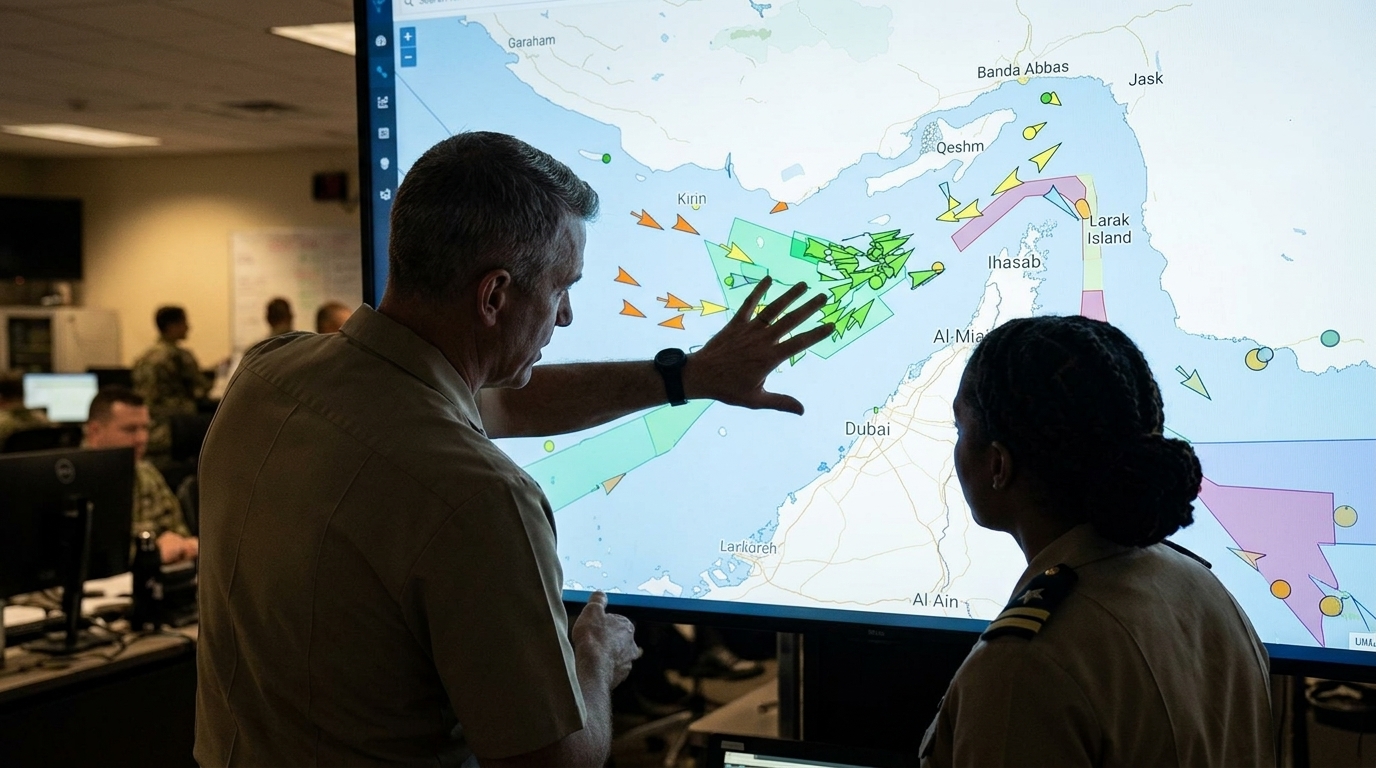
In this modern warfare, Artificial Intelligence (AI) plays a decisive role. It is not just about the 'smart' drones used by Iran's proxies. It is about the US's ability to analyze vast amounts of data in real-time to predict Tehran's moves. However, AI is also utilized for disinformation and psychological warfare, creating a state of 'permanent fog of war' where truth is the first casualty. The use of algorithms to detect sanctions evasion has led to a cat-and-mouse game in global financial markets.
"The war with Iran is no longer fought solely with tanks and ships, but with bits, bytes, and oil barrels. It is a conflict of attrition testing the limits of globalization," notes a senior diplomat in Brussels.
In conclusion, the 'third shock' is not just a temporary disturbance. It is the confirmation that the world has entered an era of structural instability. The US-Iran confrontation acts as a catalyst for the creation of a multipolar world, where economic power and geopolitical influence are inextricably linked. The coming months will be critical in determining whether this tension leads to a new balance of terror or an uncontrolled conflict with unpredictable consequences for humanity.