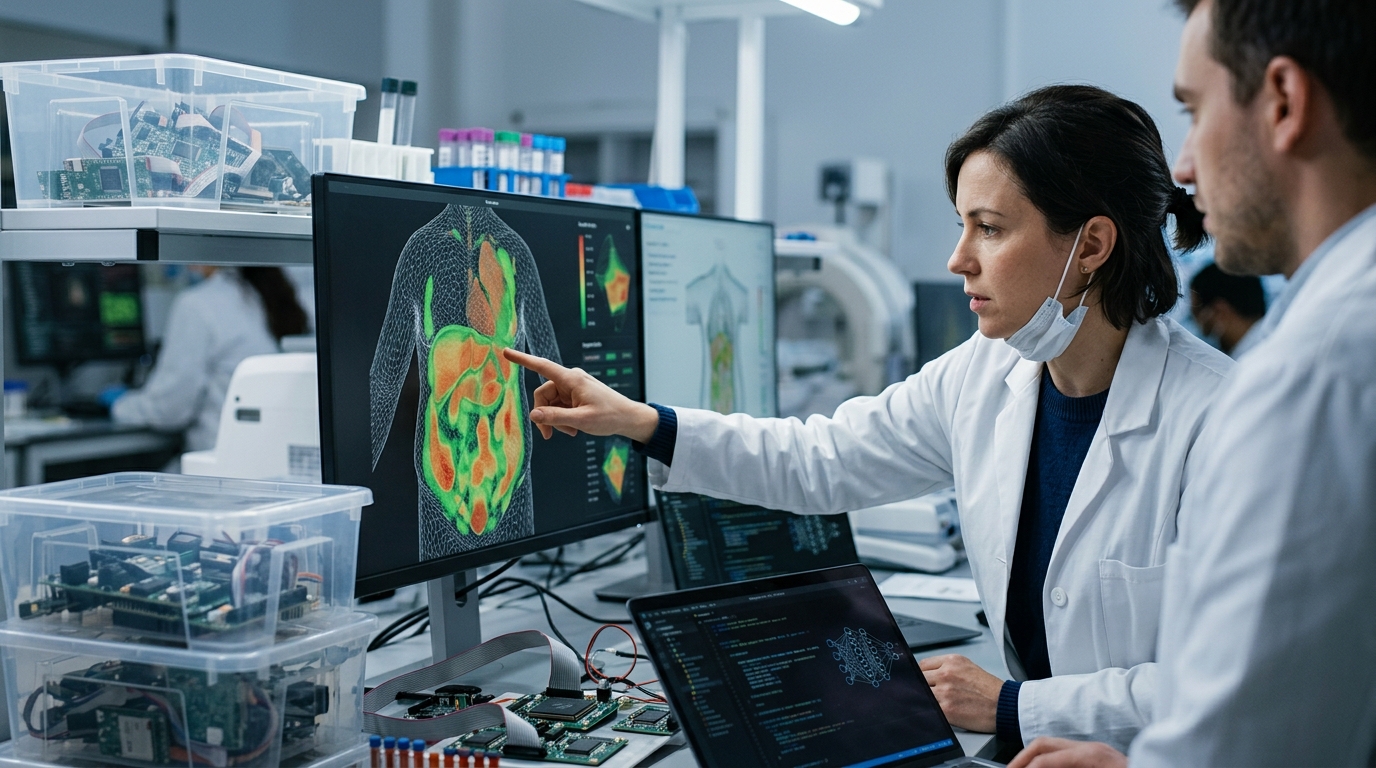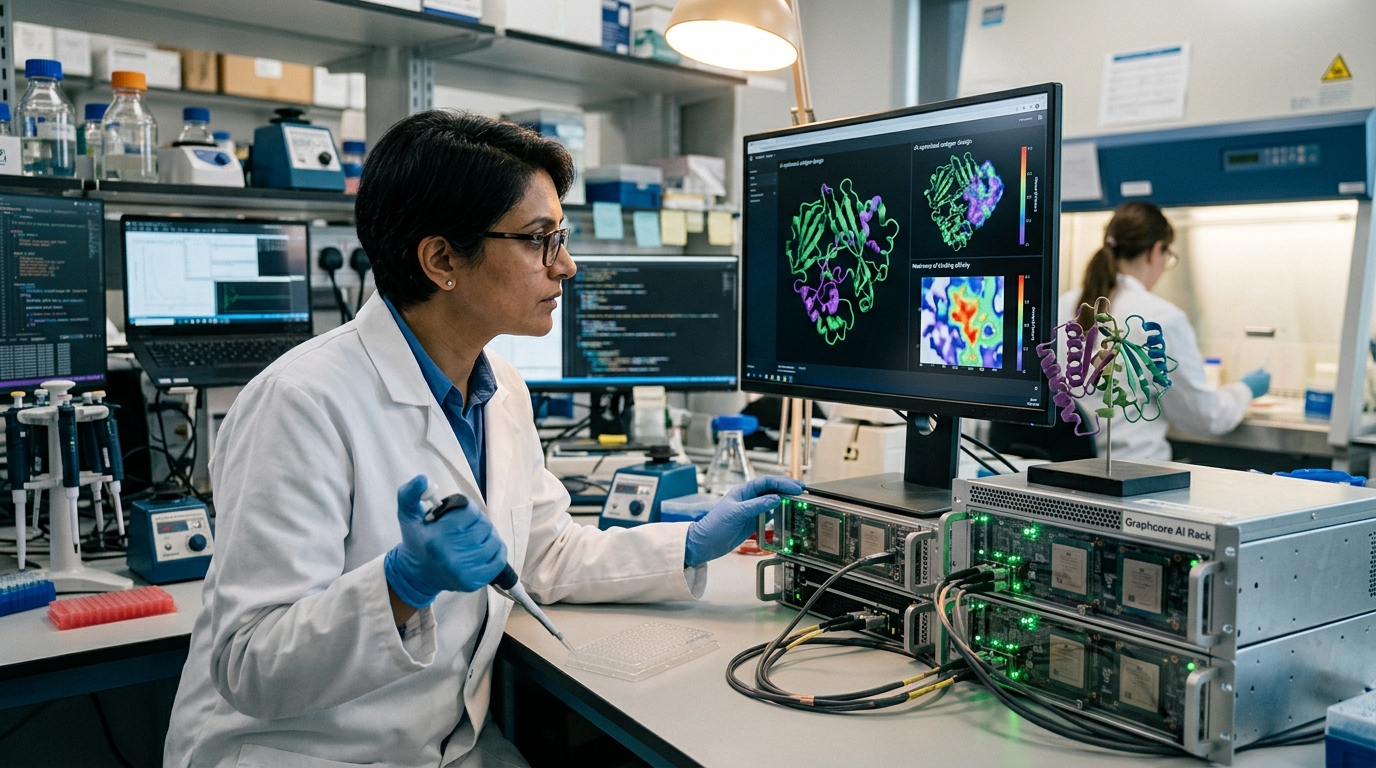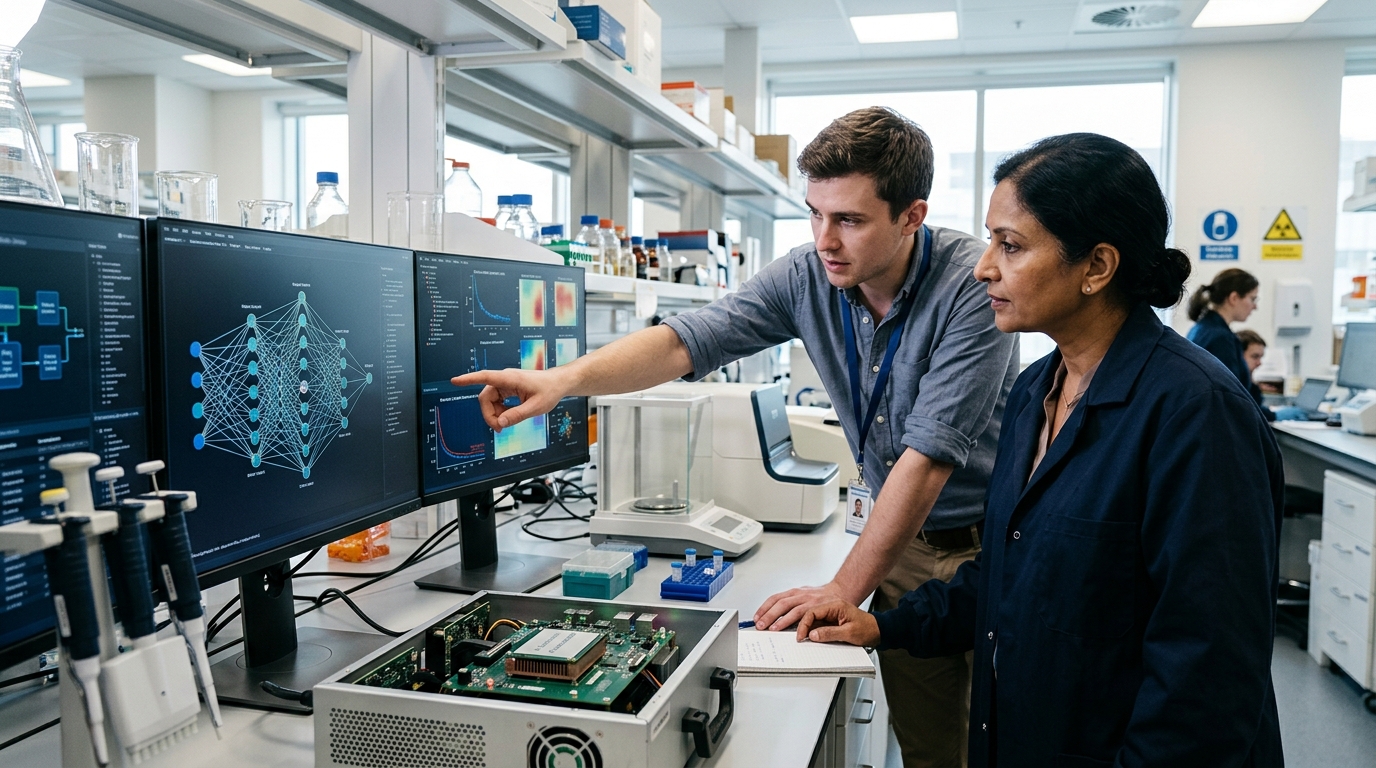
The process of developing a new drug has long been considered one of humanity's most expensive and time-consuming endeavors. With an average cost reaching $2.6 billion and a timeline that often stretches beyond a decade, the traditional clinical trial method resembled a slow-moving vessel in a world demanding speed. However, 2026 marks a pivotal turning point. Machine Learning (ML) is no longer an experimental promise but the backbone of a new era in medical research, providing solutions to problems that have plagued scientists for decades.
Solving the Patient Recruitment Bottleneck
One of the largest hurdles in clinical trials has always been finding the right volunteers. Statistically, over 80% of studies are delayed due to recruitment difficulties, and many are abandoned entirely. Here, Machine Learning offers a near-magical solution. By analyzing vast amounts of data from Electronic Health Records (EHRs), algorithms can now identify patients who meet strict inclusion criteria in seconds, rather than months.
Furthermore, AI enables the creation of more representative samples. In the past, clinical trials often neglected minorities or specific population subgroups. Today, ML models can predict which populations are most likely to respond to a treatment, ensuring that results are generalizable and equitable. This is not just a matter of ethics but of scientific precision, as personalized medicine requires data from across the spectrum of human genetic diversity.
The Rise of Synthetic Control Arms and Digital Twins
Perhaps the most revolutionary application of Machine Learning is the introduction of Synthetic Control Arms (SCA). In a classic trial, one group of patients receives the experimental drug and another (the control group) receives a placebo. With the help of ML, researchers can now create "digital twins" of patients using historical data from previous studies and Real World Data (RWD).
This means fewer patients need to receive a placebo, which is particularly critical in cases of terminal illnesses where administering a placebo raises serious ethical dilemmas. The use of SCAs reduces costs, accelerates approvals from regulatory bodies like the EMA and FDA, and allows pharmaceutical companies to focus on drug efficacy with unprecedented accuracy.
Predicting Failure and Optimizing Protocols
Failure in clinical trials is the rule, not the exception. Approximately 90% of drugs that enter clinical trials fail to reach the market. Machine Learning is changing the game by enabling "fail fast" strategies. Through predictive modeling, scientists can forecast the toxicity or lack of efficacy of a molecule before expensive Phase III trials even begin.
- Real-time biomarker analysis to monitor patient response dynamically.
- Use of wearables and IoT devices for continuous data collection, minimizing the need for physical hospital visits.
- Automated processing of the massive paperwork required for documenting results.
This digitization transforms clinical trials from a static process into a dynamic, constantly evolving ecosystem. Trials are now becoming "decentralized," allowing patients from remote areas—be it the Greek islands or Alpine villages—to participate in world-class research from the comfort of their homes.
Navigating the "Black Box" and the Future of Medicine
Despite the excitement, the road is not without obstacles. The "interpretability" of algorithms remains a critical issue. Regulatory authorities require knowing *why* an ML model reached a conclusion, especially when human lives are at stake. The "black box" phenomenon, where the algorithm provides results without explaining its logic, is the biggest barrier to full technology adoption.
However, in 2026, the shift toward Explainable AI (XAI) is offering solutions. As scientists and regulators learn to trust digital tools, the pace of innovation will increase exponentially. The revolution in clinical trials is not just about corporate profits; it is about our ability as a species to respond to new pandemics, cure rare diseases, and deliver the right medicine to the right patient at the right time.