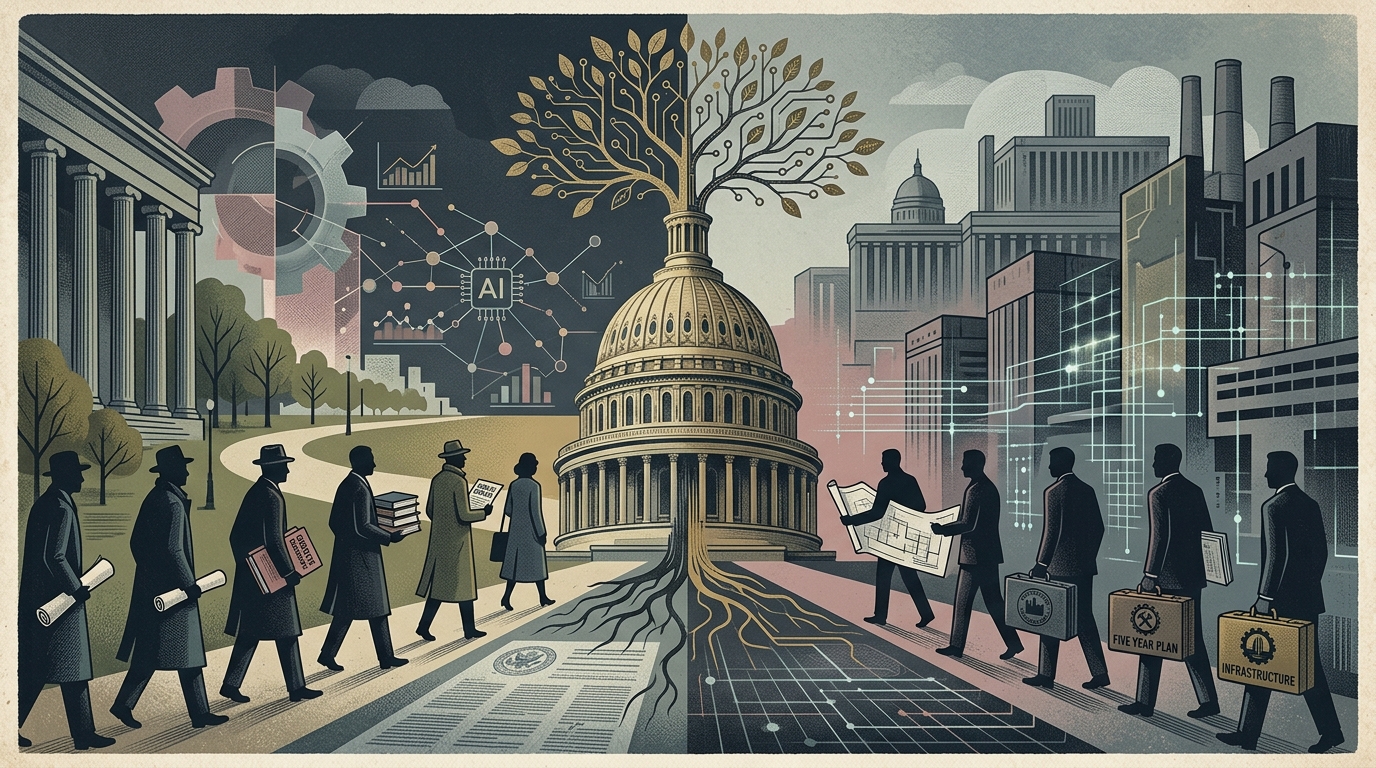
The recent release of Claude 3.5 Sonnet by Anthropic has done more than just create waves of excitement in Silicon Valley; it has ignited a profound debate within the academic circles of Dartmouth and beyond. As tech giants scramble for dominance in the Artificial Intelligence (AI) market, the academic community is tasked with separating genuine innovation from marketing hyperbole. The question remains: Are these models thinking tools or merely sophisticated mirrors of human language?
The Rise of Anthropic and the Paradox of 'Ethical' AI
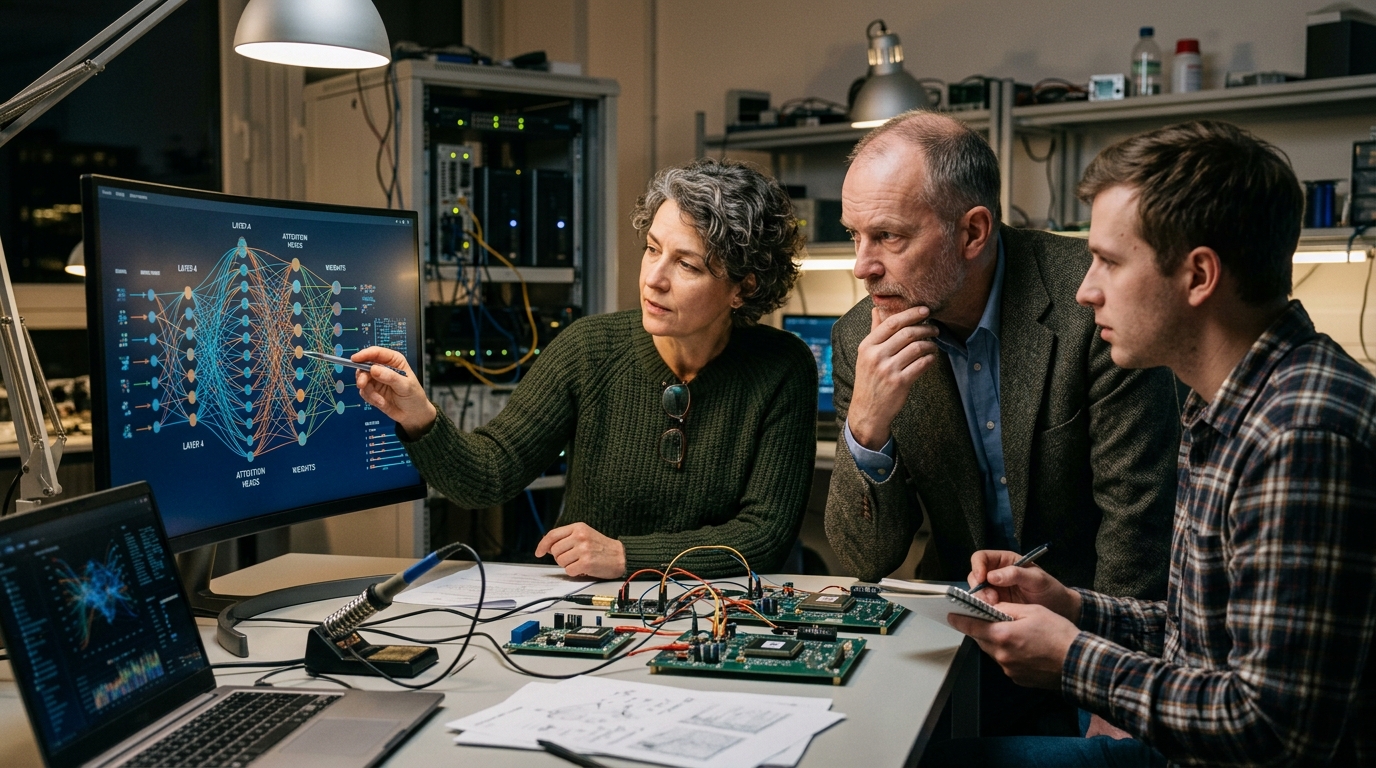
Anthropic, founded by former OpenAI executives, positions itself as a safety-oriented company. Their new model, Claude 3.5 Sonnet, promises performance that outpaces GPT-4o in critical areas such as coding and nuanced language understanding. However, Dartmouth professors point out that the term 'safety' is often used loosely. The 'Constitutional AI' approach the company follows—where the model is trained based on a set of principles—is a significant step, but it doesn't solve the fundamental 'black box' problem of neural networks.
According to analysts, Claude's ability to generate code and solve complex mathematical problems doesn't necessarily mean the model 'understands' the concepts. Rather, it is a highly advanced statistical prediction. This distinction is crucial for education, where students might rely on these tools without developing their own critical faculties. The academic community worries that ease of use could lead to a form of intellectual atrophy.
The Artifacts Innovation and the UI Transformation
One of the most discussed additions to the new model is the 'Artifacts' feature. It allows users to view and edit the content AI creates—from code and documents to website designs—in a dedicated window alongside the chat. This shift transforms Claude from a simple chatbot into a collaborative work environment. Computer science professors at Dartmouth note that this evolution narrows the gap between idea and implementation, allowing non-experts to prototype applications in minutes.
However, this productivity comes with risks. The ease of content production could flood the internet with 'synthetic' data, making it even harder to distinguish truth from falsehood. Furthermore, there is the issue of intellectual property. These models are trained on vast amounts of human-generated data, often without permission or compensation. Anthropic, despite its ethical rhetoric, is no exception to this practice.
Education and Research in the Age of AI
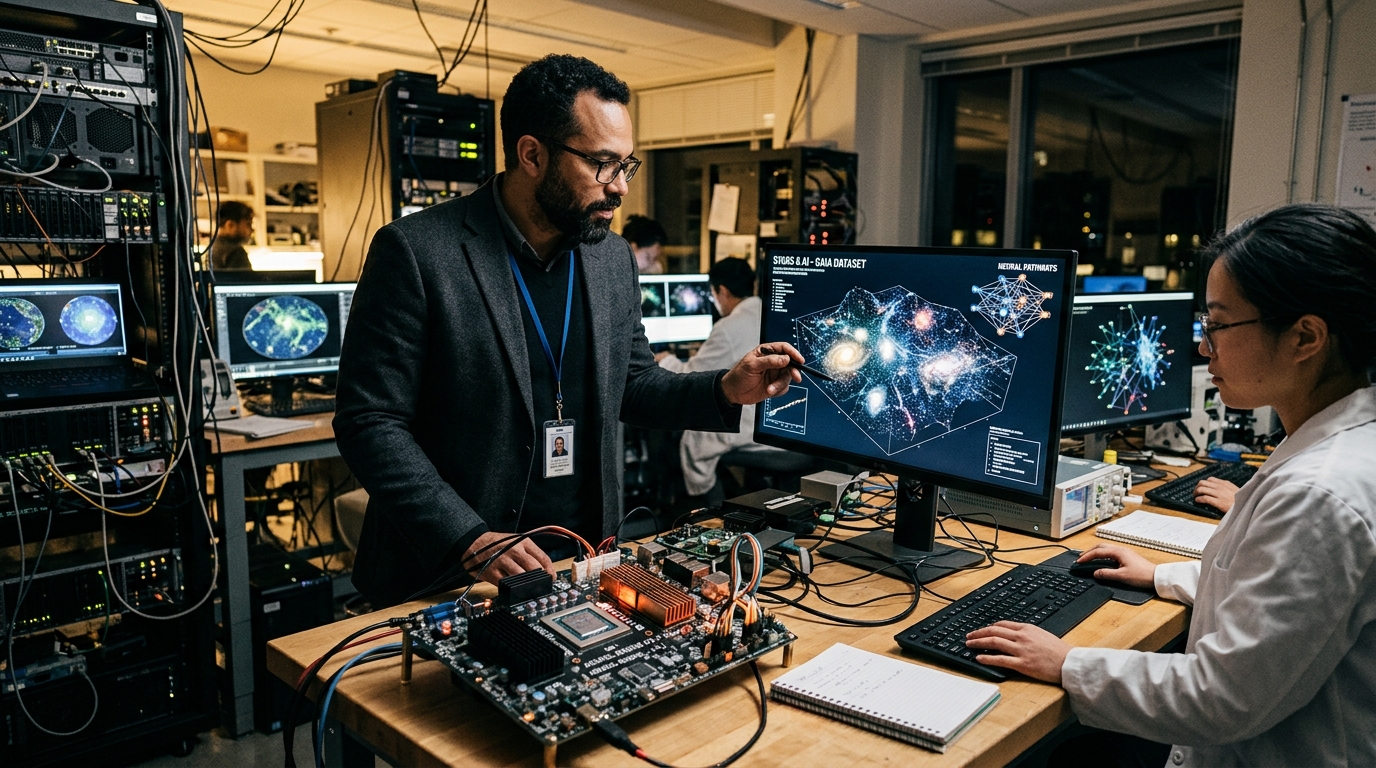
At Dartmouth, the conversation also centers on how AI will change the nature of research. While Claude 3.5 Sonnet can summarize hundreds of scientific papers in seconds, its capacity for original synthesis remains limited. Academics warn that AI can accelerate the writing process but cannot replace the 'curiosity' that leads to major scientific breakthroughs.
- AI as a teaching assistant: Personalized learning for every student.
- The risk of plagiarism: New detection tools and the need to redefine assessment.
- Research ethics: Using AI in data collection and analysis requires transparency.
In conclusion, while Claude 3.5 Sonnet is an impressive technological feat, Dartmouth professors remind us that technology is only as good as how we choose to use it. The challenge for the future is not just building more powerful models, but developing a framework that ensures AI serves human knowledge rather than the other way around.