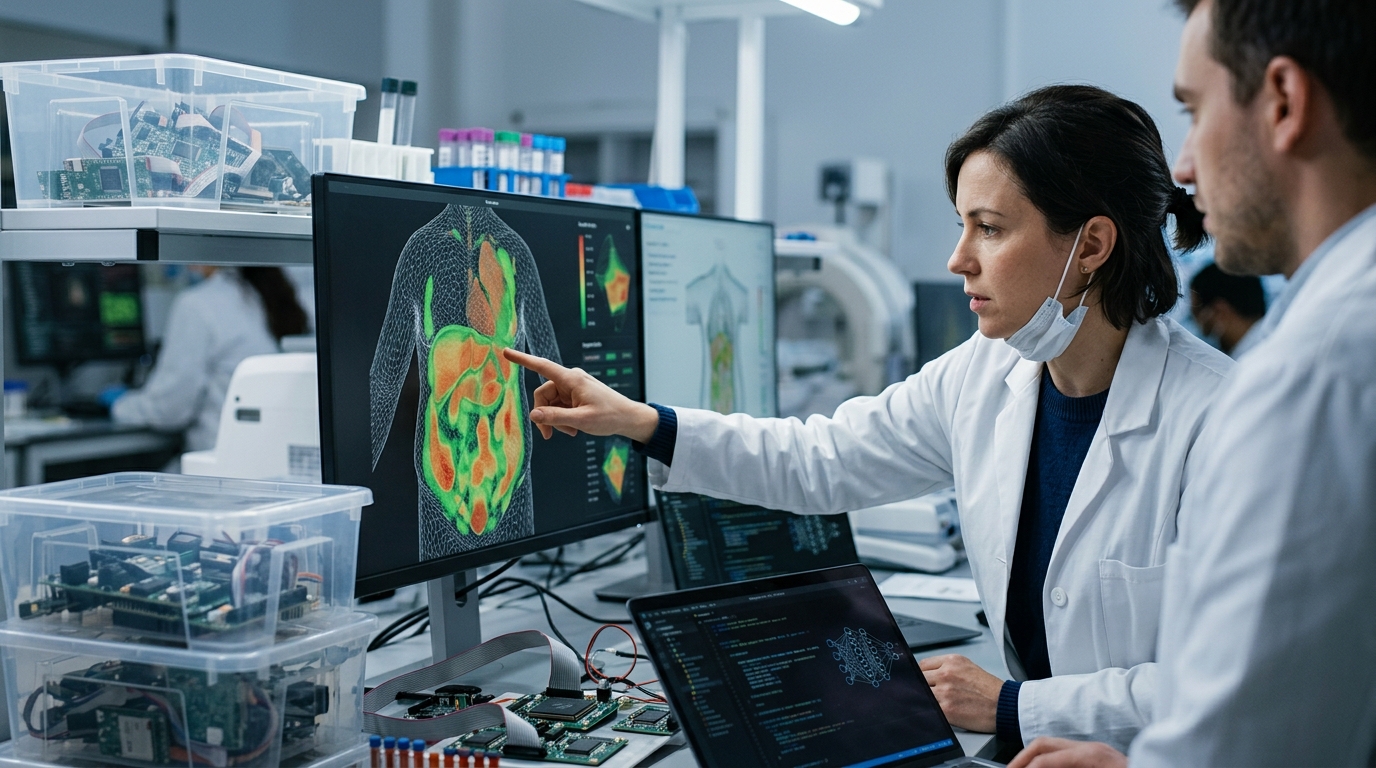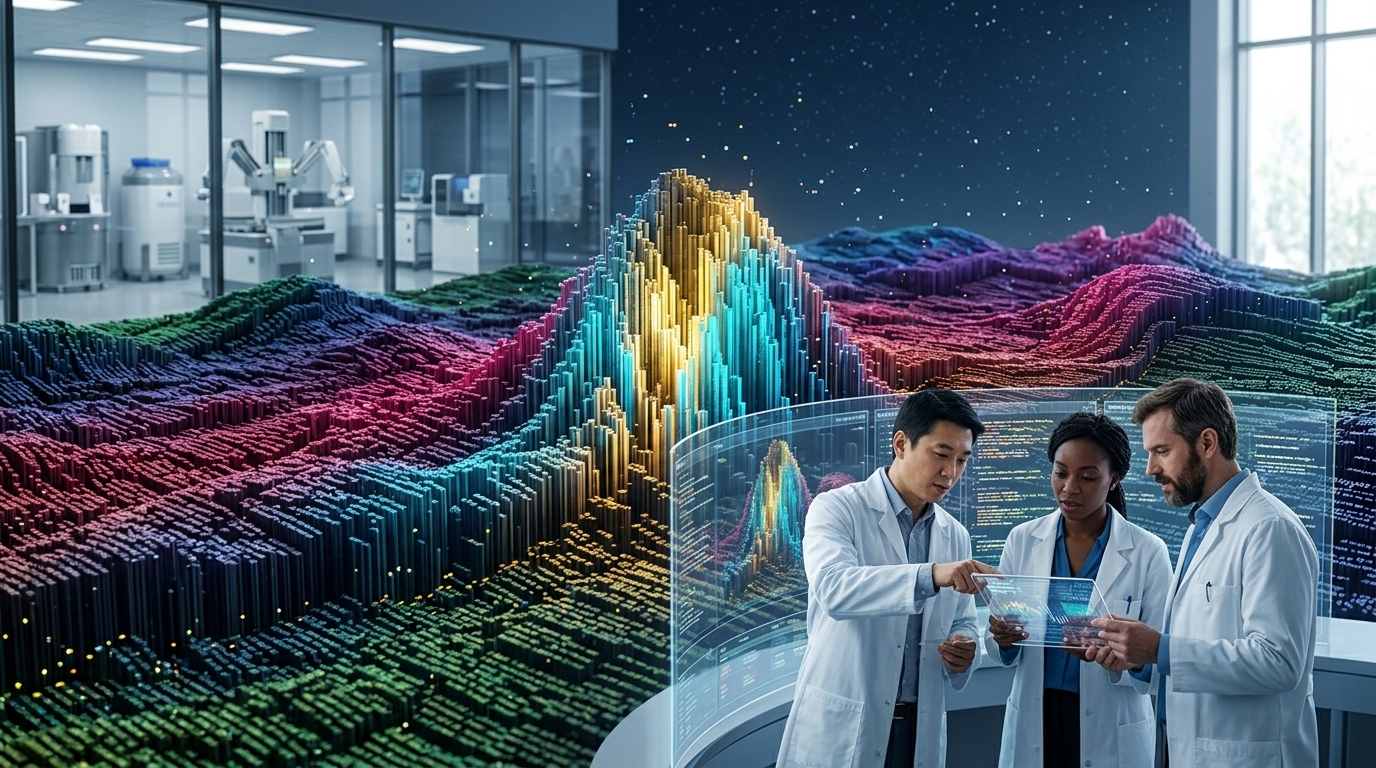
The history of artificial intelligence is often divided into two distinct eras: the age of theoretical promise and the age of practical application. Today, as we navigate the first half of 2026, Google Cloud’s AlphaEvolve stands as the definitive landmark of this transition. What began as a bold endeavor by DeepMind to automate the very discovery of algorithms (AutoML-Zero) has now matured into a comprehensive ecosystem solving some of humanity's most pressing challenges, from power grid optimization to the creation of novel materials for the green transition.
The Architecture of Digital Evolution
AlphaEvolve is not merely another large language model. It is a "meta-algorithm" grounded in the principles of Darwinian evolution designed to architect other algorithms. Rather than relying on human programmers to define every line of code or every neural network architecture, AlphaEvolve starts from basic mathematical operations and "evolves" solutions through countless iterations, selecting the most efficient survivors. This approach enables the discovery of mathematical structures that human intuition might have overlooked for decades.
The migration from a "research sandbox" to Google Cloud’s production infrastructure means these evolutionary capabilities are now available at scale. Enterprises and research institutions are no longer just purchasing raw compute power; they are buying access to an autonomous optimization process. The system’s ability to adapt to specific datasets and "spawn" specialized algorithms for niche problems is what makes it unique in the history of computing.
Real-World Applications Redefining Industries
In the realm of climate change, AlphaEvolve has already demonstrated its prowess. In the Mediterranean region, including Greece, the system is being deployed to manage the intermittency of renewable energy sources. By evolving predictive models that account for micro-climatic shifts, AlphaEvolve has successfully increased the efficiency of wind farms by 18% while simultaneously reducing the need for fossil-fuel-based backup units. This is no longer a pilot project; it is energy flowing into our cities.
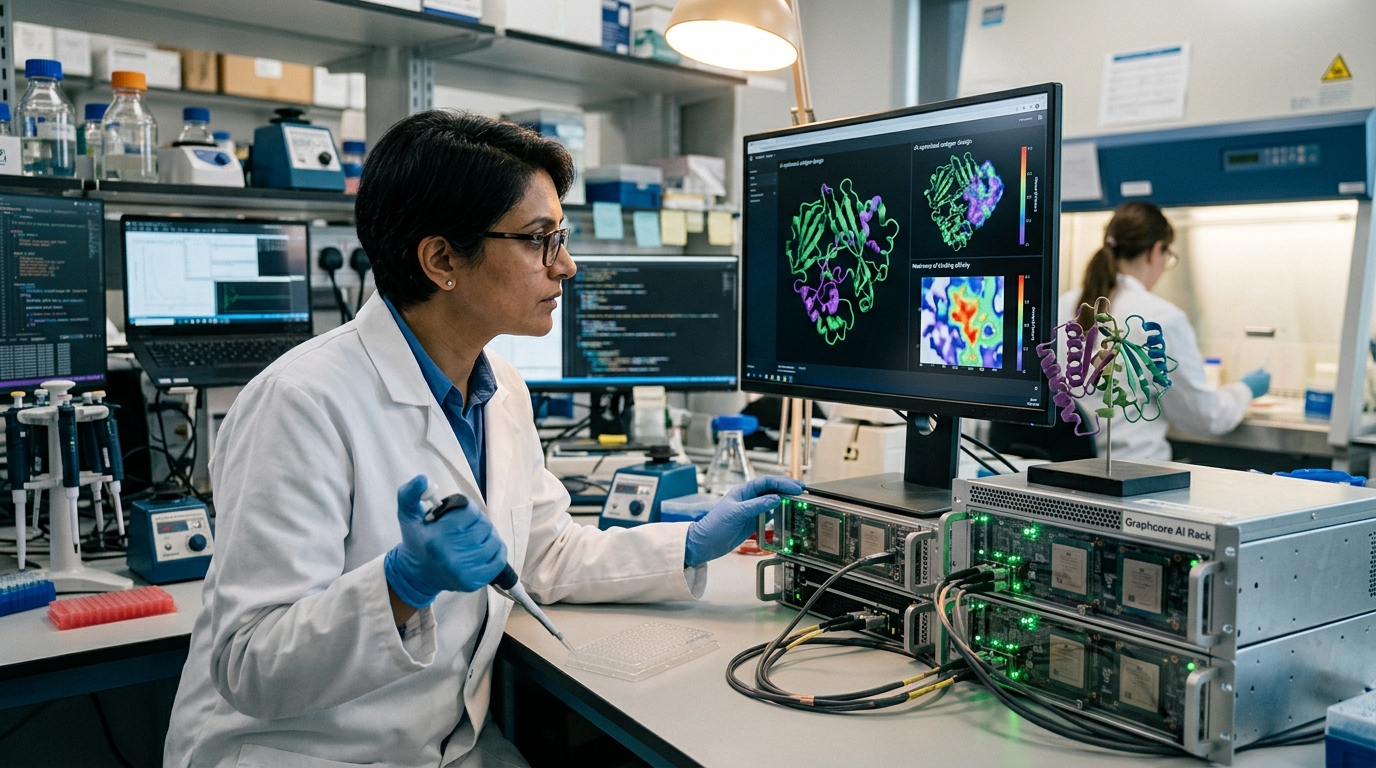
In biomedicine, the legacy of AlphaFold continues through AlphaEvolve, allowing for the rapid design of enzymes capable of breaking down plastics at room temperature. Researchers describe the problem parameters, and AlphaEvolve evolves the appropriate molecular algorithm to simulate the reaction, accelerating processes that previously required years of laboratory trial and error. The system's ability to bridge the gap between digital simulation and physical reality is the cornerstone of its success.
- Real-time supply chain optimization using evolved evolutionary algorithms.
- Discovery of new semiconductor materials that require significantly less power to operate.
- Personalized medicine through algorithms that adapt to an individual patient's genome.
- Autonomous Cloud infrastructure management to minimize the carbon footprint of data centers.
The Interpretability Challenge and the Path Ahead
Despite these triumphs, AlphaEvolve raises significant questions. As the algorithms it generates become increasingly complex, human scientists sometimes struggle to understand the "why" behind a specific solution. The "black box" challenge persists, but Google Cloud has invested heavily in Explainable AI (XAI) tools that attempt to translate the system’s evolutionary decisions into comprehensible mathematical concepts.
"We are no longer just using AI to analyze data. We are using it to invent the tools that will analyze the data of the future," states a senior Google Cloud executive.
Looking ahead, the integration of AlphaEvolve with quantum computing is expected to be the next quantum leap—pun intended. When the evolutionary power of the system meets the computational supremacy of quantum bits, problems we once deemed "unsolvable" (NP-hard) may find their answers in minutes. For now, AlphaEvolve remains the most potent evidence that AI has left the laboratory and is here to stay, assuming the role of the silent architect of the modern world.